Ever wonder why your skin sometimes looks shiny even when you're not sweating? Oily skin has its reasons, from the traits you inherit to the hormones that make your skin produce extra oil. Sure, too much shine can be a bit frustrating, but it also means your skin is working hard to keep itself hydrated. Our guide walks you through why your skin behaves this way and offers a simple routine to help balance the oil, leaving you with a fresher glow. Get ready to embrace your natural radiance with confidence.
Understanding Your Oily Skin: Key Causes and Signs

Oily skin shows up when your body makes too much oil, and a lot of times, it comes from your genes. Some people inherit larger oil glands and wider pores that push out more oil. It might surprise you to learn that the shiny look you see can actually be a family trait passed down through generations. While this extra oil helps with hydration, it can also lead to other skin issues.
Hormones also have a big say in how oily your skin gets. When you're going through puberty, menstruation, pregnancy, or even menopause, shifts in your hormones can make your skin produce more oil. And if you live in a warm, humid place, your skin might produce extra oil to help manage the heat and moisture. It’s like your skin’s own way of handling a hot day. Managing all this oil can feel like a constant balancing act.
You might see clear signs of oily skin, like a noticeable shine, especially in the T-zone (the forehead, nose, and chin). Bigger pores, blackheads, and even a few pimples can also show up. These signs tell you that while your skin is doing its job, it might need a bit of extra care to stay balanced. Recognizing these clues is the first step to calming your skin and feeling more confident about your natural glow.
Crafting a Daily Oil-Control Routine for Oily Skin

Oily Skin Morning Routine
Start your morning with a clear, simple routine that keeps unwanted shine away while honoring your skin's natural balance. Begin by washing your face with a lightweight, oil-free gel cleanser and lukewarm water, this step helps prevent extra oil from forming. Then, use a salicylic acid face wash; think of it as a gentle scrub that clears away dead skin and unclogs pores without taking away your skin’s moisture. After that, smooth on a light, non-comedogenic moisturizer that hydrates without blocking pores. Finally, seal your routine with a mattifying SPF to protect your skin from the sun and control shine all day. It’s like a mini reset every morning, giving you the confidence to face the day.
Oily Skin Evening Routine
In the evening, give your skin a fresh start by washing away the day’s buildup. Begin by removing any makeup or residue that could trap oil and impurities. Next, use the same gentle oil-free gel cleanser to deeply clean your skin without triggering more oil production. Follow up with a treatment serum, perhaps one with retinol, to help boost cell renewal and refine your pores. Wrap up your routine with an oil-free, non-comedogenic moisturizer that hydrates while letting your skin breathe overnight. This careful routine lets your skin rest and recover, so you wake up ready for a new day.
oily skin: Fresh Balance For Glowing Confidence
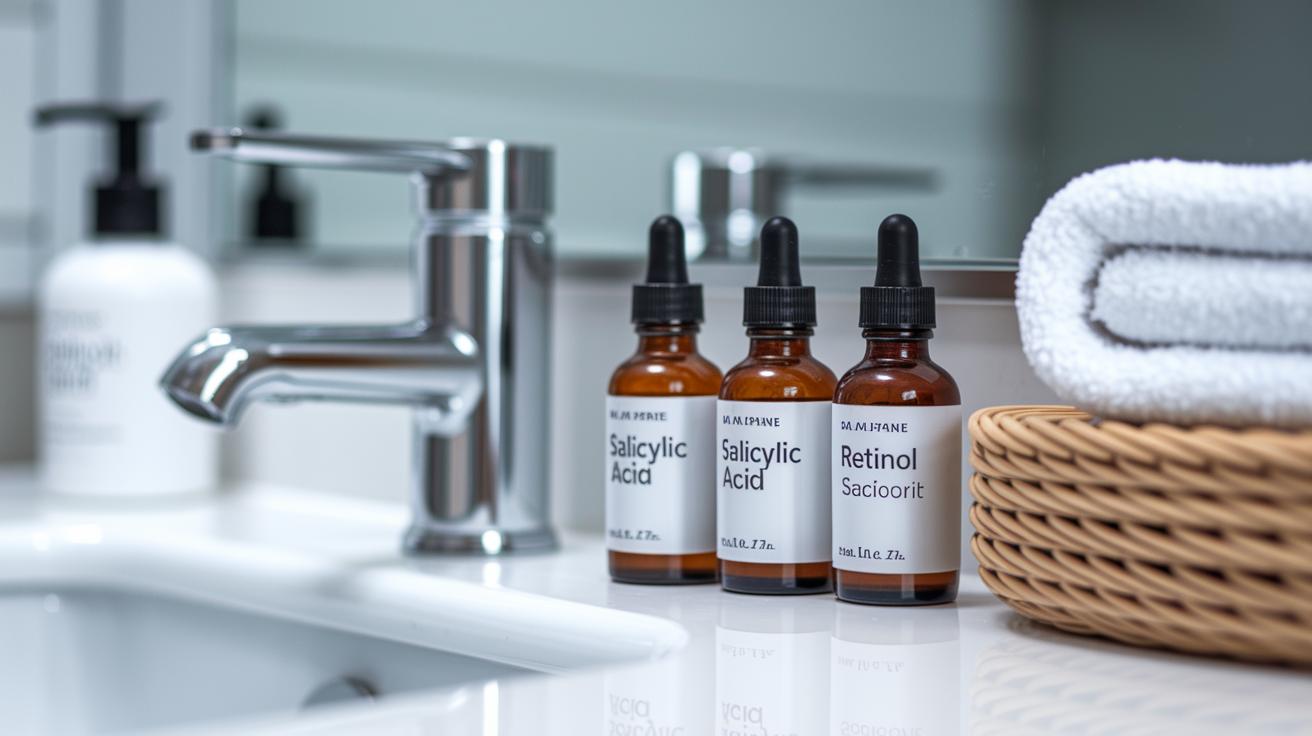
Managing oily skin means choosing the best ingredients and treatments to keep your skin calm and smooth. Many active ingredients work hard to clear away extra oil, unclog your pores, and even out your skin's texture. For instance, salicylic acid (a beta hydroxy solution) dives deep into your pores to dissolve oil and remove dead skin. And retinol in night creams helps your skin to renew itself while tightening your pores, reducing oil over time. If you need more help, professional chemical peels with salicylic, glycolic, or lactic acids offer gentle exfoliation under a doctor's care. In tougher cases, treatments like fractional CO₂ laser and microneedling (a procedure using tiny needles that boost collagen) can give your skin a lasting improvement.
| Ingredient | Formulation Type | Primary Benefit |
|---|---|---|
| Salicylic Acid | Beta Hydroxy Solution | Clears oil and removes dead skin |
| Retinol | Night Cream/Serum | Boosts cell renewal and tightens pores |
| Glycolic Acid | Chemical Peel | Exfoliates and refines skin texture |
| Lactic Acid | Exfoliant | Gently smooths skin and minimizes pores |
| Fractional CO₂ Laser | In-office Procedure | Stimulates collagen and refines texture |
If you're considering these treatments, have a chat with your board-certified dermatologist. They can help you customize a plan that works best for your skin and helps you achieve a balanced, refreshed look. Choosing dermatologist-approved options gives you safe and effective treatments to boost your skin's natural glow and overall health.
Lifestyle Tips and Home Strategies for Balancing Oily Skin

Changing your diet can really help manage oily skin. When you cut back on sugary and carb-heavy foods, you avoid insulin surges that often trigger extra oil production. Instead, try to enjoy more nourishing foods like leafy greens, lean proteins, and whole grains. These foods can help keep your skin’s natural oils in check.
Stress can also play a big role in your skin’s shine. When you’re constantly stressed, your body releases more cortisol, which can boost oil production. Taking a daily walk, doing some deep breathing, or spending a little time on a hobby you love can gently remind your body to relax, keeping your skin calmer.
Being smart about your workout routine can help too. Exercising in hot, humid spaces might leave your skin looking even oilier. So, if possible, choose an air-conditioned gym or work out in the cool of the morning. Washing your face with a gentle cleanser before and after exercise is a simple way to remove sweat and dirt. These small changes can make all the difference, leaving your skin fresh and glowing.
oily skin: Fresh Balance For Glowing Confidence

Finding the right makeup routine for oily skin can be a real game changer. Start with an oil-free primer that smooths your skin and controls shine all day, kind of like setting a perfect base for your look. Then, dab on a light concealer to hide little spots while keeping things fresh.
Next, use a water-based foundation so your skin can breathe without clogging pores. And when you're on the go, a quick press with oil blotting sheets can keep your T-zone in check, offering instant relief where you need it most. A final touch of setting powder locks everything in place, while an SPF moisturizer made for oily skin protects you from the sun’s harsh rays and keeps your look vibrant.
Each product is picked to work hand-in-hand with your skin, so you feel confident and comfortable all day long. Whether you're heading to work or out for a fun night, these simple steps help you maintain a natural, matte glow and let your true beauty shine through.
Final Words
In the action, we've examined what causes oily skin, from natural sebum production and hormonal changes to environmental effects. We broke down practical daily routines, explained powerful ingredients, and discussed professional treatments that help balance your skin.
We also shared simple lifestyle tips and makeup solutions to control shine. Each part of the post offers clear advice so you can manage oily skin safely. With reliable, science-based insights, your choices become clearer and your skin feels better. Enjoy a confident look every day.
FAQ
Oily skin products
Oily skin products mean cleansers, moisturizers, and makeup created to balance excess oil and shine. They help soothe skin while keeping pores clear and skin feeling refreshed.
How to remove oily skin naturally
How to remove oily skin naturally involves using gentle cleansers, natural astringents, and ingredients like diluted apple cider vinegar. These steps help reduce shine and maintain skin comfort.
Oily skin treatment
Oily skin treatment refers to routines that combine proper cleansing, targeted active ingredients such as salicylic acid, and lifestyle tweaks. This approach works to control oil without stripping skin’s moisture.
What causes oily skin in females
What causes oily skin in females includes hormonal shifts during puberty, menstruation, pregnancy, or menopause. Genetics and weather conditions also influence oil production, causing increased shine.
Medication for oily skin
Medication for oily skin means using doctor-prescribed treatments like topical retinoids or antibiotic creams. These help normalize cell turnover, reduce inflammation, and manage excess oil effectively.
Oily skin diet
Oily skin diet involves eating fewer sugars and refined carbs while including foods rich in vitamins and antioxidants. This dietary approach may help regulate oil production and promote clearer skin.
Oily skin benefits
Oily skin benefits mean that natural oils can protect against dryness and external irritants. Yet, thoughtful care is needed since too much oil can sometimes lead to breakouts or shine issues.
What causes oily skin in males
What causes oily skin in males involves genetics and hormonal influences. Environmental factors like heat and humidity further increase oil production, often making male skin appear glossier throughout the day.
How do I stop my face from being so oily?
How do I stop my face from being so oily suggests adopting a gentle cleansing routine, using oil-free moisturizers, and regular exfoliation. These steps help manage shine and maintain balanced skin.
What is the main cause of oily skin?
What is the main cause of oily skin revolves around genetics that influence large skin glands producing more sebum, with additional triggers like heat and humidity boosting oil production.
Is having oily skin good or bad?
Is having oily skin good or bad means it has upsides like added moisture protection, though excess oil may cause shine and breakouts. Managing oil levels fosters a balanced, healthy appearance.
What deficiency causes oily skin?
What deficiency causes oily skin points to possible nutrient imbalances, such as low vitamin A, influencing oil production. Still, genetics and hormones tend to be the primary drivers of skin type.


