Have you ever thought that your oily skin might actually be a hidden asset? Even though too much oil can be a bit of a nuisance, it might also help soften the look of fine lines.
In this post, we share simple, practical steps to keep your skin balanced and glowing. We explain what can cause extra oil and show how everyday habits can help your skin feel clear and comfortable.
Take a look, caring for oily skin is all about finding the right balance instead of just trying to fight shine.
Oily skin: Effortless care for glowing balance
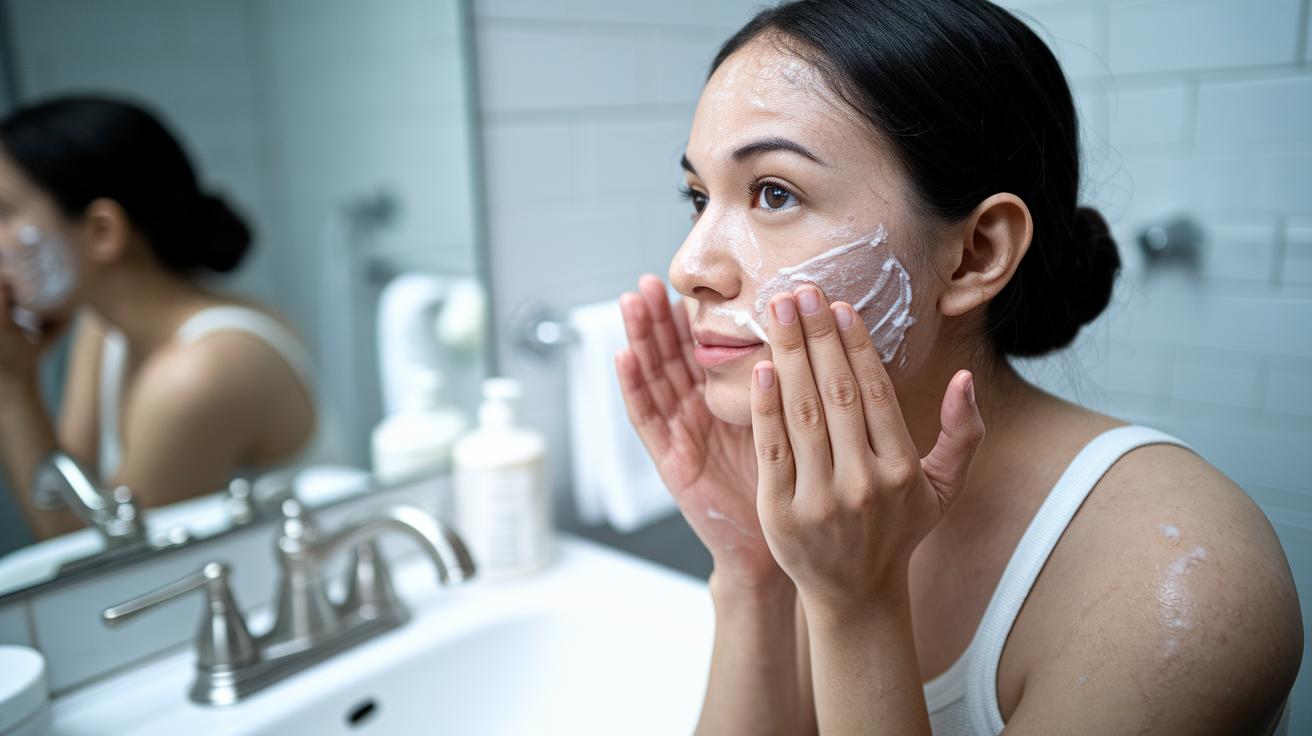
Oily skin happens when your skin's natural glands make more oil than usual. This extra oil gives your skin a shiny look, especially in the T-zone (the forehead, nose, and chin). The extra oil can mix with dead skin cells, sometimes causing clogged pores and blemishes. Oddly enough, that same oil may help delay the early signs of fine lines, almost like a natural cushion against wrinkles.
If you notice bigger pores, blackheads, whiteheads, a rough texture, or tiny bumps, you might be dealing with oily skin. It often feels greasy or looks shiny all day long, which is a good cue to adjust your routine.
A mix of things can cause oily skin. Your genetics might mean oily skin runs in your family. Shifts in hormones, during puberty, menstruation, pregnancy, or menopause, and high testosterone in men can also boost oil production. Even the weather, like hot and humid days, or stress, which raises cortisol levels, might make your skin produce more oil.
Managing oily skin takes a steady routine. Start with non-comedogenic, oil-free products that won’t block your pores. Use a gentle cleanser with lukewarm water and mild, fragrance-free soap to clean your face without stripping away too much. Over time, look for products with ingredients like salicylic acid that help control excess oil. Stick to a regular skincare routine, tweak it with the seasons, and keep an eye on your diet to maintain a balanced, glowing complexion.
Daily Skincare Routine for Oily Skin

Begin your morning by gently cleansing your face with a fragrance-free, oil-free cleanser and lukewarm water. This keeps extra oil and dirt away without stripping the skin’s natural barrier. Use a soft, light touch, no need for hard scrubbing or hot water. Interestingly, even a small change in water temperature can impact oil production, much like a cool breeze soothing an overheated engine.
If you wear makeup or sunscreen, double-cleansing really comes into play. Start with an oil-based cleanser to dissolve makeup and stubborn residues, then follow up with a salicylic acid or gentle gel cleanser that dives deep into your pores. Afterward, use a non-comedogenic toner with salicylic acid to gently exfoliate inside the pores and keep them clear.
For hydration, choose a lightweight, oil-free gel or water-based moisturizer. It delivers essential moisture without adding extra shine. And in the morning, always finish with a broad-spectrum SPF 30+ sunscreen to protect your skin from harmful rays.
At night, mix things up by adding a retinol cream or a niacinamide serum after cleansing and toning. These products support cell turnover and help balance oil production while you sleep. Stick to these simple steps, and over time you’ll enjoy healthier skin with a balanced, natural glow.
Choosing the Best Cleansers and Face Washes for Oily Skin

Finding the right cleanser for oily skin is all about balancing effective cleaning with gentle care. You want a product that washes away extra oil and dirt without stripping your skin of its natural moisture. Look for labels that say non-comedogenic and pH balanced because these formulas clean deep inside without clogging your pores.
Keep an eye out for ingredients like salicylic acid. Cleansers with 0.5% to 2% salicylic acid work by gently getting into your pores, helping to remove dead cells and clear out blockages that can lead to breakouts. It’s a bit like giving your skin a gentle, thoughtful massage.
Lightweight gel or foam cleansers are often the best choice for oily skin. They leave your face feeling fresh without that tight, stripped feeling. And if you choose fragrance-free and alcohol-free options, you'll lower the chances of irritation. Some cleansers even add niacinamide to soothe redness and help control oil. Others include glycolic acid or clay ingredients for a light exfoliation that helps keep your skin shine-free.
Here’s a simple table to compare some top-rated options. For example, if deep cleaning and unclogging pores is your main goal, a cleanser with 2% salicylic acid might be just right. But if calmed, evenly toned skin is what you need, a formula with niacinamide could be the better pick.
| Product Name | Active Ingredient | Skin Benefit | Price Range |
|---|---|---|---|
| Salicylic Foaming Gel | 2% Salicylic Acid | Deep exfoliation, pore decongestion | $15–$25 |
| Oil-Free Gel Cleanser | Niacinamide | Sebum regulation, redness reduction | $20–$30 |
| Daily Purifying Cleanser | Glycolic Acid 5% | Light chemical exfoliation | $18–$28 |
| Gentle Clay Wash | Kaolin Clay | Oil absorption, matte finish | $12–$22 |
| Micellar Mattifying Wash | Charcoal + Zinc PCA | Impurity draw, antibacterial effect | $16–$26 |
Handling Moisturization and Hydration in Oily Skin Care
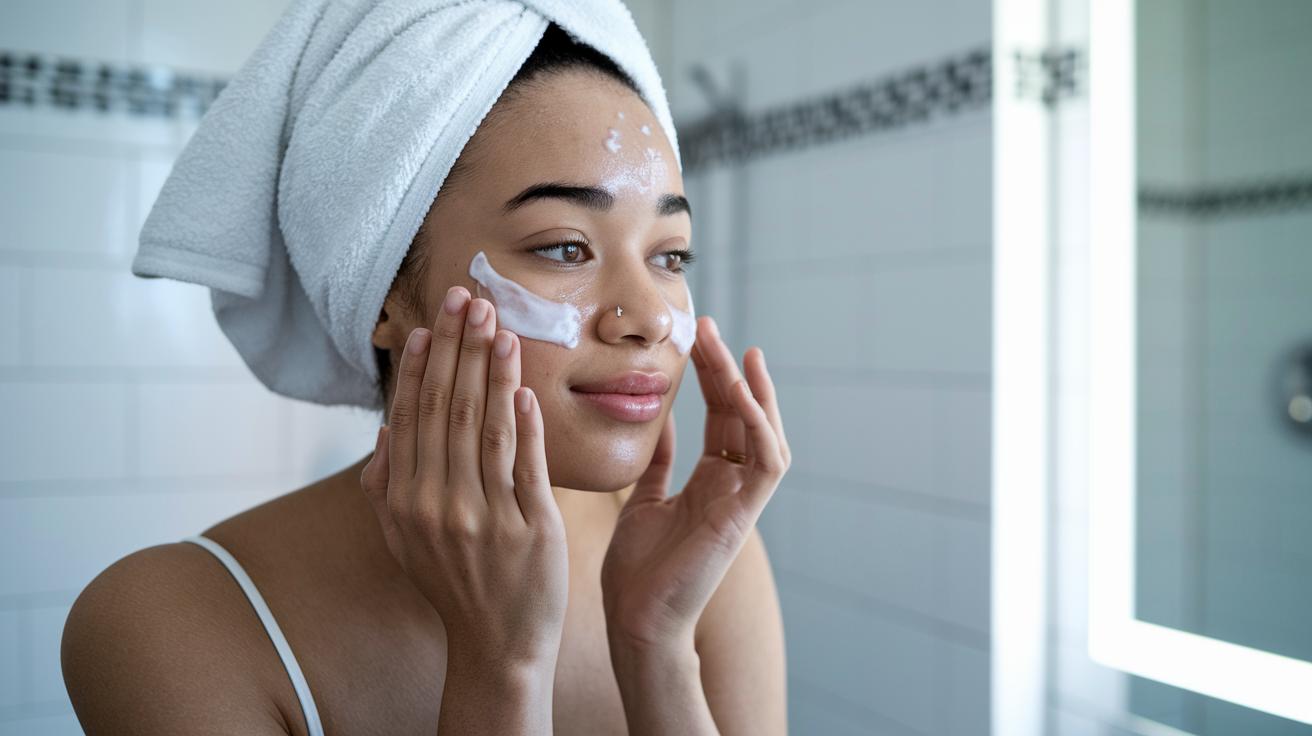
Keeping oily skin in check starts with proper hydration. When your skin gets the right amount of moisture, it helps prevent those pesky sebaceous glands from cranking out extra oil. The trick is to choose products that hydrate without making your skin look shiny.
Think about using gel- or water-based moisturizers packed with ingredients like glycerin, hyaluronic acid, or ceramides. These act like a light, breathable shield for your skin. Imagine spritzing on a cool, refreshing mist after washing your face, that’s a simple hydration boost that leaves your skin soft and balanced, not greasy. Avoid heavy creams because they can feel too rich on oily skin. Instead, look for oil-free, non-comedogenic products that won’t clog your pores.
Also, remember to drink plenty of water throughout the day. It’s like giving your skin the hydration it needs from the inside out. Many people now swear by layering lightweight products for a clear, balanced look, a technique inspired by the popular glass skin trend.
Stick to a regular routine and let proper hydration transform your skin’s appearance and balance.
Targeted Treatments and Key Ingredients for Sebum Control

Using the right active ingredients can really help manage oily skin and balance your skin’s natural oil. One popular option is salicylic acid, a beta hydroxy acid that gently exfoliates inside your pores. It works by clearing away dead cells and reducing blackheads so your skin can breathe more easily. If you’re trying a product with 0.5–2% salicylic acid, start using it a few times a week and let your skin adjust gradually.
Retinol, usually found in concentrations from 0.25% to 1%, gives your skin a boost by speeding up cell turnover. This helps to lessen the look of large pores by encouraging old cells to shed off, which in turn reduces oil build-up. Since retinol can make your skin a bit more sensitive to the sun, it’s best used in the evening. And don’t forget to follow it with a moisturizer to keep your skin feeling comfy.
Niacinamide, present at levels of 2–5%, is another gentle option that can help lower sebum production and soothe inflammation. Regular use, whether in a serum or mixed into your moisturizer, can gradually make your skin’s barrier look and feel more balanced.
Benzoyl peroxide in the 2.5–5% range is effective at targeting acne-causing bacteria. Since it has a drying effect, it’s smart to use a hydrating product alongside it to keep your skin from feeling too parched.
For a deeper clean, professional chemical peels using glycolic or lactic acid can do wonders. These peels work by penetrating deeper into the skin to remove excess oil and dead cells. It’s best to have these treatments done under the careful guidance of a skincare professional, so you can safely add them to your routine.
Clay Masks, Charcoal Treatments, and Natural Remedies for Oily Skin
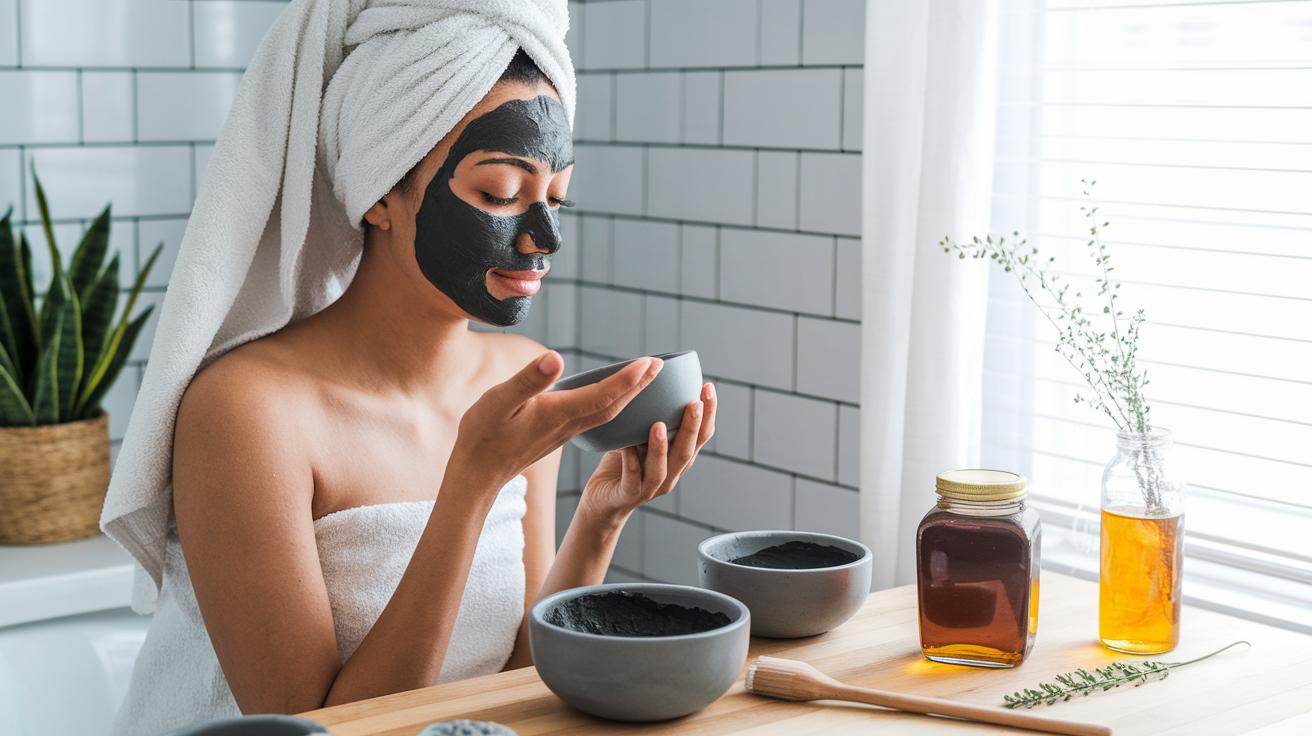
Nature gives us simple, natural ways to balance oil production and calm irritated skin. Think of a clay mask with kaolin or bentonite clay as a gentle sponge, it soaks up extra oil and helps ease redness. It almost feels like a soft, cooling compress on your face.
Activated charcoal is another favorite. It pulls impurities, lingering makeup, and sebum from your pores, leaving your skin looking clear and refreshed. These options are great if you’re after solutions without harsh chemicals.
Witch hazel works as a natural astringent, tightening pores and giving your skin a smoother look. And then there’s green tea, packed with natural antioxidants that help control oil and soothe irritation. Raw honey, too, lends a hand by fighting bacteria while offering gentle moisture.
Here are some natural treatments to try once or twice a week:
- Dab a witch hazel toner on a cotton pad after you clean your face.
- Mix crushed green tea leaves with aloe vera for a do-it-yourself mask.
- Apply raw honey on spots for about 10 minutes.
- Use an oatmeal and yogurt scrub for soft, gently exfoliated skin.
- Alternate between clay and charcoal masks during your weekly routine.
Makeup and Shine-Control Tips for Oily Complexions
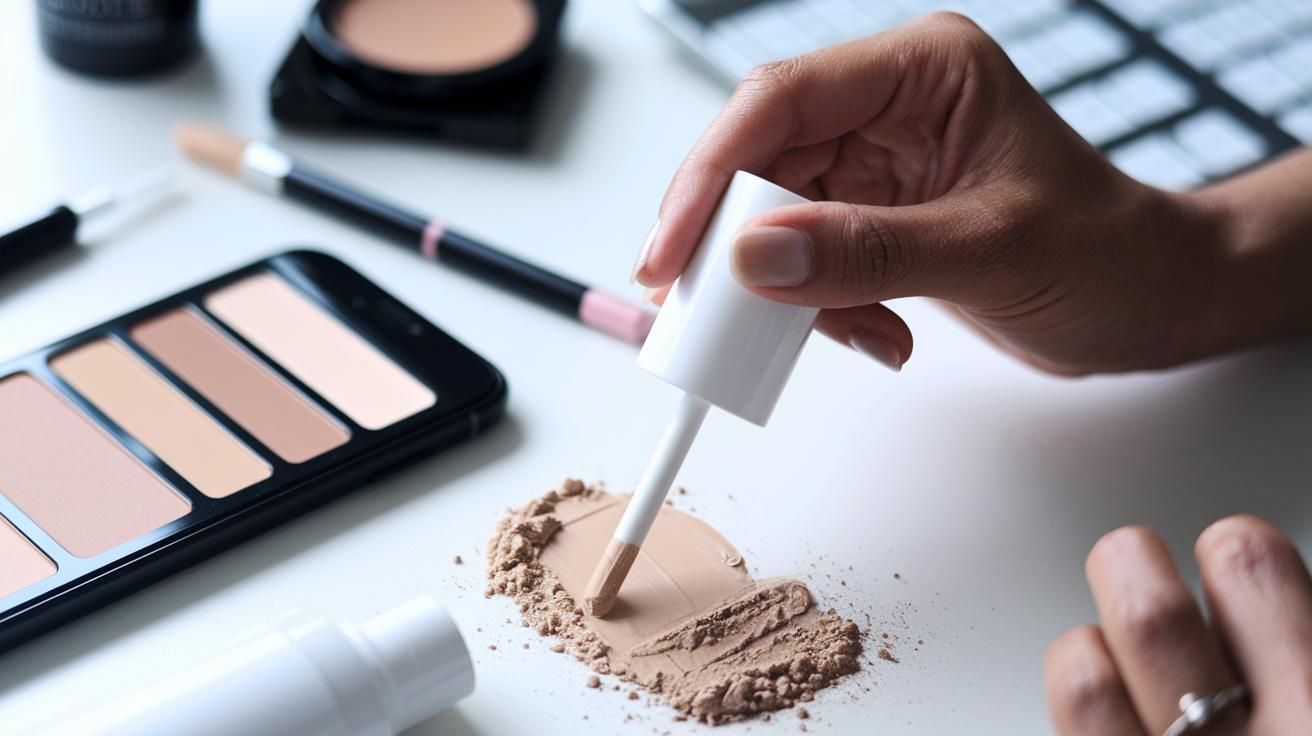
Start with an oil-free, silicone based primer to set the stage. It smooths out your skin and hides pores while keeping shine at bay. Think of it like priming a canvas before painting your masterpiece.
Next, choose a mineral or powder foundation that mutes shine as the day goes on. This kind evens your skin tone and keeps that unwanted glimmer hidden. It’s like a light touch of magic for your look.
For a fresh, breathable finish, go with a non-comedogenic tinted moisturizer or BB cream. These products let your skin breathe while adding just a hint of color. Imagine the feeling is as refreshing as a cool breeze on a sunny day.
When you need a quick pick-me-up, use blotting papers or a matte powder. Picture it like dabbing a fogged-up window with a soft cloth, it clears away excess oil for a crisp, clean view.
Finally, seal everything in with a setting or mattifying spray. This step locks your look in place, keeping your makeup shine-free all day long and lowering the chance of breakouts.
Lifestyle Factors and Diet’s Role in Managing Oily Skin

When you eat foods that spike your blood sugar, like sugary snacks or processed carbs, your insulin levels rise quickly. That surge tells your skin to pump out extra oil, much like a car engine revving too high. Instead, try switching to whole grains and fresh fruits to help keep your skin's oil in check.
Staying well-hydrated is also key. Drinking plenty of water keeps your skin refreshed and stops it from overcompensating with extra oil. It’s like giving your skin a nice, steady drink throughout the day. And if you're curious for more hydration tips, check out this guide: https://medsfax.com?p=1986.
Stress plays a big part, too. When you're stressed, your body releases cortisol, which can kick your oil glands into overdrive. Taking a walk, doing some deep breathing, or just savoring a quiet moment might help you feel better and keep your skin calm.
Hormonal shifts during puberty, menstrual cycles, pregnancy, and menopause can also boost oil production. Plus, hot and humid weather can amp things up even more. A small adjustment in your skincare routine during these times can help maintain a clear, balanced look.
Professional Advice and When to Seek Dermatological Treatment

Sometimes your usual skincare routine just doesn't cut it anymore. If over-the-counter products stop calming your persistent breakouts or controlling excessive oil, it may be time to chat with a dermatologist. They can check if a deeper clean, like a medical-grade facial using salicylic or glycolic peels, might be what your skin needs, kind of like giving your skin a concentrated power wash.
Dermatologists often suggest prescription treatments that can really help. For example, they might recommend retinoids, like tretinoin, which work to reduce oil and refine your pores when used under careful guidance. And in cases that are stubborn, a low dose of isotretinoin could be an option. These treatments can be a game changer when home remedies just aren’t enough.
Your skin doctor can also build a plan that mixes these prescription treatments with professional services. They may look at factors like your lifestyle and see if changing small habits could help control oil production. If you’re frustrated with ongoing skin issues, it’s wise to get expert advice sooner rather than later.
Final Words
In the action, this article brought together key insights on managing oily skin, from understanding its causes and signs to choosing smart cleansing, moisturization, and targeted treatments. We explained daily routines, makeup tips, natural remedies, and how lifestyle choices impact sebum control. Steps for when to seek professional care were also covered. With these clear, patient-centered strategies, taking control of oily skin feels practical and empowering for a confident, refreshed look.


