Have you ever noticed how sticking to a treatment plan can be really challenging? Many patients miss doses or take their medicine the wrong way, which can sometimes lead to major health setbacks.
Imagine if we could find simple ways to support patients in following their schedules better. Research shows almost half of patients struggle with this, but by adding a few practical tips, we can help make treatment plans easier to manage and keep everyone on track.
Understanding Patient Adherence and Its Impact

When you stick to your treatment plan exactly as your doctor has outlined, that's called patient adherence. If you skip doses or take your medicine in a different way, that's known as non-adherence. This can be dangerous. For instance, missing your high blood pressure medication might suddenly send your blood pressure soaring, which can lead to serious problems.
Doctors and researchers check how well patients are following their plans using a few simple techniques. They might count the pills left in your bottle, look at your pharmacy refill records, or simply ask you how you're doing. One study even showed that nearly half of the patients were not taking their pills correctly, which is very concerning.
Here are some of the big issues linked to not following treatment plans properly:
| Impact | Description |
|---|---|
| Higher Death Rates and More Complications | When patients miss doses, it can lead to severe health issues. |
| More Visits to the Emergency Room | Patients may end up in the hospital more often because of preventable issues. |
| Huge Costs for Healthcare | Non-adherence results in billions of dollars in extra spending. |
| Worsening Chronic Illnesses | Skipping medicine makes ongoing conditions harder to manage. |
| Lower Quality of Life | Not taking your medication can make everyday life much tougher. |
When people don’t take their medicine properly, it doesn’t just hurt them, it puts a strain on the whole healthcare system. Hospitals get busier with cases that, in many instances, could have been prevented. By working on ways to help patients stick to their treatment plans, we can improve health outcomes and reduce these high costs. It’s all about accurate monitoring and that extra bit of patient support on a day-to-day basis.
Major Barriers to Patient Adherence
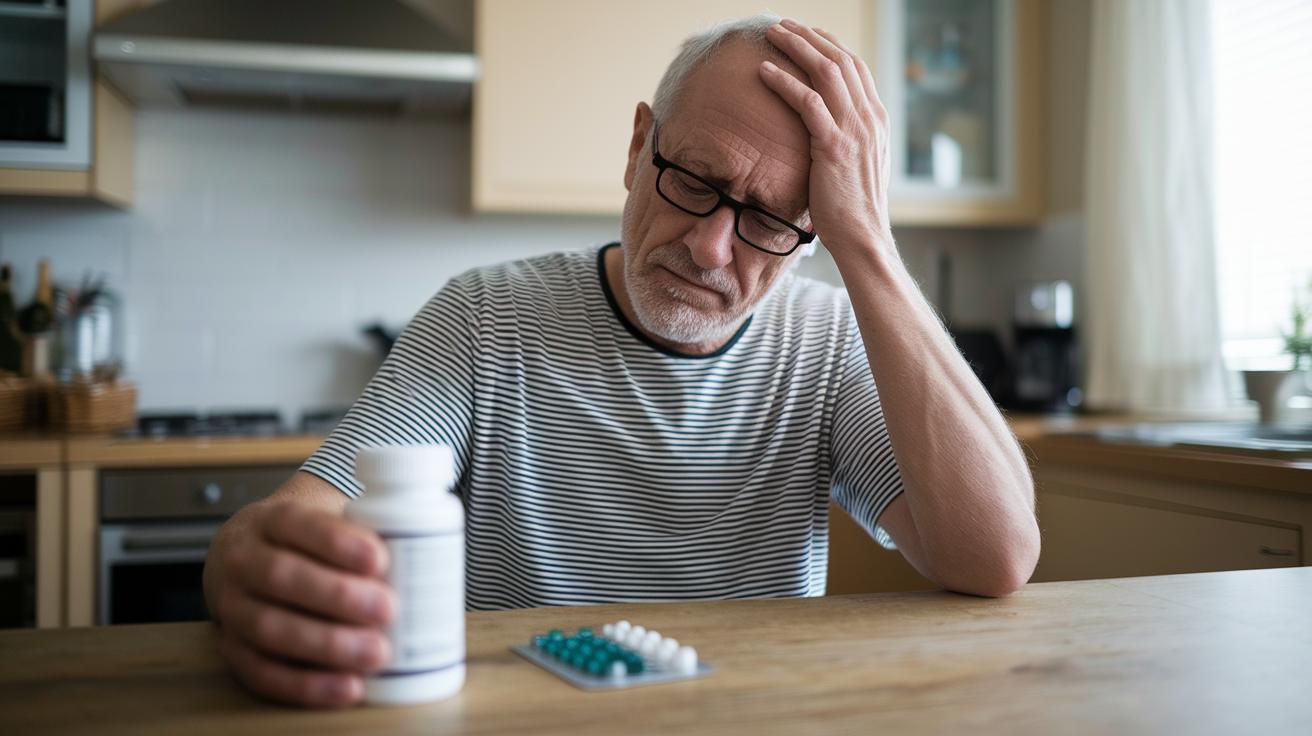
It can be really hard for patients to stick to their medication plans. Often, the challenges begin with the cost and access to treatments. High copays and the lack of insurance make it difficult for many people to start or keep up with therapy, especially older adults and busy caregivers who already have a lot to manage.
- High out-of-pocket costs and gaps in insurance.
- Complicated dosing schedules and instructions that aren’t clear.
- Unpleasant side effects and worries about bad reactions.
- Limited access to pharmacies and delays with mail orders.
- Memory problems, depression, or simply not wanting to face the issue.
- Low health literacy and communication problems.
When these obstacles stack up, managing chronic conditions gets even tougher. Facing several issues at once can make it hard to stick to a treatment plan, which might lead to worsening health. Skipping doses or not handling medications properly can increase the chance of complications, more hospital visits, and a drop in overall quality of life. All of these effects not only hurt the patient but also add strain to our healthcare system by turning preventable problems into costly emergencies.
Evidence-Based Strategies to Boost Patient Adherence

Studies show that both in-person talks and other kinds of support can really help patients stick with their medication routines. For example, when patients meet face-to-face, the results are impressive. In trials involving diabetes and heart care, overall success hit 56%. Face-to-face sessions even reached 83%, while helping patients at discharge and during clinic visits came in at 67% and 47% respectively. And yes, even a friendly phone call can work, with a 38% success rate, highlighting how important direct communication is.
Electronic tools make a big difference too. Automated calls and electronic pill boxes have reached a 67% success rate, well above the old paper-based methods that only hit 33%. These technologies give clear, timely reminders, kind of like a gentle nudge from your phone, so you never miss a dose, even when your schedule gets hectic.
Bringing together different strategies tends to yield the best results. By mixing personalized counseling with digital reminders and smart packaging, you create a sturdy support system. This blended approach not only tackles the many reasons for missed doses but also builds a daily routine that helps patients feel in control of their health.
Leveraging Digital Tools to Improve Patient Adherence

Using trusted digital tools, new AI systems can now quickly spot patients who might need extra help by looking at real-time data. Imagine a system that notices when a dose might be missed and sends a friendly reminder like, "It’s time for your dose!"
Apps on your phone offer gentle prompts at the right times, and smart pill dispensers even record when you take your medicine. With remote monitoring, doctors can see real-time dosing information in your records, so they can adjust your treatment right away if needed.
Plus, these advanced AI platforms bring everything together with adaptive, personalized reminders that fit your daily routine, making your therapy plan smoother and easier to follow.
Enhancing Patient Adherence through Provider Communication

Building trust starts with a blame-free conversation. When patients feel safe discussing their challenges, they’re more likely to mention missed doses and other issues. A genuine, caring ear makes all the difference, think of a doctor saying, "We all hit bumps in the road; let’s work together to get you back on track." That kind of empathy sets the stage for better treatment adherence.
Motivational interviewing is key to opening up these talks. It’s about asking patients how they feel about their treatment, gently uncovering any hurdles, and inviting them to suggest solutions. This friendly chat can reveal hidden concerns, like a fear of side effects or a complicated dosing plan. Asking questions such as, "What do you think might help you stick with your treatment?" encourages self-reflection and builds a real sense of commitment.
Working together to set goals empowers patients even more. When doctors and patients figure out small, realistic targets side by side, it creates a true partnership. This shared decision-making helps patients feel more in control of their care, leading to a steady routine and improved adherence.
Measuring Patient Adherence: Tools and Metrics
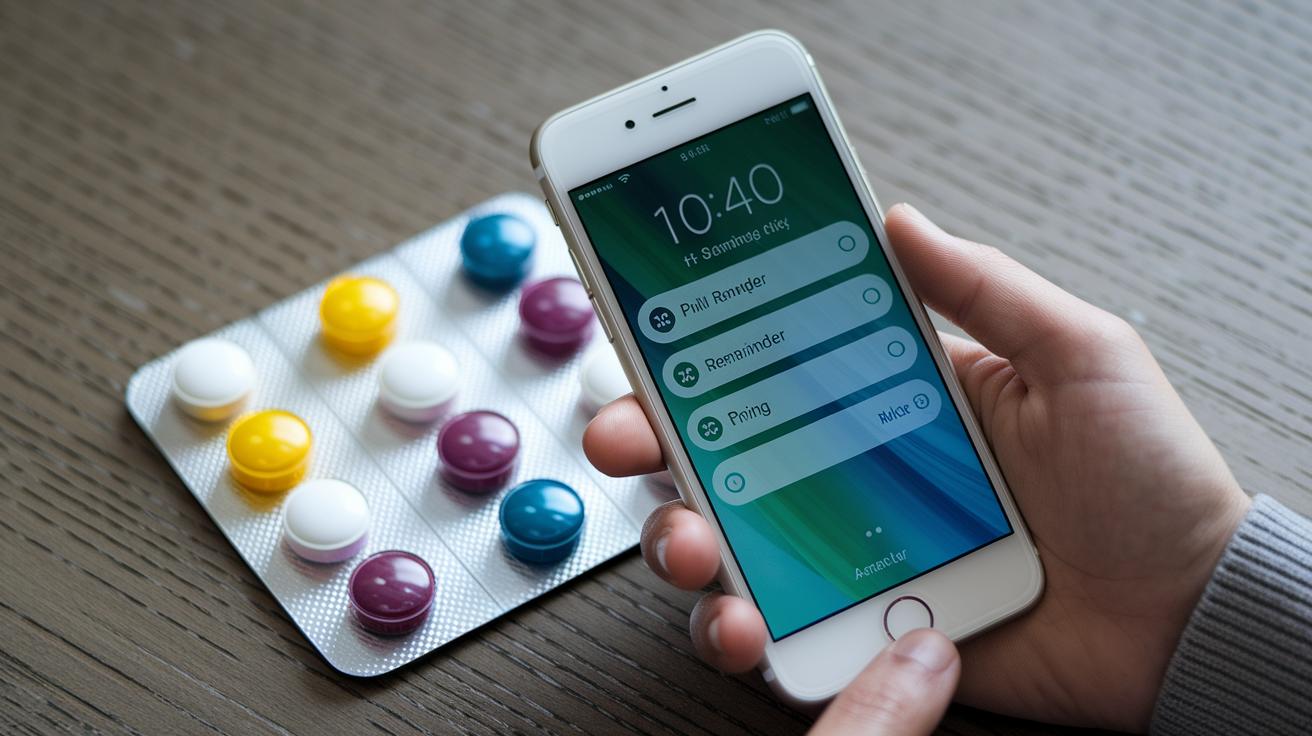
Doctors have long checked if patients follow their medication plans by counting pills, reviewing pharmacy refill records, or using digital devices. For example, if a doctor counts the remaining pills during a visit, it can show if any doses were missed, almost like marking a countdown.
Self-monitoring apps and simple checklists add extra help during these checks. Mobile apps remind you every day and log each time you take a pill, almost like having a friendly digital coach. These checklists work by scoring how well you stick to your schedule. You might see a note like, "Time for your dose, stay on track!" which helps both patients and doctors see real-time progress.
New AI-powered tools also play a part by looking over digital records for early signs of missed doses. They watch data trends as they happen and alert the care team if your routine starts to slip. A typical alert might say, "Noticed a pattern of missed doses; let's follow up," which opens the door for immediate, personalized support.
Case Studies Highlighting Patient Adherence Success

A recent clinical trial tested a new way to help patients stick with their statin medications. In this study, both doctors and patients received financial rewards when patients adhered to their medication routines. As a result, about 39% of patients in the reward group consistently took their medicine compared to only 27% in the group without the extra support (P < .001). This group also saw a greater drop in LDL-C, with levels falling to 33.6 versus 25.1 (P = .002). On top of that, nearly half (49%) of these patients reached their cholesterol goals, compared to 36% in the control group (P = .003), and they had more adjustments to their medications (38% vs 27%, P = .004) during the 15-month period.
Another study focused on people with diabetes and heart issues. It compared face-to-face support with digital tools like automated calls and smart pill dispensers. Direct interactions, especially soon after hospital discharge or at clinic visits, offered personal conversations and immediate problem-solving that helped boost adherence. While the electronic methods did offer useful reminders and continuous feedback, their success rate was just a bit lower than the personal approach. Have you ever wondered how a simple conversation can make a big difference?
These findings show that using a mix of personal care, technology, and even financial rewards can really help patients stick to their treatments. When you blend hands-on support with modern reminders, you create a flexible program that not only supports health goals but also works to improve long-term care outcomes.
Final Words
In the action, this post explained how patient adherence is measured and why it matters for safe, effective treatments. It covered how clear communication, modern digital tools, and realistic strategies can boost daily routine commitment while reducing risks.
We saw how obstacles like high costs or forgetfulness can derail progress. By focusing on practical tips and evidence-based methods, you can stay informed and confident in your decisions. Positive outcomes start with strong patient adherence and a thoughtful approach to care.
FAQ
What is the difference between patient adherence and patient compliance?
Patient adherence describes a patient’s active, informed commitment to following treatment plans, while patient compliance implies a more passive following of instructions without much engagement.
What is the meaning of patient adherence?
Patient adherence means a patient actively following prescribed treatment plans by taking medications correctly, sticking to lifestyle adjustments, and communicating openly with their healthcare provider.
What is another word for patient adherence?
Another term for patient adherence is patient compliance, though adherence emphasizes a collaborative, informed approach compared to the more traditional notion of simply following orders.
What are the types of medication adherence?
Types of medication adherence include primary adherence, where patients fill their prescriptions, and secondary adherence, which involves consistently taking medications exactly as prescribed.
Why is medication adherence important?
Medication adherence is crucial because it boosts treatment success, reduces emergency visits, cuts down on extra healthcare spending, and helps maintain a high quality of life.
What is medication non-adherence?
Medication non-adherence occurs when patients do not take their medications as prescribed, which can lead to worsening health conditions and increased costs from extra treatment and hospital visits.
What resources are available for learning about medication adherence, such as PDFs or PPTs?
Medication adherence PDFs and PPTs typically offer clear, evidence-based research, detailed strategies, and visual data to help improve how patients take their medications reliably.
How can providers help boost patient adherence?
Providers boost patient adherence by using clear language, setting simple dosing instructions, scheduling regular check-ins, and offering reminder tools that keep patients on track with their treatment plans.


