Have you ever wondered if a family’s insight might change a patient’s care plan? Family centered care shines a light on children and the loved ones who care for them. When families share their experiences, doctors and nurses can create trust and tailor plans that really fit each child’s needs. This approach listens closely to what matters most at home, helping to reshape treatments step by step. It builds strong bonds between families and care teams so that every moment feels secure and kind. In the end, everyone’s voice counts, paving the way for a healing process that feels both personal and warm.
Patient and Family Centered Care Elevates Healing Bonds
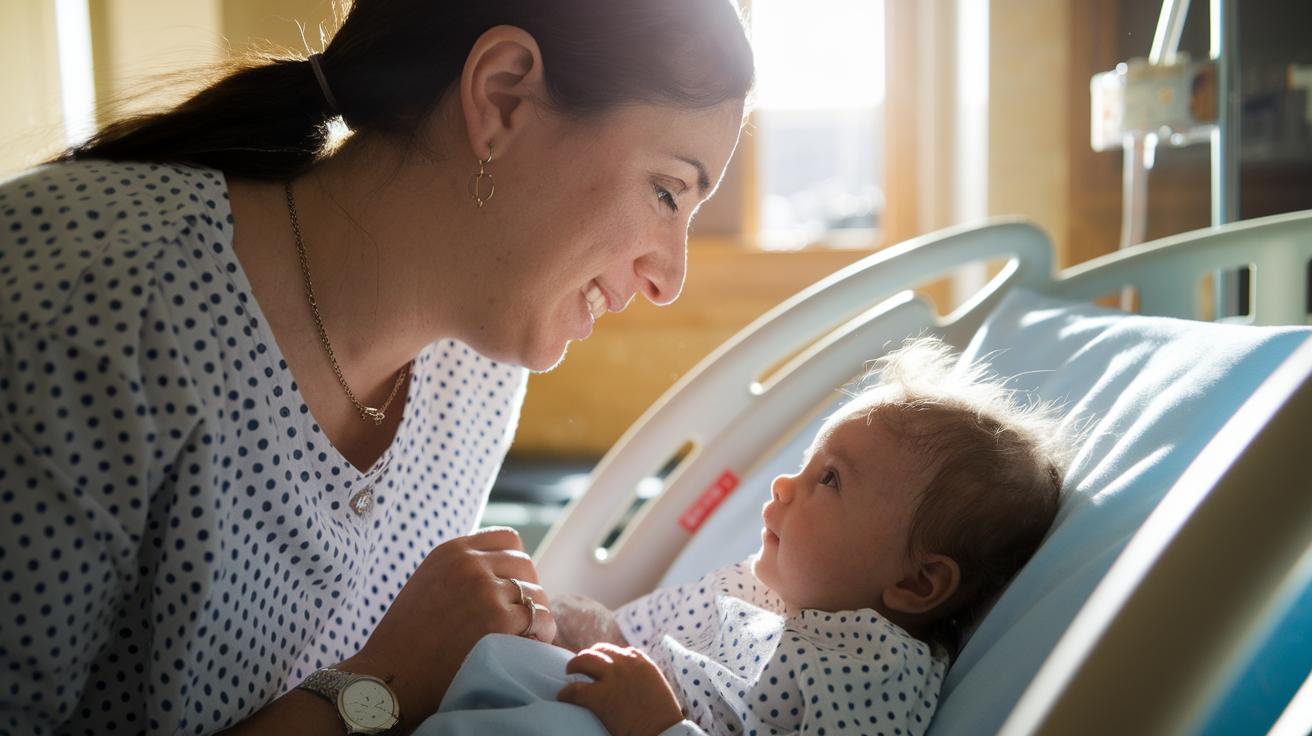
Patient and family centered care puts children and their families right in the middle of the healthcare experience. It’s built on the idea that families know their loved ones best. Think of it as a conversation where every voice matters, like when a family’s insight helped create a more comforting hospital setting.
This way of caring took shape back in 1995 thanks to the work of the Maternal and Child Health Bureau. They showed us that every family’s unique traditions and strengths are important. It really helps doctors and nurses craft care that feels personal and kind.
Big names like the Institutes of Medicine, US Department of Health and Human Services, and the American Academy of Pediatrics back this approach. They all agree that open talks, active listening, and shared decisions lead to better care. When families share what they know, treatments get better and more tailored, making patients feel truly heard.
At the end of the day, the idea is simple: every child and family deserves the best quality of life, especially those dealing with chronic issues or unique challenges. This care model builds healing bonds by inviting everyone to work together as equals. It means making decisions together and shaping treatments to suit each need. By keeping things open and respectful, trust builds, and that makes care more effective and heartfelt.
Benefits of Patient and Family Centered Care in Healthcare Quality and Outcomes

Patient and family centered care brings real benefits for everyone involved. It helps families and care teams speak openly so that everyone knows what’s happening during treatment. Think about a hospital that saw family stress drop by 30% in just a few months after switching to this model. When families take part in the conversation, doctors and nurses pick up helpful details, which means fewer mix-ups and better care plans.
This kind of teamwork doesn’t just improve how patients talk with their caregivers – it also builds a strong support circle. When families share their thoughts, both patients and caregivers feel less stressed. And as a bonus, this open share of ideas can lower conflicts and even cut down on legal troubles caused by misunderstandings.
Here are some key advantages:
| Benefit | Description |
|---|---|
| Better Communication | Families and professionals can talk clearly about treatments. |
| Less Stress | Both patients and their caregivers feel calmer. |
| Fewer Conflicts | Treatments and follow-ups are smoother with fewer disagreements. |
| Higher Satisfaction | The care experience feels more positive to everyone. |
| More Efficient Service | Healthcare services work better when everyone is included. |
When every voice is heard, trust grows naturally. This trust is vital for better treatment outcomes, especially for kids with ongoing conditions. With a care model built on collaboration, every visit feels like a warm, caring conversation. Each discussion adds a piece to the puzzle of well-being, ensuring the final picture is complete and hopeful.
Implementing Patient and Family Centered Care: Best Practices and Strategies

Start by pledging to value every person’s unique needs and their idea of family, just as the 1995 guidelines suggested. One simple approach is to set up family advisory councils. Imagine a friendly brainstorming session where every family member’s experience sheds light on how to improve care.
Make room for family leadership in designing care. This means inviting families to work side by side with teams of different experts, sharing ideas and helping shape treatment plans. For example, when planning care for children, a meeting with the family can bring their opinions together like puzzle pieces for a complete picture.
Focus on clear communication by holding regular meetings and feedback sessions. Create chances to share information openly using plain language and helpful visuals. This way, every family member, whether new to the process or an experienced advocate, feels informed and included.
Encourage decisions that combine clinical knowledge with family insights. When each voice is heard, treatment plans can honor various cultural traditions and the specific needs of each family.
Finally, use care design methods that emphasize clear communication and mutual respect among everyone involved. Consider scheduling workshops or training sessions for your team to practice these strategies. By nurturing trust and inclusion, every treatment plan can be both medically sound and perfectly aligned with the patient and family’s vision for well-being.
Policy Frameworks and Guidelines Supporting Patient and Family Centered Care

Since 1995, the Maternal and Child Health Bureau teamed up with family leaders to create guidelines that still back our best care practices today. These simple rules help communities focus on care that really includes families, stressing open talk and making decisions together.
Big organizations like the Institutes of Medicine, the US Department of Health and Human Services, and the American Academy of Pediatrics also love these ideas. For example, they recommend setting up family advisory councils so that patient voices are heard. This way, we mix proven methods with what works best for everyone.
Real-World Examples of Patient and Family Centered Care in Action
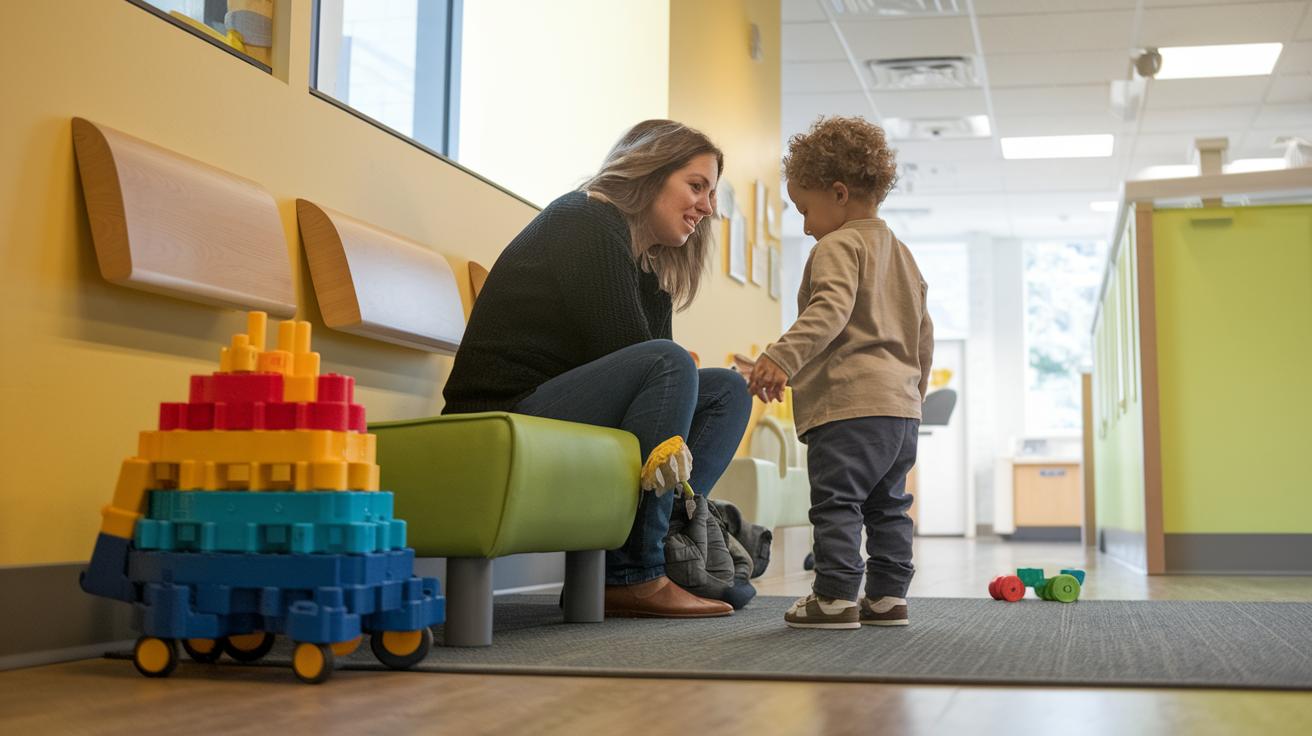
Families don’t just visit, they help shape the way care is given. At one community clinic, families were invited to join a family advisory council. In one meeting, a caregiver’s idea led to reworking the waiting area. The space was turned into a child-friendly zone that felt warm and welcoming. After parents took part in redesigning the clinic, patient satisfaction jumped by 25%.
In another example, a pediatric unit worked closely with family groups to update treatment plans for children with long-term conditions. Parents shared everyday challenges, and their insights helped adjust guidelines so that medication routines were easier to follow. This simple input transformed routine care into a process that truly fit the needs of both kids and their caregivers.
A regional hospital also saw big benefits when families got involved. They gathered diverse family voices to review and improve care practices. The result? Fewer emergency visits and better follow-up care, which proved to be a win for everyone.
Regular feedback sessions and celebrations of cultural traditions have further ensured that care respects each family’s unique story. These real-world examples show that when family voices are heard, patient care becomes more personal, effective, and respectful.
Addressing Challenges and Measuring Success in Patient and Family Centered Care

Many organizations run into hurdles when they try to adopt patient and family centered care. They often struggle with tight budgets, old policies, and staff who have not received enough training. These issues slow down changes in daily routines and make work more complicated. And when money and time are limited, it can be hard for teams to find moments for honest feedback.
But there is a simple way forward. By using easy self-check methods and basic evaluation tools, care teams can tell what is working and what needs a little change. Surveys, performance checklists, and direct observations help track progress against clear goals. Regular conversations with patients and family members bring fresh insights that shape better care practices. And when team members openly discuss problems ranging from scheduling to policy restrictions, they get a true picture of progress.
Examples of these tools include:
- Survey tools that measure how families feel.
- Checklists used to monitor care practices.
- Self-assessment guides that evaluate staff engagement.
A clear framework for improvement helps teams adjust their methods while keeping every voice heard. This ongoing self-check routine tackles challenges directly and paves the way for stronger support for everyone.
Implementing Patient and Family Centered Care: Best Practices and Strategies

Begin by encouraging warm and sincere conversations among your team. Train everyone to speak with genuine care. For example, practice role-play exercises where a team member might say, "I understand how you feel; let’s work together on your care plan," just like a real chat.
Hold regular training sessions that include fun role-play scenarios. These sessions help your team get comfortable with empowering patients and responding kindly when family members share their thoughts. Think of it like explaining treatment options as if you were talking over a cup of coffee.
Set up clear ways to involve family members in care decisions. You could organize regular meetings or even create a family advisory group to hear their ideas. For example, a monthly meeting can be a great way to use family feedback to improve the care environment.
Keep an open line of feedback within your team. After treatment sessions, hold short check-ins or debriefings to discuss what went well and what could be improved. Even a brief conversation can uncover small changes that make a big difference.
Organize workshops where your team can share patient stories and fine-tune their communication skills. These gatherings provide a friendly space for discussing practical ideas and making care more supportive.
- Encourage warm, genuine conversations.
- Practice role-play using simple, everyday examples.
- Organize regular family meetings or advisory groups.
- Use quick check-ins to gather feedback.
- Hold workshops to share stories and improve communication.
Final Words
In the action, we explored how patient and family centered care transforms healthcare by putting those who matter most at the heart of the system. We broke down its core principles, shared best practices, reviewed policy guidelines, and highlighted real-life examples that show how families improve treatment outcomes. The guide offers clear steps to make confident decisions and enjoy better health experiences together. Embrace these insights and remember the power of patient and family centered care in every healthcare journey.
FAQ
What are the key concepts and principles of patient and family-centered care?
The key concepts of patient and family-centered care include respect, collaboration, and shared decision-making. This approach centers on honoring the unique culture and strengths of each family, following five core principles established by health authorities.
Which actions are examples of patient and family-centered care?
Examples of patient and family-centered care include forming family advisory councils, engaging families in treatment decisions, and ensuring open, respectful communication between care teams and patients, all of which support tailored care planning.
How does family-centered care work in nursing and pediatric settings?
The practice of family-centered care in nursing and pediatrics improves communication, lessens stress, and enhances outcomes by involving families in every step of care, resulting in higher satisfaction for both patients and caregivers.
What organizations support patient and family-centered care?
The concept of patient and family-centered care is supported by major institutions like the Maternal and Child Health Bureau, the Institute of Medicine, the US Department of Health and Human Services, and the American Academy of Pediatrics.
Where can I find articles and journal references on patient and family-centered care?
Articles and journal references provide research and case studies on patient and family-centered care practices, offering reliable, evidence-based insights for healthcare professionals and patients alike.


