Have you ever left a doctor’s visit feeling a bit confused about your treatment details? Research shows that almost half of patients forget important information after leaving the hospital. This raises a simple question: why aren’t we given clear, everyday explanations right away? When you’re involved in every step, your voice truly matters. Honest, straightforward chats with your care team let you take control of your health, turning treatment into a genuine team effort.
Understanding Patient Empowerment in Healthcare

Patient empowerment means taking an active role in your own health care. It all begins when you get clear information right away, so you understand your condition and the treatment choices available. When you know what to expect, you're more able to share symptoms and important details with your healthcare team. Research shows that only about 50 to 60 percent of patients recall key information from their hospital stay. That’s why starting with straightforward, eye-opening facts can help both patients and caregivers grasp the real importance of clear communication.
At its heart, patient empowerment is about making decisions together. This means doctors and patients chat about all the options, weighing the risks and benefits side by side. When you’re part of the conversation instead of just following orders, you naturally feel more confident and in control. It’s like having a supportive partner who listens and guides you through each step.
When healthcare teams encourage you to make informed choices, they boost your rights and independence. Simple, clear language replaces confusing medical talk, which helps everyone understand your care plan better. Everyone from doctors to nurses works together to ensure you feel heard and valued, setting the stage for treatments that are as effective as they are compassionate.
Benefits of Patient Empowerment for Health Outcomes

Patient empowerment gives hope in healthcare by changing the way we approach treatment and handle our own well-being. When people have the right information and feel part of the process, they're more comfortable sharing details about their symptoms and sticking to treatment plans. Research shows that patients who feel empowered take better care of themselves, which leads to improved results and fewer hospital readmissions.
Working together with healthcare teams to choose the best treatment feels a lot like picking the perfect ingredients for your favorite meal, you get to decide what goes in and how it enhances the final dish. This open, shared decision-making boosts patient satisfaction and helps lower overall care costs.
Digital tools also play a big role here. A simple text reminder, for example, can ensure you don't miss an appointment, keeping your care on track and avoiding interruptions.
When patients truly understand their conditions and treatment options, they become active partners in their recovery. As healthcare moves away from a one-size-fits-all approach to one that focuses on individual needs, the benefits shine through: better health outcomes, reduced costs, and a healthier, happier life for everyone involved.
Strategies for Implementing Patient Empowerment in Practice
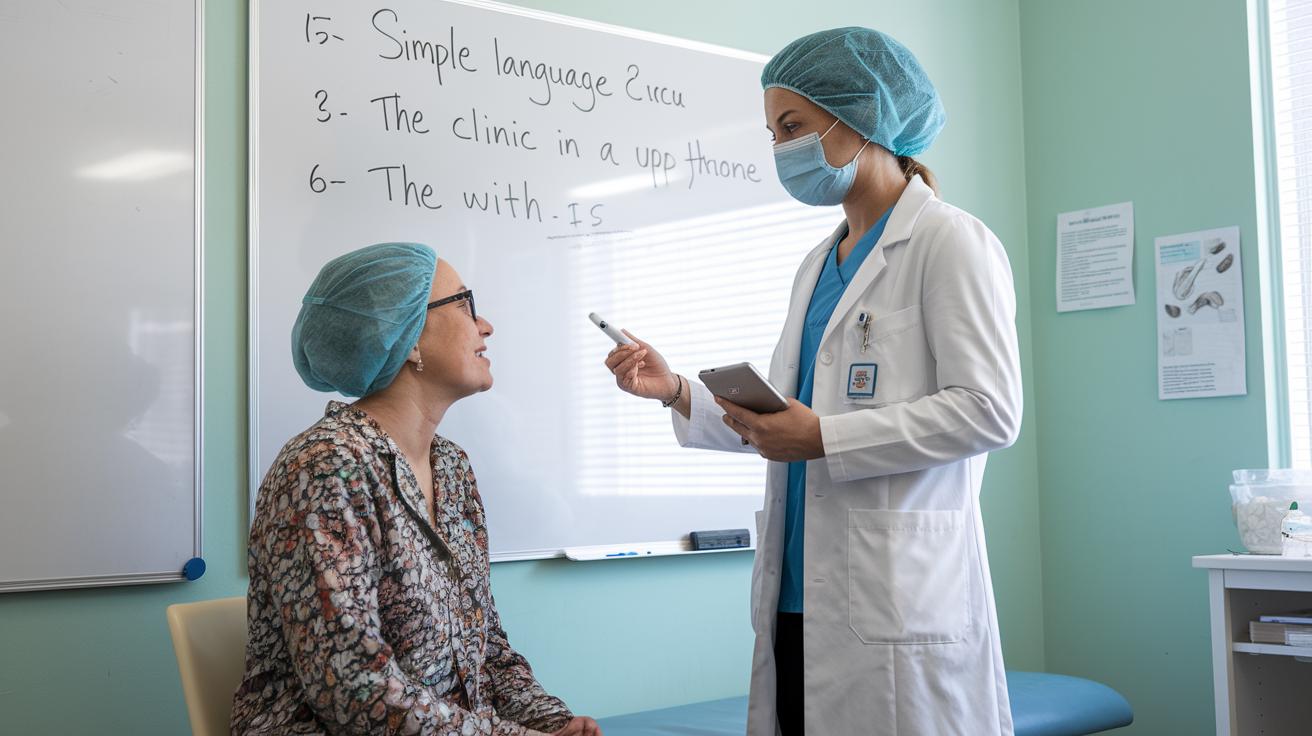
Healthcare teams can help patients feel more in control by offering education programs that encourage shared decisions right from the start. The Patient Engagement Playbook lays out six top strategies, one of which focuses on teaching patients and working with them every step of the way.
When meeting with patients, teams might host workshops that explain care options in simple, everyday language. For example, you could share an eye-opening fact like, "Almost half of patients forget key treatment details unless they get a follow-up, so digital reminders really matter." This approach sets a friendly tone and clears up any confusion.
Practical methods include:
- Workshops that break treatment plans into small, easy-to-remember pieces.
- Interactive videos and graphics that visually show how procedures work.
- Tools that simplify complex information, making it easier for patients to understand their choices.
Many care teams boost patient recall by using digital reminders or nurse-led check-ins. These follow-ups give patients a chance to review important details from their appointments. Apps for tracking symptoms and online learning modules not only reinforce what has been discussed but also build confidence in managing one’s own health. Imagine a patient using an app to report symptoms and receiving advice tailored just for them, this makes understanding their condition much simpler.
Digital reminders work nicely with face-to-face support. For example, scheduling a nurse call a few days after a workshop lets patients ask questions and clear up any doubts. These combined steps make healthcare a true team effort, ensuring patients are ready to make informed choices about their treatment.
In the end, turning clear information into simple, actionable steps empowers patients and brings hope into their healthcare journey.
Digital Tools Enhancing Patient Empowerment

Digital health solutions are changing healthcare by putting important information right at your fingertips. For example, SPARK Fusion® uses WiFi-powered portals that send you appointment reminders, let you securely message your provider, and even show details like patient numbers, lengths of stay, and service use. This way, you can keep track of your care directly from your smartphone or tablet.
About 75 percent of patients now say they really like digital healthcare services. Imagine getting a text that reminds you of your next checkup or chatting with your doctor through an easy-to-use app, it feels almost like having your very own health assistant. And since 2019, all NHS Trusts have provided free WiFi, so staying connected and managing your health online has never been simpler.
Conversational messaging is also stepping up to help. These tools automatically reach out to remind you about appointments, which cuts down on missed visits and makes communication smoother. For instance, you might get a reminder saying, "Don't forget your appointment tomorrow at 10 a.m.," so you’re always on track with your treatment.
Telehealth innovations further boost this digital care trend. With secure video visits and data-driven engagement, you can easily connect with your healthcare provider, building more trust and making modern treatment more accessible.
Case Studies Illustrating Patient Empowerment Impact

Real-life examples show that when patients take an active role in their own care, the results can really improve. In one case, the NHS Friends and Family Test noted a clear rise in how satisfied patients felt. When people feel empowered, they’re more likely to share the details of their symptoms, which helps doctors fine-tune treatments for better health.
A video case study on future health tech suggests that by 2025, we'll see widespread patient engagement. The study explains that digital tools and support programs make it easier for patients to stick to their treatment plans. For example, sending a simple follow-up text after a consultation helped many patients remember important details and manage their health effectively.
Reports and case examples back up these findings, showing that empowered care practices result in fewer hospital readmissions and better self-care routines. Patients in these studies reported real improvements in their quality of life and gained more confidence in voicing their care preferences. All these stories paint a picture of healthcare communities where collaboration between patients and clinicians truly makes a difference in everyday health.
Measuring Patient Empowerment with Assessment Tools

Today’s healthcare really counts on smart assessment tools to show us just how empowered patients feel. These tools pick up everyday data, like how often patients log in to their portal, use decision aids, or report symptoms. When care teams review this info, they can truly see how involved you are in managing your own health.
Clinics and hospitals often turn to simple, standard surveys to get a snapshot of patient empowerment. These questionnaires not only reflect how happy patients are with their care but also point out areas that might need a little adjustment. By checking these measurements over time, care teams can spot trends and tweak their methods to keep you at the center of every decision.
Tools like SPARK Fusion® bring this data to life with real-time dashboards that show numbers like patient counts, average stay lengths, and overall service use. This clear view helps teams understand what’s working well and where improvements can be made. Common tools used to capture these insights include:
- Surveys and patient questionnaires
- Usage metrics from online portals
- Analytics dashboards that track how often decision support tools are used
Data-driven checks are now a cornerstone of modern healthcare. They connect the dots between how empowered you feel and how efficiently care is delivered. Much like the metrics in Precision Healthcare, this approach helps fine-tune practices to boost both outcomes and your overall care experience.
Role of Healthcare Professionals in Fostering Patient Empowerment

Nurses take time to explain things in everyday terms, helping patients feel at ease. For example, one nurse at a local clinic broke complicated medication instructions into a clear, step-by-step guide. Impressively, this approach boosted patient activation scores by 25%, showing how turning confusing directions into a simple action plan can really make a difference.
Nursing leaders are also changing the way care is delivered by coaching patients to speak up about their health needs. At a community center, a nurse set up weekly group meetings where patients picked up practical tips, like keeping a health log to track symptoms. This not only made their conversations with doctors more productive but also empowered them to take control of their health.
Teamwork plays a huge role too. When doctors, nurses, and other health professionals work together and share clear insights, every care plan truly reflects the patient's voice. This friendly, collaborative approach blends strong nursing leadership with a hands-on look at each patient's needs.
- Nurse-led education that turns complex medical instructions into simple, clear steps.
- Leadership that builds trust by offering personal coaching and inviting patients into decision-making.
- Teamwork among different care professionals that puts the patient at the center of every care plan.
Overcoming Barriers to Patient Empowerment

Patients often struggle with problems that keep them from taking charge of their health. They may deal with appointment delays, money issues, mistakes from handwritten notes, or not enough staff on hand. These challenges can make the healthcare system feel confusing, leaving many unsure about where to turn when they need help.
Low health literacy, which means having trouble understanding medical information, and a lack of follow-up can make things even harder. When patients aren’t given clear guidance, they might feel less confident in speaking up about their care. This can lead to simple things, like reporting a symptom, turning into a big, overwhelming task.
Smart, targeted solutions can help everyone feel more in control. New policies like free patient WiFi and handy tools that show how investments help can make it easier for patients and providers to connect smoothly. Plus, patient navigation programs are a big help. They do things like:
| How They Help | What It Means for You |
|---|---|
| Streamlining referrals | Getting you to the right care faster |
| Improving access to services | Easier details and appointments for essential care |
| Guiding through complex processes | Clear steps to follow, making health decisions simpler |
All these efforts work together to knock down obstacles and create a system where patients can confidently take part in making decisions about their own care. By using clear, practical strategies, the healthcare system can open the door for every patient to become an active and informed advocate for their well-being.
Final Words
In the action, we explored real-world examples of enhanced health outcomes through patient empowerment. We broke down effective education, shared decision-making and digital tools that make care more accessible. We saw how clear patient rights, practical strategies and easy-to-use tools boost confidence in treatment choices. Every section centered on step-by-step guidance for patient empowerment, paving a way for smarter, safer care decisions. Moving forward, let patient empowerment drive a healthier, more informed and positive experience for everyone.
FAQ
What is the meaning of patient empowerment?
Patient empowerment means that patients have a clear understanding of their care and treatment, actively participating through education and shared decision-making for better outcomes.
What are examples of patient empowerment?
Examples of patient empowerment include structured education sessions, interactive decision aids, self-management apps, and direct communication with care teams for personalized treatment planning.
How does patient empowerment benefit health care?
Patient empowerment benefits healthcare by improving treatment adherence, boosting satisfaction, reducing readmissions, and lowering costs through active participation and informed decisions.
How is patient empowerment applied in nursing?
In nursing, patient empowerment involves clear communication, educational support, advocacy coaching, and a collaborative approach that helps patients make informed health decisions.
What is a synonym for patient empowerment?
Patient empowerment can also be called self-advocacy, care autonomy, or active participation in healthcare decisions, highlighting the patient’s role in their treatment.
What does a patient empowerment framework consist of?
A patient empowerment framework consists of strategies like early education, shared decision-making, digital reminders, and supportive communication to engage patients throughout their care.
How are patients empowered in their own care?
Patients are empowered in their own care when they receive clear education, participate in decision-making, use self-management tools, and contribute actively to their treatment plans.
What is the Patient Empowerment Network?
The Patient Empowerment Network connects patients, providers, and advocates to share resources, foster best practices, and improve engagement in shared decision-making for better healthcare outcomes.


