Have you ever noticed how a simple smile or a warm hello can transform your healthcare experience? When you step into a clinic, it’s not just about routine check-ups. Every little moment, from the friendly greeting at the door to the thoughtful care during your visit, adds up to something much bigger.
These small touches make you feel truly seen and cared for, and they help build a higher quality of care that can lead to better health outcomes. In this article, we’ll explore how each interaction, no matter how small, can make your experience more comforting and effective.
Definition and Scope of Patient Experience in Clinical Care

Patient experience in healthcare is about every encounter a patient has with the system. It covers everything, from the friendly hello when you book an appointment to the caring smile when you leave. It’s more than just being satisfied with a visit; it’s about ensuring every moment makes you feel truly cared for. Think about that warm welcome at reception or the comfort of a well-prepared treatment room; each detail builds a picture of quality care.
Different healthcare settings bring their own touch to this experience. In outpatient clinics, you might enjoy a quick check-in and friendly chat with the team. In hospitals, a smoothly coordinated effort among various specialists and support staff helps you feel safe and attended to during your stay. And in emergency departments, the focus is on giving fast help and clear instructions when you need it most. Each environment works in its own way to build trust and promote overall well-being.
Importance of Patient Experience on Healthcare Quality

Patient-centered care turns every visit into an opportunity to build trust. When care is tailored to each person, they feel respected and safe. A friendly face at the front desk and clear details about what to expect can make a big difference. It’s these small moments that help patients feel ready to take control of their health for the long run.
Good patient experiences are linked with better health outcomes. When patients feel truly cared for, they're more likely to follow through with their treatment plans. Imagine a patient who listens carefully to their doctor’s advice and steadily gets better, all because they felt understood and supported.
Taking care of patient experience can also make day-to-day tasks run smoother. Clinics that streamline billing and reduce delays help staff spend more time with patients instead of paperwork. This simple change not only cuts down on errors and cancellations but also lets caregivers focus on what matters most, providing kind, timely care that keeps patients coming back.
Metrics for Measuring Patient Experience in Healthcare

We get a real sense of how patients feel by using tools like the CAHPS survey (which asks about overall care), the Net Promoter Score (to see if they would recommend the service), Likelihood to Recommend, and other custom surveys. These tools give a clear look at the whole journey, from when a patient books an appointment to the follow-up after leaving. They check on important details like wait times, how kindly staff talk to patients, and even how clean the facility is. For instance, when an ambulatory surgery center scores 85.3 on the CAHPS survey and a medical practice scores 84.1, it shows things are going well there. But lower scores in hospitals or emergency departments hint at spots that need some extra care.
By keeping an eye on these numbers, doctors and nurses can easily spot what’s working and what could use improvement. Regularly checking these scores sparks ideas to change things around, maybe tweaking how staff communicate or making the wait times shorter. This steady watch helps build a health care system that feels honest, clear, and truly centered on what patients need.
| Metric | Description |
|---|---|
| CAHPS | Measures how much trust patients have in the care they receive |
| NPS | Shows the likelihood of patients recommending the healthcare service |
| LTR | Checks how willing patients are to endorse the facility |
| Wait-Time Score | Reflects patient impressions about the speed of care |
| Communication Rating | Rates how clear and caring provider interactions are |
When these results are reviewed, healthcare teams can zoom in on the details that need a little extra care. This ongoing process not only highlights the areas where they shine but also points out where improvements are needed, making every visit a little better for patients.
Patient Experience in Healthcare: Elevating Care Quality

Improving patient experience means blending smart, modern solutions with genuine, heartfelt care. It’s not just about treating conditions , it’s about making every visit feel warm, supportive, and welcoming. More clinics are now creating friendlier waiting areas, simplifying check-in steps, and ensuring that every conversation listens to what patients really need. This fresh focus helps teams spend more time giving care that is both quick and truly compassionate.
- Friendly appointment reminders help patients stay organized and feel ready for their visits.
- Staff training in empathetic communication means every interaction is caring and clear.
- Modern waiting areas offer a calm space that eases anxiety and boosts comfort.
- Easy-to-use check-in kiosks speed up the process, cutting down on wait times and hassles.
- Ongoing opportunities for feedback let patients share their experiences, helping teams adjust care right away.
- Clear billing practices remove any cost confusion, building trust without surprises.
- Personal follow-ups show patients they’re remembered and cared for well after their treatment.
- Culturally sensitive care respects everyone’s unique background, making each person feel truly valued.
By bringing these ideas together, clinics can run smoothly while treating patients with warmth and respect. Focusing on both the efficient and the personal sides of care builds trust and leaves everyone feeling well-supported and important.
Leveraging Patient Feedback to Improve Patient Experience in Healthcare

Healthcare teams listen closely to patient feedback, it’s a friendly chat that helps improve every step of your experience. Providers gather insights right after your appointment with simple surveys, quick phone calls, online forms, and even digital kiosks. These methods capture details from booking your visit to your follow-up care, making sure every patient's voice is heard.
Each piece of feedback, no matter how small, paints a picture of your care. Whether it's noticing the wait time, the comforting vibe of the facility, or how well the staff responds, every bit of information helps. It’s like adding pieces to a puzzle to see where the care shines and where a little extra attention is needed.
Healthcare teams sort through this feedback by looking at trends across different ages, backgrounds, and types of services. This way, they can spot if certain groups need extra care or if a part of the service needs a small tweak. They even use smart tools to better understand the data and figure out what changes can really make a difference.
In the end, these insights lead to real-world improvements, streamlining check-ins, making billing clearer, and ensuring that every conversation with a provider feels personal. By turning your honest feedback into action, healthcare teams work together to build trust and create an even better care environment for everyone.
Case Studies Highlighting Patient Experience Improvement
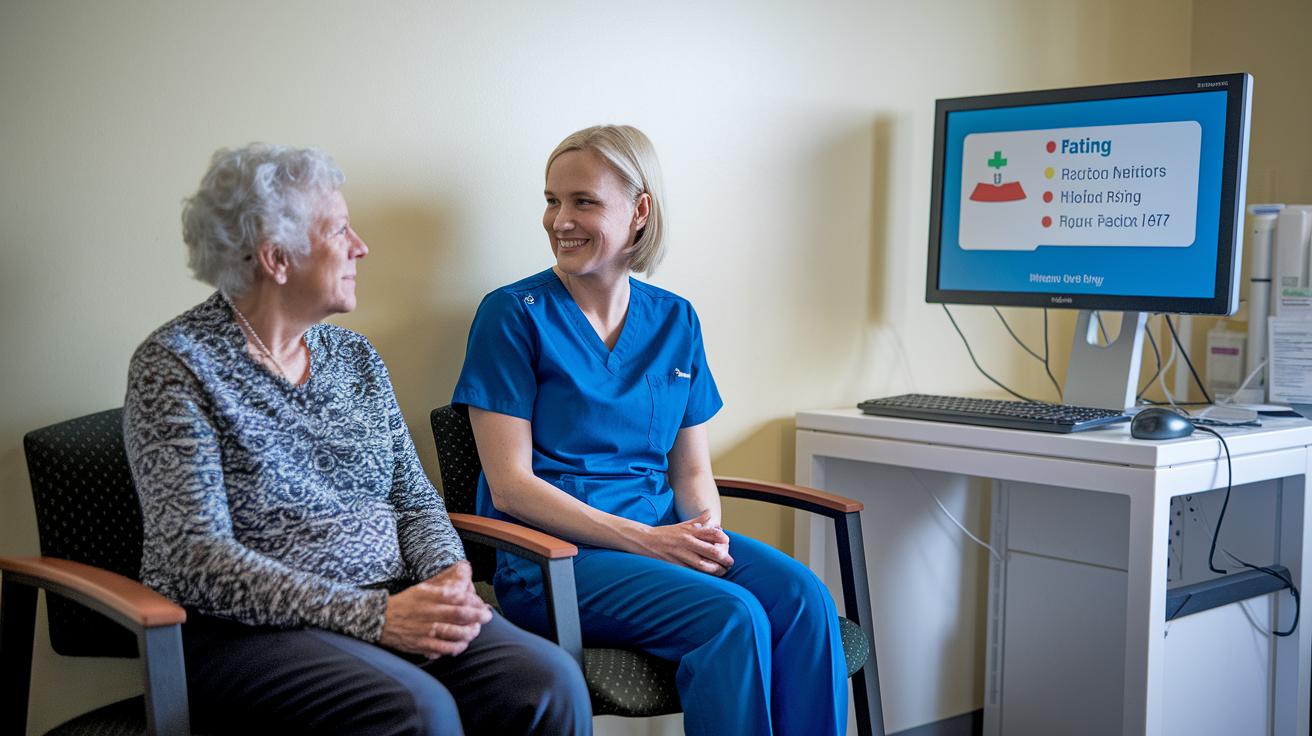
Ambulatory Surgery Center Success
Ambulatory surgery centers have made great strides in how patients feel about their visits. In 2023, one center reached a five-year high with a CAHPS score of 85.3. They did this by making check-in faster, improving the way appointments are scheduled, and keeping communication clear. Many centers even revamped their waiting areas and used patient feedback to tweak their services. Medical practices also did well, scoring 84.1, thanks to efforts that start before surgery and continue with careful follow-ups after discharge. These changes help patients feel more confident and build a solid trust in their care.
Regional and Demographic Variations
Looking at the numbers across different states and age groups shows more about patient experiences. For example, Nevada led the pack with a score of 78.5 and an increase of 2.3, while Arkansas made a nice debut in the rankings with a score of 74.0 and a 0.9 boost. This tells us that local resources and practices really make a difference. On the demographic side, millennials tend to give lower scores compared to baby boomers. This could be because younger patients expect more digital convenience and easy access. These insights remind us that improvements need to be tailored to fit local strengths and meet the evolving expectations of different patient groups.
Emerging Technologies Shaping Patient Experience in Healthcare

Digital tools are changing the way you connect with your care team. Telehealth platforms let you quickly chat with your doctor, keeping your care both easy and convenient. Automated reminders and real-time status updates mean you're never left guessing about your next step, making the entire journey clearer and more engaging.
AI-powered chatbots, along with tools like predictive analytics and big data, work together to cut waiting times and boost service delivery. They analyze your interactions and treatment details as they happen, suggesting little adjustments that fit your unique needs. It’s like having a smart helper that makes routine tasks easier and helps healthcare continuously improve.
Personalization really shines with these innovations. When digital engagement meets real-time AI insights, care plans become as unique as you are. This smart mix offers tailored advice and connects you faster with the right specialist, ensuring you feel supported and understood every step of the way.
Final Words
In the action, our blog unpacks what patient experience means and its impact in clinical care. You read about how every step, from check-in to follow-up, matters to overall care quality.
We also explored tools, techniques, and even case studies that highlight practical improvements in patient experience in healthcare. The focus remains on making results better and your choices easier, with each study and strategy aimed at a more responsive care environment. Enjoy the positive progress we’re making together.
FAQ
What are examples of positive patient experiences?
Positive patient experiences include personalized follow-ups, attentive staff interactions, and clear communication. These examples show how thoughtful care builds trust and encourages patients to feel valued.
What does patient experience in hospitals involve?
Patient experience in hospitals covers everything from admission to discharge. It emphasizes clear communication, compassionate interactions, and smooth processes to ensure patients feel supported throughout their stay.
How does one improve patient experience in healthcare?
Improving patient experience involves initiatives like empathetic communication training, reducing wait times, streamlining check-ins, and actively gathering feedback. These actions create a more responsive and patient-centered care environment.
Why is patient experience important in healthcare?
Patient experience is important because it nurtures trust, encourages adherence to treatment plans, and can lead to better health outcomes. Positive experiences often result in lower readmission rates and more efficient care delivery.
What is included in a patient experience job description?
A patient experience job description typically involves collecting and analyzing patient feedback, monitoring satisfaction metrics, and coordinating initiatives to enhance every aspect of the patient journey.
What are examples of patient experience goals?
Patient experience goals often target reducing wait times, improving communication clarity, increasing satisfaction scores, and creating a welcoming environment that reassures patients throughout their care.
What are the 4 P’s of patient experience?
The 4 P’s of patient experience refer to Practice, Personalization, Professionalism, and Performance. These areas guide efforts to ensure every patient interaction is supportive and effective.
What are the three pillars of patient experience?
The three pillars of patient experience include quality care, clear communication, and a caring environment. Together, they help foster a setting where patients feel secure and well-considered.
What are the 5 C’s of patient care?
The 5 C’s of patient care are care, communication, competence, compassion, and courtesy. They establish a framework that supports respectful, efficient, and patient-centered interactions.
What are the three major issues in healthcare?
The three major issues in healthcare often involve limited service access, varying quality of care, and administrative inefficiencies. Addressing these areas is key to improving overall patient satisfaction and care outcomes.


