Ever wondered if your regular health check-ups really tell the full story of your well-being? PROMIS listens directly to you, much like a suit that fits just right. Born from thorough research and supported by the National Institutes of Health, it tailors its questions to gauge your physical, mental, and social health. This approach turns real experiences into clear, evidence-based insights, offering a fresh, patient-centered view on care.
Overview of the Patient-Reported Outcomes Measurement Information System

PROMIS is a tool that started back in 2004 with help from the National Institutes of Health. It was created to give people a voice by measuring how they feel physically, mentally, and socially, in a way that really puts you, the individual, at the center. Whether you’re an adult, a child, or someone living with a long-term condition, PROMIS is designed to capture a full picture of your well-being using clear, science-backed methods.
Built on strong, trustworthy research, PROMIS uses smart, precise techniques to look at key parts of health. Think about it like having a custom-tailored suit that adjusts to your body shape, its questions adapt based on your unique answers. This approach makes PROMIS stand out as both a clinical care tool and a partner in research.
The system has grown far beyond its early days and now reaches people all over the world. With training workshops, international conferences, free webinars, and translations into many languages, PROMIS supports everyone from busy clinics to dedicated researchers. National representatives and an international team work together to share best practices and real-life insights, helping everyone feel confident in its measurements.
Even today, PROMIS remains a trusted resource for tracking health outcomes where old methods might miss the mark. By weaving modern measurement techniques into everyday assessments, it shows just how innovation in healthcare can make a real difference in care and understanding.
Psychometric Foundations and Adaptive Testing in PROMIS

PROMIS uses strong psychometric techniques that start with Item Response Theory (IRT), a method that adjusts large sets of questions across different health areas. IRT makes sure each question works well to capture someone’s health status accurately. Think of it like checking every piece of a puzzle to ensure it fits perfectly into the complete picture.
Plus, PROMIS also uses computer adaptive tests that adjust which questions you see based on your answers. These tests follow rules that tell the system when it has collected enough information. For instance, imagine a doctor using a digital scoring system that tweaks the questions in real time so they match your ability level. This approach cuts down on errors and gives a clearer, more precise picture of your health.
One big strength of PROMIS is its careful, ongoing process to validate its measurement tools. By constantly refining its pool of questions with digital scoring, PROMIS keeps pushing for more accurate results that really matter in making treatment decisions. This digital system speeds up data collection, simplifies scoring, and makes it easier to compare results with a reference group while spotting changes in patient health.
Overall, using IRT for calibration alongside adaptive testing means that every answer you give helps build a detailed, personalized evaluation. This method is transforming how we measure patient-reported outcomes, making the whole process both practical and scientifically reliable.
Core Health Domains and Measurement Instruments in PROMIS

PROMIS helps us understand how people feel day by day. It looks at many aspects of health like how well you move, the level of pain you experience, how tired you feel, and even your mood and brain work. This way, doctors can compare findings from adults, children, or when a parent answers for their child. With more than 100 sets of questions available in many languages, PROMIS is designed to work well for everyone.
Each part of PROMIS uses a standard set of questions to make it easy to compare different groups. Think of it like a survey that adjusts its questions based on what you answer. For example, when you share details about your physical abilities, the next questions might change to better match your experience, kind of like a light switch that dims or brightens as needed.
These tools are made to be practical. A fatigue test can show how tired you feel during the day, while a pain scale helps show how pain might be getting in the way of your activities. An anxiety check provides insight into how stressed or anxious you might feel, and a test on brain function can spot issues with memory or focus.
Below is a simple table that sums up the main health areas, one example measure from PROMIS, and how each is used:
| Domain | Example PROMIS Measure | Use Case |
|---|---|---|
| Physical Function | Mobility Assessment | Checking daily movement abilities |
| Pain Interference | Pain Impact Scale | Seeing how pain affects everyday life |
| Fatigue | Energy Level Survey | Tracking how tired a person feels |
| Anxiety | Anxiety Symptom Checklist | Measuring emotional stress levels |
| Social Health | Social Participation Scale | Understanding social interaction and engagement |
| Cognitive Function | Cognitive Ability Test | Evaluating memory and concentration |
Integration and Implementation Guidelines for the Measurement System

PROMIS is a powerful yet flexible tool that fits right into today's clinical and research settings with hardly any hassle. It all starts by matching up the PROMIS assessment with your current digital patient survey system. Imagine a clinic where the team easily accesses PROMIS from their digital reporting platform, keeping patient details neat and simple to read.
The integration process comes with plenty of helpful resources. Friendly training modules and interactive demos make it easy for teams to get the hang of how the measurements work and how digital outcome scoring takes shape. There are clear guides on setting up API links, so PROMIS can hook into your electronic health records and research databases without interrupting daily routines. One oncology clinic, for example, smoothly adopted PROMIS using a standard protocol that let everything flow without a hitch.
The design behind PROMIS makes implementation smooth and keeps your workflow running without bumps. Small changes, like setting aside time for staff training or organizing the API integration, can transform daily operations. Whether it's for busy primary care or detailed academic research, PROMIS offers simple, step-by-step guidelines that help create an efficient, electronic patient survey system.
A solid plan is key to aligning every step with your outcome measurement goals. Automating patient surveys reduces extra work and fine-tunes how you track care performance overall. To keep things clear, here’s a simple breakdown of the implementation steps:
| Step | Description |
|---|---|
| 1. Define objectives and select domains | Figure out what you want to measure and choose the care areas that matter most. |
| 2. Map item banks to local workflows | Align the PROMIS questions with your clinic’s daily procedures to ensure a natural fit. |
| 3. Train clinical and research staff | Use available training sessions and demos so everyone feels confident using the system. |
| 4. Configure EHR/API integrations | Set up the digital connections that let PROMIS work with your electronic health records. |
| 5. Pilot test and collect feedback | Run a trial to see how the system performs and listen to what your team has to say. |
| 6. Evaluate performance and iterate | Review how things went and make improvements, so the system stays effective. |
Benefits and Clinical Applications of the Patient-Reported Outcomes Measurement System

One clinic found that switching to PROMIS reduced follow-up times by accurately flagging early signs of relapse, streamlining both care and administrative processes.
PROMIS is changing the game by setting new benchmarks with data that’s both precise and reliable. It gives us measurements that are sharper and less prone to error than older methods. One researcher shared, “When I switched to PROMIS, my patients' responses gave me clear insights that traditional methods simply missed.” This kind of clarity can boost the impact of studies and even let us work with smaller groups when needed.
In chronic pain management, PROMIS helps us keep a close eye on changes in a patient’s daily experience. It measures how pain interrupts life and tracks improvements in physical function. In simple terms, even the smallest but important changes in how someone feels are captured accurately. Clinicians also lean on these tools to check in on mental health, using standard questionnaires, they can measure levels of anxiety and depression more clearly than before.
For those working in rehabilitation, PROMIS offers ways to track recovery step by step. Therapists can compare a person’s progress to typical recovery patterns, which makes it easier to fine-tune treatment plans. Public health experts also use these methods to build a solid body of evidence that guides choices and strategies for community care.
What’s more, healthcare providers love PROMIS because it works well with many different populations and conditions. Its detailed measurements help researchers design better studies, and in everyday practice, they offer insights that lead to more personalized care. By using PROMIS, professionals can create treatment plans that truly fit each patient’s unique needs, making overall care more effective and compassionate.
Future Enhancements and Expansion of Patient-Reported Outcome Measures
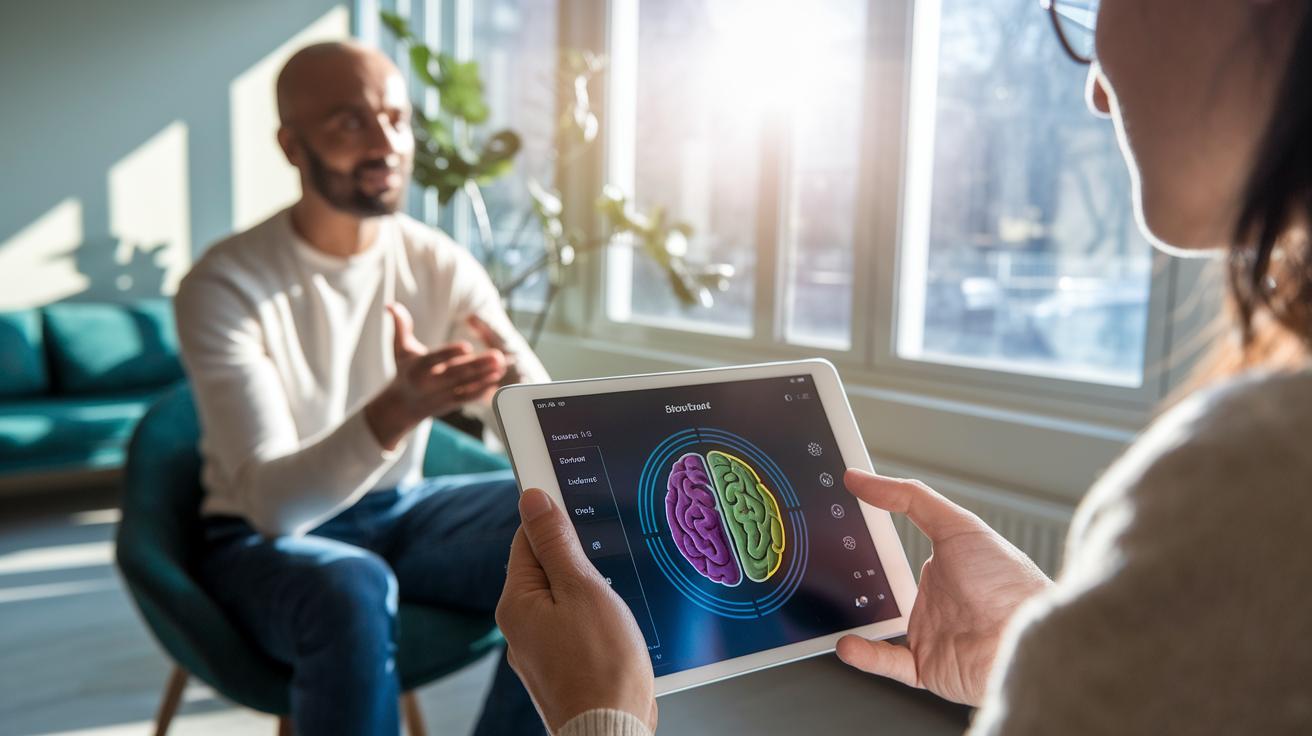
Emerging tools like Neuro-QoL and NIH Toolbox Emotion Measures are broadening how we capture patient feedback. These new systems now look at both brain function and feelings, adding a richer view of your overall health to what we already do. Researchers are working hard to expand the array of questions and tie them to older methods, keeping the data reliable over time. It's a bit like upgrading your old phone to a model with a sharper, clearer screen, it just makes everything easier to follow.
Imagine getting a digital dashboard that shows your health score the moment you enter your responses. This kind of setup helps doctors quickly notice any trends and act fast when changes happen. Soon, smart computer models will be able to adjust recommendations based on even tiny shifts in your numbers. Future upgrades will also ensure that all these systems work together smoothly and keep your information safe. And with user-friendly mobile apps on the way, you can easily check your health stats throughout the day. This blend of research and technology is creating a next-generation way to score and track health outcomes, growing right along with the way we care for patients.
Final Words
In the action, this post explored how the patient-reported outcomes measurement information system enhances health evaluations through robust psychometric methods and adaptive testing. We walked through its clear development, implementation in clinical settings, and real-world benefits in tracking physical and mental health.
This insightful overview shows a clear path toward improved treatment decisions and innovative future enhancements. The system offers a welcoming, science-based approach that supports informed choices and positive patient experiences.
FAQ
Q: How can I access official PROMIS PDFs and questionnaires?
A: The PROMIS PDFs—including the PROMIS questionnaire, PROMIS 10, and other formats—are available on official PROMIS portals. They offer detailed guidelines and standardized forms for accurate outcome measurement.
Q: What is the Patient-Reported Outcomes Measurement Information System (PROMIS) and its questionnaire?
A: The PROMIS system offers patient-completed questionnaires that measure physical, mental, and social health. These tools help track outcomes by using evidence-based, person-centered assessments.
Q: What are the PROMIS fatigue short forms and examples of patient-reported outcome measures?
A: The PROMIS fatigue short forms are concise surveys assessing energy levels and fatigue. They are examples of patient-reported outcome measures used in both research and everyday clinical practice.
Q: How do you measure patient outcomes using PROMIS?
A: PROMIS measures patient outcomes by using computer adaptive testing and item response theory. This method tailors questions to each patient, ensuring high precision and timely results.
Q: Are PROMIS measures free and still used today?
A: PROMIS measures continue to be widely used in clinical and research settings and are available free of charge. Their accessibility supports ongoing, evidence-based health assessments.


