Ever wondered how a single patient’s journey could change your outlook? In this article, we share five real stories that show the quiet strength found in everyday moments. Each account dives into honest challenges and reminds us that even in hard times, hope finds a way to shine through. As you read these narratives, you'll discover new ideas about healing and feel a spark of optimism for a brighter future.
5 patient stories spark renewed optimism

Patient stories are more than just words on a page, they connect us with real experiences. They show how healthcare touches everyday lives, making the details of treatments feel honest and personal. Hearing about someone navigating challenges can spark hope and inspire you to take charge of your own wellness.
These stories do more than lift spirits. They offer down-to-earth advice from people who have walked similar paths, sharing both their struggles and successes. Imagine learning a simple tip that makes your journey smoother, like the comforting note from a nurse that helped one patient keep going strong.
One memorable account even influenced a doctor to change a treatment plan during a study. Such moments remind us that one patient’s experience can lead to better care for everyone. These genuine stories have the power to shape the way treatments are approached, turning personal struggles into shared victories.
Real Patient Stories Across Cancer Types

Real patient stories help us see what true strength looks like. They bring to life the challenges of battling cancer, whether it's adjusting daily routines or facing an aggressive disease head-on. Every journey, be it a familiar type or something rarer, teaches us valuable lessons and sparks hope. Sharing these honest experiences not only comforts those going through similar situations but also builds trust within our caring community.
| Patient Name | Cancer Type | Stage | Key Milestone |
|---|---|---|---|
| Brittanny | Melanoma | Stage 3A | Changed her tanning habit into a focus on early detection |
| Shawn | Testicular | Stage 3 | Faced a tough treatment path with unwavering courage |
| Kandie | Endometrial | Stage 3 | Achieved remission through dedicated treatment |
| Sophie | Ewing Sarcoma | Stage 2 | Beat cancer challenges to enjoy new health milestones |
Collecting stories from all kinds of cancer reminds us that every patient’s struggle is seen and valued. Whether the diagnosis is cervical, colorectal, pancreatic, or one of the many blood cancers, and even the more common breast or lung cancers, each narrative is a step toward understanding and healing. These real-life journeys of courage help shape treatment plans and inspire us to look forward to a healthier tomorrow.
Inspiring Patient Narratives and Emotional Recovery Milestones

Patients find that healing goes beyond just the usual test results. Sure, getting clean post-treatment scans and joining support groups are important, but many feel truly renewed when they participate in community activities. For instance, Tori, who bravely battled colon cancer, found a deep sense of connection and hope after joining a local art workshop. This story shows that healing can be as much about creative expression and community as it is about clinical milestones like remission or returning to work.
These personal breakthroughs often gain recognition within the community. One survivor shared, "The shared moments during our support gatherings gave me strength beyond my own journey." Whether it's celebrating a medical win or finding solace in a creative event, each step of recovery adds a unique piece to the whole picture. Ultimately, these varied experiences remind us that recovery is a blend of personal victories and communal support, encouraging everyone to discover their own path to emotional well-being.
Mapping Healthcare Journey Narratives: From Diagnosis to Treatment Decisions
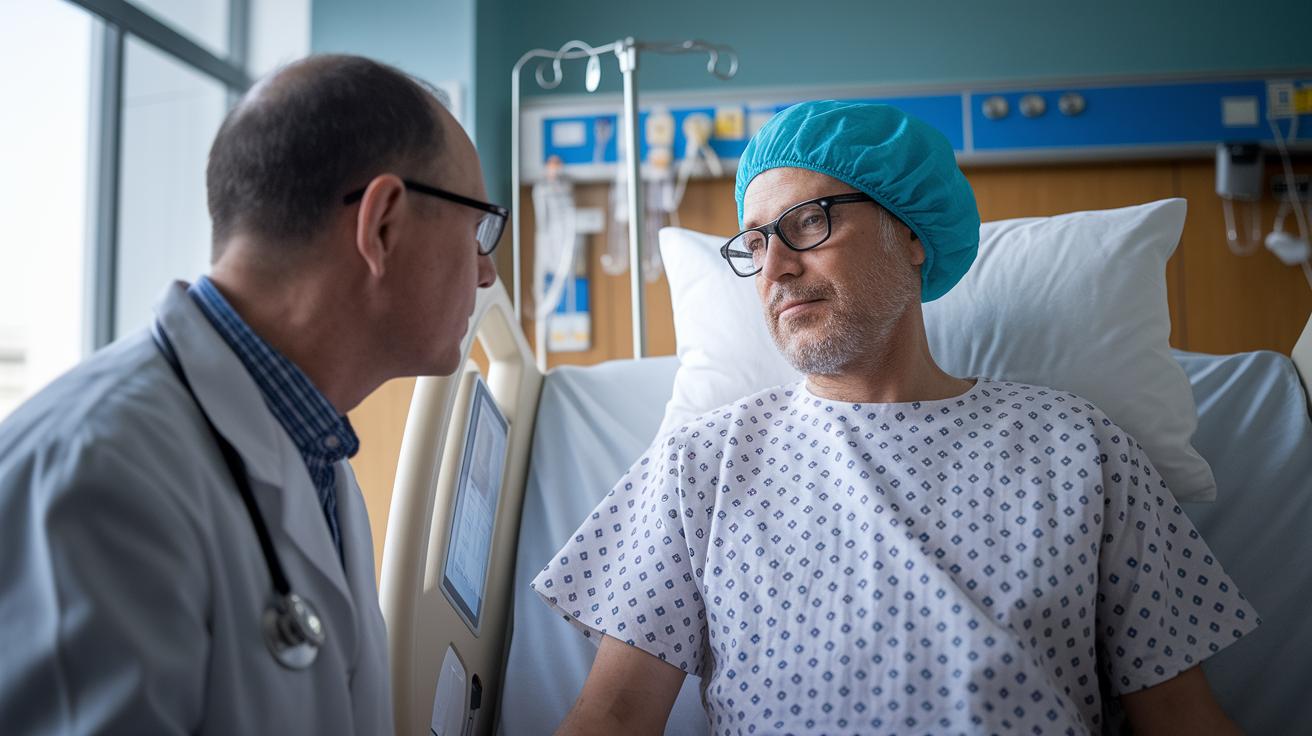
When someone faces a serious illness, their story shows a clear path from worry to understanding. Patient stories help us see every step of the journey. They also remind us that challenges often lead to better care in the long run.
Picture this journey unfolding in five main parts. It starts when a person notices unusual symptoms, which might seem like nothing serious at first. Soon after, tests, like a biopsy, help clear up the confusion and confirm what’s really going on. Once a diagnosis is made, the patient and their care team work together to choose the best treatment. This might mean surgery, chemotherapy, immunotherapy, or sometimes a mix of these methods. And occasionally, a patient might join a clinical trial where doctors adjust treatments in real time.
After these steps, the journey isn’t over. Long-term follow-up care and regular check-ups help monitor recovery and catch any problems early. Every one of these steps plays an important role in putting the pieces together for healthier outcomes.
Mapping out these phases gives a friendly guide for anyone starting their own healthcare journey. Understanding each step, from early signs and confirmation to personalized treatment and lasting support, can make the process feel less daunting and more hopeful.
Video Testimonials and Multimedia Patient Storytelling
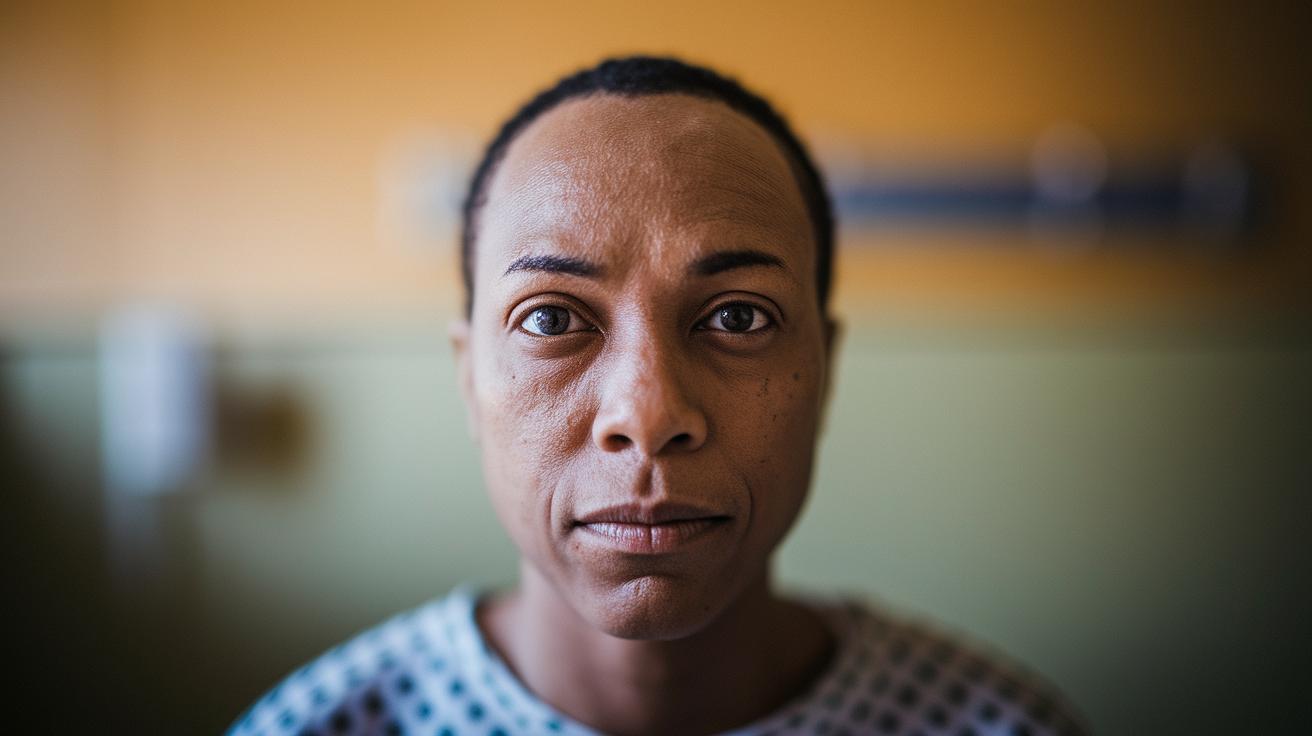
Video and visual content help create an emotional bond by showing real moments of strength and vulnerability. They capture the honest expressions and true stories of patients so viewers can feel a genuine connection. When someone sees a patient share their journey up close, it brings a clear sense of empathy. Imagine a survivor recounting a key moment in their treatment while you catch the sparkle in their eyes, it’s a powerful reminder that these experiences are real, deeply personal, and full of hope.
Online interviews, photo journals, live webinars, Instagram snippets, and panel discussions all add unique angles to these stories. Video interviews pull back the curtain on personal insights; photo journals document important moments visually; live webinars let you ask questions in real time; Instagram stories offer quick, engaging glimpses; and expert panels provide thoughtful, reassuring advice. Each of these formats gives patients several ways to engage and feel supported by shared experiences.
How to Share and Write Your Own Patient Story

Our community loves hearing real patient stories, and we truly encourage you to share your own journey. Start your story with a catchy opening that draws people in, maybe something like, "I never thought a single moment could change everything until I reached a turning point in my treatment." Your story can help others who face similar challenges and give them hope.
It helps to focus on one clear theme. Try using a simple four-part guide: begin by setting the scene, talk about the treatment challenge you faced, explain the moment that shifted your perspective, and finish by sharing where you are now. You can also add one or two quotes from experts to give even more insight. Think of it as putting together a small puzzle where each piece builds on the last.
When you write your story, keep the tone friendly and honest, like you’re chatting with a good friend. Aim for about 500 to 800 words so you have plenty of room to tell your tale without feeling rushed. Adding photos or short videos can make your narrative even more engaging, a picture of an important moment might say more than words alone.
It’s simple to share your experience via our online submission portal. There, you can safely upload your story along with any extra materials. Just follow the clear, step-by-step instructions on the platform to finish your submission.
Before you hit send, consider asking a friend or family member to read your story. A fresh set of eyes can help catch any parts that might need a tweak and ensure your timeline is clear. With a little review, your polished story won’t just inform, it will also build trust and inspire others.
Final Words
In the action, our discussion shows how genuine patient stories empower decisions and spark hope. The post walked through real narratives, from diagnosis and treatment to recovery milestones, using clear, relatable examples that blend science with personal experience.
Patient stories offer practical insights and emotional guidance, helping everyone understand treatment steps with clarity. Each story is a reminder that every healthcare journey is unique and inspiring, leaving us more informed and positive about the path ahead.
FAQ
What are real patient stories and why do they matter?
Real patient stories share firsthand treatment experiences that offer hope and practical guidance while helping others understand what to expect during their healthcare journey.
How do patient stories in healthcare, including cancer patient stories, provide insights?
Patient stories in healthcare, such as cancer narratives, detail personal challenges and successes, offering clear insights and practical advice that can help guide treatment decisions.
What are some examples of impactful patient stories on different platforms?
Impactful patient stories often appear as video testimonials on YouTube or engaging posts on Instagram, where real-life experiences are shared in relatable and emotionally compelling ways.
How do stories from sources like Cleveland Clinic build trust in healthcare?
Cleveland Clinic patient stories offer verified experiences that highlight effective care and compassionate treatment, making them a trusted resource for patients seeking reassurance and detailed care insights.
How can a patient story template assist in writing your own narrative?
A patient story template provides a structured format that guides you through sharing key moments such as your challenge, turnaround, and current status, ensuring your narrative is both clear and engaging.


