Have you ever thought that changing your nose might change your life? A nose job can do more than just update your look, it might even help you breathe better.
Think of it like tuning a musical instrument. A few small adjustments can brighten the whole performance.
Many people choose rhinoplasty to bring balance to their face and improve their breathing. In this article, we'll talk about how this procedure can boost your confidence and health, making a real difference in your daily life.
Plastic surgery for nose: Boost Your Look

Rhinoplasty, or a nose job, can improve both your look and how you breathe. Many people decide on this procedure to feel more confident and achieve a balanced facial appearance. It can reshape the tip, even out irregularities, and adjust the bridge, all while also addressing breathing concerns.
Sometimes, a nose job is needed for health reasons. If you have issues like a deviated septum or nasal blockage that makes breathing difficult, the surgeon can reshape the cartilage and bone. Think of it like tuning a musical instrument so that every note, or breath, flows perfectly.
Before surgery, your doctor will show you clear images and sometimes even a 3D model to help you envision the changes. You might hear, "Imagine seeing a model that shows how small tweaks can really improve both your look and your airflow." This step helps you set realistic goals and understand that the results will be tailored just for you.
Generally, candidates for a nose job have finished growing, so their facial bones and cartilage are fully developed. In unique cases, like with children who have congenital facial differences, the surgery may be done under close supervision by experienced specialists.
Every result is unique. Doctors carefully balance the cosmetic enhancements with the need for better breathing so your treatment plan is made just for you, addressing both your appearance and functional needs.
Common Rhinoplasty Techniques for Nose Reshaping

Closed Rhinoplasty
Closed rhinoplasty uses tiny cuts inside your nostrils so no scars show on your skin. With this method, surgeons can carefully adjust the cartilage and bone, making gentle changes that enhance the balance of your nose. Think of it like putting together a simple puzzle: you start with a solid base and make thoughtful tweaks to create a harmonious look. Surgeons often use modern 3D imaging to plan every detail, ensuring you get refined, natural results such as a smoother tip or a more balanced contour, all without any visible marks.
Open Rhinoplasty
Open rhinoplasty starts with a small cut along the soft tissue between your nostrils, called the columella. This tiny window gives the surgeon a clear view of your nose’s inner structures, allowing for precise shaping of the tip and bridge. It’s a bit like opening a book where every page is revealed, making it easier to see every detail. Surgeons may also use advanced imaging tools, and sometimes even 3D-printed models, so you can visualize the expected outcome before the procedure.
Septorhinoplasty
Septorhinoplasty is a combined approach that not only enhances your appearance but also improves breathing by addressing issues like a deviated septum. In this procedure, the surgeon reshapes the nose while realigning the internal structure with techniques such as cartilage grafts. It starts with a thorough evaluation, often using 3D imaging, followed by a carefully planned surgery. This method helps you enjoy both a more balanced look and better everyday comfort when breathing.
Detailed Steps of the Rhinoplasty Procedure

Your journey starts with a friendly consultation where your surgeon takes a close look at your nose and uses 3D imaging to show you a clear preview of the changes. Imagine looking at a 3D image of your profile, it’s much like seeing a picture of your future self. Sometimes, a physical model is even printed so you can really grasp what the planned changes will look like.
Next, the planning gets detailed with more imaging that helps your surgeon decide exactly which parts need tweaking. Whether it’s reshaping the tip, adjusting the bridge, or refining the nostrils, think of it like putting together a simple puzzle where every piece finds its perfect spot.
When it’s time for the surgery, the actual procedure usually lasts between one and three hours. Depending on your comfort and needs, you might receive general anesthesia or a mix of local anesthesia with sedation. During the surgery, your surgeon may use cartilage grafts or skin flaps to strengthen and reshape the nasal framework, ensuring that your look is enhanced and your breathing remains easy.
After the surgery, you can typically go home the same day since most rhinoplasty procedures are done on an outpatient basis. Post-operative care focuses on managing any mild discomfort and protecting your nose with internal and external splints, paving the way for a smooth recovery as your new look begins to emerge.
Recovery Timeline and Post-Operative Care After Nose Plastic Surgery

Right after your surgery, your doctor gives you clear care instructions to help you heal smoothly. You might feel a bit of discomfort at first, but with the right medication, you'll start feeling better soon. Both internal and external splints stay on for about one week, gently supporting your nose as it begins to form its new shape. Kind of like a daily reminder that your transformation is coming together nicely.
Once the splints come off, you'll be told to skip any heavy activities for the next two to three weeks. This means no lifting or intense exercise so your nose can keep its new form safely. Soon after the splints are removed, you'll have a follow-up visit where your doctor checks how you're healing. Around ten days later, your sutures will be examined to make sure everything is on track.
Another key point for many patients is taking a break from wearing glasses on the nose bridge. You'll need to avoid them for four to five weeks to keep any pressure off your healing tissues. These simple, clear steps are all about giving your body the time it needs to recover steadily.
| Post-Op Day | Key Care Milestone |
|---|---|
| Day 1-7 | Splints in place; manage mild discomfort with medication |
| Day 7 | Splints are removed; first follow-up check scheduled |
| Day 8-21 | Avoid strenuous activities to safeguard healing tissues |
| Day 10 | Suture check to confirm incisions are healing properly |
| Weeks 4-5 | No glasses on the nose bridge to prevent pressure on healing tissues |
Cost Breakdown and Financing Options for Nose Surgery

When thinking about nose plastic surgery, it's good to know what costs to expect. The price tag comes from several parts: what you pay the surgeon, the fee for the operating room and special tools, the cost of anesthesia, and the visits before and after the surgery. The surgeon's fee is for the skill and time they spend on your unique procedure. The operating room fee covers the use of equipment and space during the procedure, while the anesthesia fee changes with the length of the surgery and the type of anesthesia you need. Pre- and post-surgery visits make sure you get proper care before and after your procedure.
Here’s an example of how these costs might look:
| Cost Component | Typical Range |
|---|---|
| Surgeon’s fee | $3,000 to $10,000 |
| Facility charge | $1,500 to $3,500 |
| Anesthesia | $500 to $1,500 |
| Consultation and follow-up visits | $300 to $1,000 |
Many clinics also offer easy financing plans through secure patient portals. Some even provide payment and loan options to help make the cost more manageable.
Before-and-After Rhinoplasty Results and Patient Testimonials
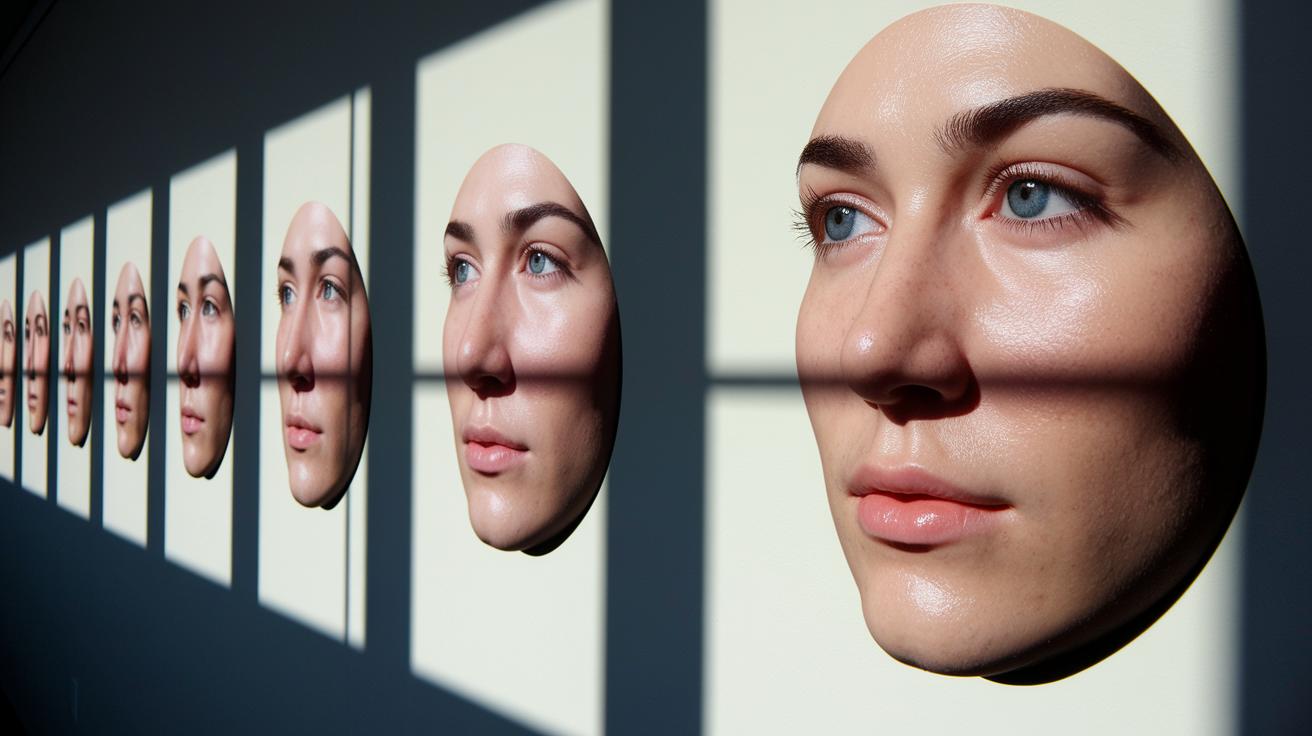
At our practice, you can explore a gallery where patient cases are sorted by different nasal shapes. This way, you get a clear picture of various outcomes. Scroll through our before-and-after photos and notice how small changes, a well-balanced tip or a smoother bridge, can brighten your look while keeping things natural. Imagine watching a rough sketch slowly turn into a crisp, clear drawing.
Each photo comes with a video or written story. Patients share how their new look not only lifted their confidence but even helped them breathe easier. They explain that great results come from both the surgeon's expertise and unique factors like skin type and bone structure. It’s real-life proof that enhanced appearance and better nasal function go hand-in-hand.
Moving around the gallery is a breeze. Every image includes a short note explaining the procedure and any extra treatments done. This simple system helps you set realistic expectations. Hearing someone talk about their success in a quick video is just as comforting as reading their kind words. One patient said, "Seeing my before-and-after results made me believe in the process." These patient stories and images are here to help you connect with expert care and imagine your very own positive transformation.
Balancing Benefits and Risks in Plastic Surgery for Nose

A nose job can help you look great and breathe easier at the same time. Many patients find that improving their facial features also means easier breathing. It’s important to know both the good parts and the possible challenges before making a decision.
Here are five big benefits to consider:
- Better facial balance that can boost your confidence.
- Easier breathing by fixing issues like a crooked septum or swollen nasal tissues.
- A stronger nasal structure that holds its shape over time.
- A refreshed, youthful look that fits well with your other features.
- Overall comfort with breathing, making day-to-day life smoother.
At the same time, there are a few risks to keep in mind:
- The chance of getting an infection while you’re healing.
- Some bleeding, which usually settles with proper care.
- A small chance that your nose might not look perfectly even.
- Minimal scarring, even with careful work.
- Occasional minor hiccups during the healing process.
After weighing these benefits and risks, you and your surgeon can decide together on the best plan for you. They’ll tailor the treatment so that both your look and breathing goals are met, ensuring you leave with results you’re happy with.
Choosing a Board-Certified Surgeon for Rhinoplasty Success

When you’re considering a nose job, the very first thing to check is whether your surgeon is board-certified. This means they’ve met strict training standards in facial plastic surgery and have spent years fine-tuning their skills. I once heard a patient say, "I asked my board-certified surgeon what makes him different, and he confidently replied, 'Years of focused training and real patient experience.'" That kind of honesty can really put you at ease.
It’s also important to take a good look at the surgeon’s portfolio and what past patients have to say. Ask to see before-and-after photos so you can see if their work fits your vision. Sometimes, you may even hear explanations about how a cosmetic surgeon differs from a plastic surgeon, if you’re curious, check this out: cosmetic surgeon vs plastic surgeon. Personal consultations give you the chance to dive deeper into their expertise and build trust. For example, clinics in Greenwood Village, CO (303-253-7686) and Beverly Hills, CA (213-457-7740) are known for their caring approach.
Here are some simple tips to guide you:
| Tip | Why It Matters |
|---|---|
| Verify board certification | Ensures the surgeon has rigorous training and expertise |
| Review portfolios and testimonials | Helps you see if their results match your goals |
| Schedule a personal consultation | Gives you a clear picture of their approach and care |
Taking these steps can make all the difference in choosing a surgeon who not only meets your aesthetic goals but also truly understands your needs.
Non-Surgical and Liquid Rhinoplasty Alternatives
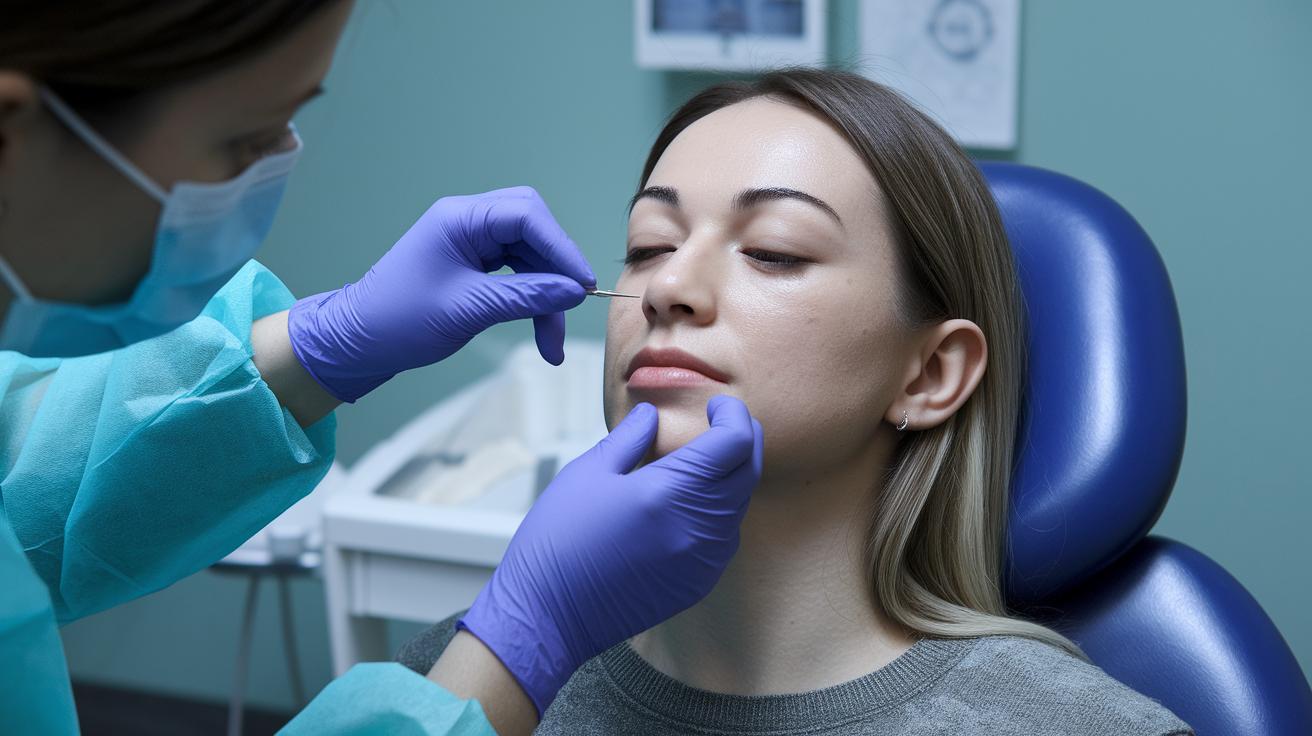
Liquid rhinoplasty is a gentle, in-office treatment that uses hyaluronic acid fillers to reshape your nose. You stay awake throughout the procedure, which makes it perfect for making small tweaks like smoothing out the nasal bridge or refining the tip. The results usually last for a few months, so you can enjoy a fresher look without committing long-term.
Here are some non-surgical options:
• Liquid rhinoplasty with hyaluronic acid fillers
Pros: Offers a subtle change with little to no downtime.
Cons: The effects are temporary, typically lasting only a few months.
• Nasal filler treatments for enhancing the bridge and tip
Pros: A quick procedure that gives immediate results with minimal discomfort.
Cons: You may need repeat sessions to keep the same look over time.
• Minimally invasive nose reshaping techniques
Pros: These office-based treatments avoid surgery and long recovery periods.
Cons: They can only make limited adjustments compared to surgical options.
These alternatives provide a less invasive way to boost your look. With short office visits and quick recovery, you can get back to your daily routine while enjoying noticeable improvements for several months before considering a touch-up.
Final Words
In the action, we explored the ins and outs of plastic surgery for nose, outlining key techniques, the detailed procedure, and post-operative care. We broke down both surgical and non-surgical options while weighing realistic benefits with potential risks.
We also shared insights on financing, before-and-after results, and choosing a board-certified surgeon. Every piece of information here is meant to help you form an informed view on your transformation options. Keep hope high and move forward with confidence in your aesthetic journey.
FAQ
What is the cost of different types of nose surgery, like rhinoplasty and nose bridge surgery?
The cost of nose surgery varies by procedure type, surgeon fees, and facility charges. Prices can range from a few thousand dollars for cosmetic work to higher amounts when functional corrections are involved.
What nose surgeries help to breathe better and treat a deviated septum?
Procedures designed to improve breathing include septorhinoplasty and septoplasty, which correct a deviated septum while also refining nasal shape. These techniques enhance airflow and offer both functional and aesthetic benefits.
Is rhinoplasty considered plastic surgery, and is it the most common nose procedure?
Yes, rhinoplasty is a type of plastic surgery and one of the most common procedures performed on the nose. It addresses both cosmetic enhancements and breathing difficulties for improved overall nasal function.
Is rhinoplasty dangerous?
Rhinoplasty has inherent risks, but complications are low when performed by board-certified surgeons. The procedure is generally safe, and proper preoperative tests help reduce potential hazards.
Is nose plastic surgery painful?
Nose plastic surgery typically involves mild to moderate discomfort, which is managed with prescribed medications. Patients often experience manageable pain levels during the recovery period, enabling a smoother healing process.


