Ever wondered if a tiny change might boost your confidence? Cosmetic procedures do more than just enhance your looks. They can restore function and balance after an accident or health issue.
These treatments mix careful science with a touch of art, think of it like gently fine-tuning your features. The goal is to help you feel more like your true self and enjoy a natural lift in self-esteem.
In this article, we’ll share how these procedures create meaningful improvements that go far beyond the surface.
Plastic Surgery Procedures Elevate Your Confidence
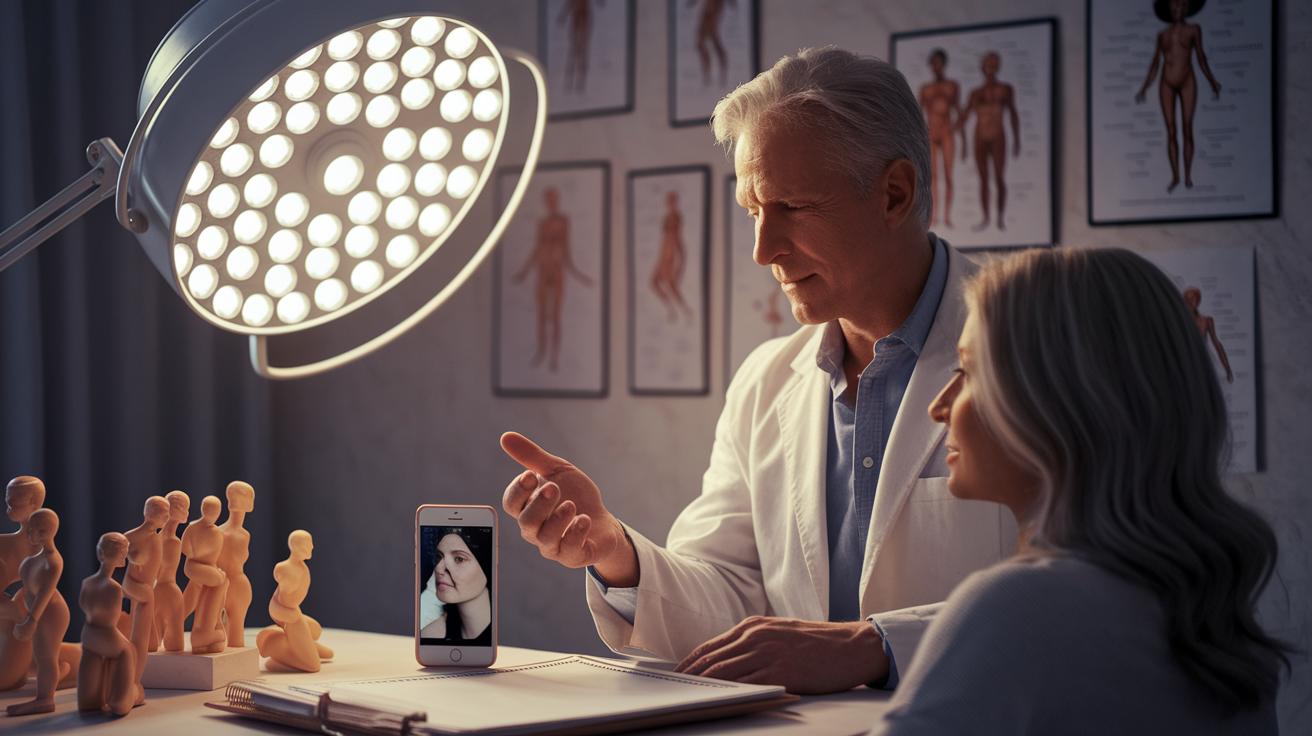
Plastic surgery procedures can really boost your confidence. They cover both elective cosmetic fixes that refine your appearance and balance your features, and reconstructive operations that fix issues from trauma, burns, disease, or birth defects. Cosmetic surgery is all about enhancing your look, while plastic surgery also helps bring back normal form and function.
Doctors who perform these procedures finish a 3- to 5-year residency that builds a strong base in both cosmetic and reconstructive methods. And for those who focus purely on aesthetics, there’s often an extra one-year fellowship. This additional training, certified by the American Academy of Cosmetic Surgery, requires handling at least 300 individual cases. If you're curious about the training differences, check out the link "cosmetic surgeon vs plastic surgeon" for more insight.
Safety always comes first. Doctors carefully evaluate each candidate to match their unique features and goals with the right treatment. Reconstructive procedures might mean a longer recovery period when compared to cosmetic ones, but both approaches focus on minimizing risks right after surgery. Many patients notice a boost in self-esteem and quality of life after a successful procedure, feeling more confident every day as they enjoy both visible improvements and restored function.
Key Facial Plastic Surgery Procedures and Techniques

Rhinoplasty
Rhinoplasty reshapes the nose by adjusting the bone and cartilage to help improve breathing and balance facial features. Surgeons often smooth out bumps on the bridge and refine the tip using cartilage grafts, giving the nose a natural, harmonious look. Most people take about 1–2 weeks to recover. One patient shared, "A slight refinement made my features feel naturally balanced."
Blepharoplasty
Blepharoplasty improves the look and function of the eyelids by removing extra skin and fat. Depending on what you need, the surgeon may work on the upper or lower lids, hiding cuts in natural creases. This procedure not only boosts appearance but can also help clear up your vision if drooping eyelids are a problem. Usually, recovery takes around 7–10 days.
Brow Lift
A brow lift raises the position of your forehead by easing downturned brows and smoothing out lines. Surgeons can use an endoscopic method or a more traditional approach, choosing the best fit for your face. This lift can keep your brows in a better position for 7–10 years, giving you a refreshed and youthful look.
Facelift
Facelift procedures tighten the skin and underlying muscles using techniques that lift and secure the tissues. This surgery reduces sagging around the jawline and neck area, helping you achieve a natural yet lifted appearance. Normally, you can expect about a 2-week recovery period before settling back into your routine.
Scar Revision
Scar revision treatments work to diminish the appearance of old scars. Surgeons use techniques like Z-plasty or laser resurfacing to rearrange or smooth out the scar tissue. It’s best to start these procedures once the original wound has healed well, so any additional treatments, like laser therapy, can further soften the scar.
Breast Plastic Surgery Procedures: Options and Applications
Breast Augmentation
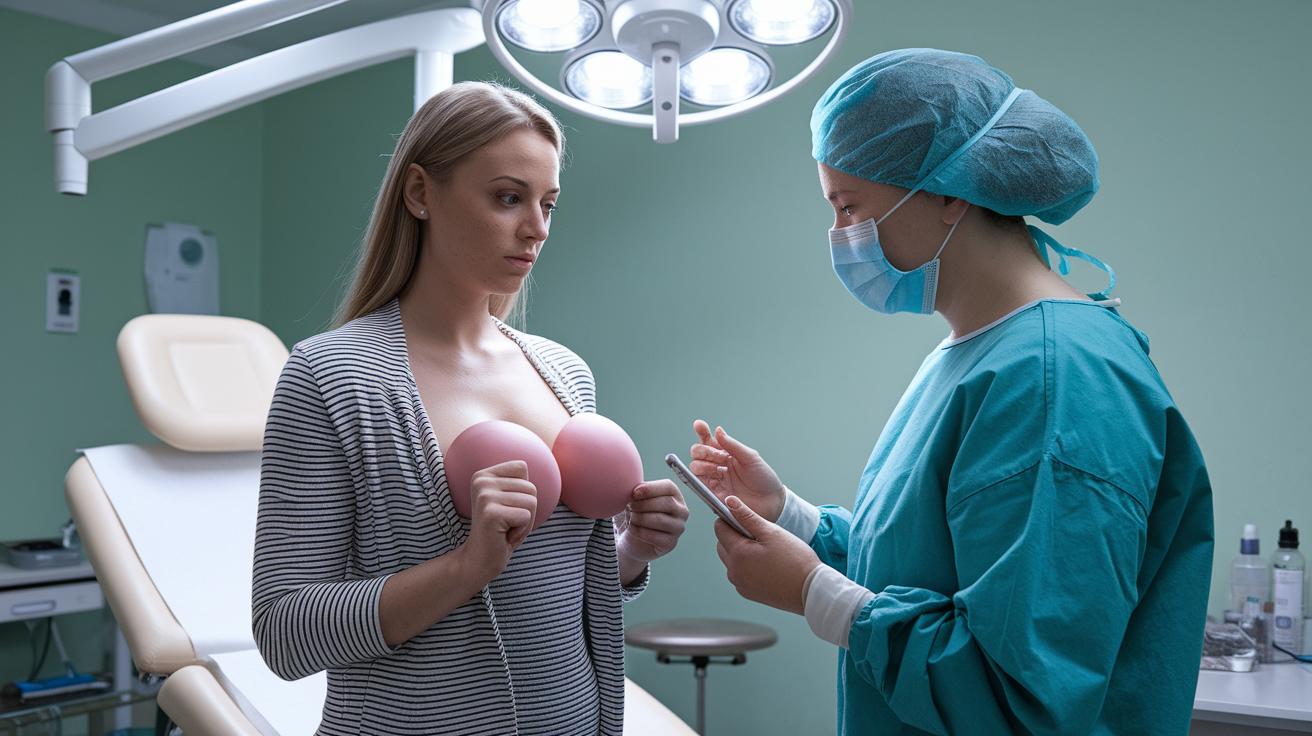
Breast augmentation uses either saline or silicone implants to add volume and improve shape. Surgeons carefully choose between placing the implant under the muscle or just behind the gland, depending on what fits best with your body and goals. They plan incisions where natural creases hide scars, so you end up with a more balanced, natural look. After the surgery, care focuses on easing swelling and discomfort, and most people feel ready to return to their usual activities in about 4 to 6 weeks. One patient shared, “The careful planning of my incisions and implant positioning helped me achieve a natural, balanced look.”
Breast Reconstruction
Breast reconstruction is designed for those who have had a mastectomy. This procedure can be done right away or delayed, using either implants or your own tissue through methods like DIEP or TRAM flaps. Sometimes, tissue expanders are used at first to prepare the area for reconstruction. This approach not only restores your physical shape but also rebuilds confidence during a challenging time.
For individuals who want to lift sagging breasts or smooth out irregularities without implants, mastopexy repositions the breast tissue for a firmer shape. Fat grafting, which uses your own fat, can also be used to add volume and create a smoother contour. These options offer a personalized way to achieve a refined and natural breast profile.
Body Contouring Plastic Surgery Procedures

Body contouring procedures help reshape your look, giving you a smoother, more balanced figure while boosting your confidence. They gently trim away stubborn fat, extra skin, and even tighten muscles that have lost their strength. These treatments are a popular choice after big weight loss, pregnancy, or just as part of aging, and they use modern methods to deliver results that feel natural.
Every treatment is personalized to match your body and personal goals, making sure you stay safe while getting the look you desire. Many patients enjoy not just a fresher appearance but also improved movement and a renewed sense of self. In short, body contouring is all about feeling good in your skin every day.
- Abdominoplasty: This procedure removes extra skin and fat from your tummy and tightens separated muscles. It’s especially useful after weight loss or multiple pregnancies.
- Liposuction: A minimally invasive method that carefully removes unwanted fat from areas like your hips, thighs, or abdomen for a more defined shape.
- Mommy Makeover: Often a mix of breast and tummy treatments, this makeover helps restore a youthful look and even out body proportions after pregnancy.
- Brazilian Butt Lift: This treatment moves your own purified fat to your buttocks, enhancing its shape and giving it a naturally fuller look without any implants.
- Lower Body Lift: Involves removing excess skin and soft tissues from your thighs, hips, and buttocks to leave you with a tighter, rejuvenated lower body.
Non-Surgical Plastic Surgery Procedures: Minimally Invasive Treatments

Injectable treatments are a fast and effective way to smooth out wrinkles and add volume. FDA-approved botulinum toxin helps relax muscles to reduce frown lines and crow’s feet, keeping your skin looking fresh for about three to four months. Meanwhile, dermal fillers, using ingredients like hyaluronic acid or calcium hydroxylapatite, restore lost volume and soften fine lines. One patient said, "A single session left my face looking refreshed and naturally smooth."
Peels and laser resurfacing give your skin a new lease on life by encouraging fresh cell growth. A medium-depth chemical peel with TCA or glycolic acid lets your skin gently peel over 7 to 10 days, which brightens your complexion and evens out your skin tone. Laser treatments, like fractional CO2 or erbium, carefully remove thin layers of skin to boost collagen production. A friend once remarked, "It felt like my skin was getting a fresh start."
Energy-based skin tightening uses radiofrequency devices to send gentle heat deep into your skin. This heat causes collagen fibers to contract and prompts new collagen to form, resulting in firmer skin with minimal downtime. One patient noted, "The gradual tightening over a few sessions really boosted my natural glow and confidence."
Postoperative Care and Recovery for Plastic Surgery

Taking good care of yourself after plastic surgery is really important. The time you need to heal can change depending on the procedure. For instance, those who have had a nose job or eyelid surgery might need about 1 to 2 weeks off work, while a facelift usually calls for about 2 to 3 weeks of rest. If you’ve had breast augmentation or an implant exchange, plan for roughly 4 to 6 weeks of recovery, and procedures like tummy tucks could take about 6 to 8 weeks before you’re back to full activities.
Right after your surgery, a few simple tips can really help the healing process go smoothly. Using ice and keeping your head raised works wonders for reducing swelling, especially after any facial work. Compression garments are also a big help after treatments like liposuction and tummy tucks, they support your body, help smooth your contours, and keep bruising to a minimum. Usually, you might start with stronger pain medicine and then move to gentler options as you get better. When it comes to scar care, starting around 4 weeks after surgery, silicone sheets along with a gentle massage can be very effective. And don’t worry, the doctor will check in with you at about 1 week, 1 month, and 3 months to make sure you’re healing properly and adjust care as needed.
| Procedure Type | Average Downtime | Key Care Steps |
|---|---|---|
| Rhinoplasty | 1–2 weeks | Ice application, head elevation, routine check-ups |
| Facelift | 2–3 weeks | Rest, proper pain control, follow-up visits |
| Breast Augmentation | 4–6 weeks | Compression garments, slowly resume activity |
| Abdominoplasty | 6–8 weeks | Scar care, gentle massage, plenty of rest |
Consultation and Cost Considerations in Plastic Surgery

Board-certified plastic surgeons work in accredited centers with modern operating rooms and specialized anesthesia teams. When you meet with them before your procedure, they check their credentials and review your personal medical history. This process helps ensure you’re in the hands of an experienced professional who values safety and quality.
During your consultation, the surgeon will perform a complete physical exam and might use simple 3D imaging or morphing tools to show you a potential outcome. They often share before-and-after photos to set clear expectations while discussing all your available options. This conversation gives you a full picture of the care process and helps explain the different factors that affect the overall cost.
- Surgeon’s fee for expertise and time spent in consultation.
- Charges from the facility for using the operating room and equipment.
- Anesthesia fees for both pre- and post-operative care.
- Costs for any implants, devices, or specialized surgical materials.
- Expenses for post-procedure supplies and follow-up visits.
Final Words
In the action, this article explored a spectrum of plastic surgery procedures, from facial refinements and breast enhancements to body contouring and non-surgical treatments. It broke down what each option entails, including key safety steps and recovery care tips. The insights on surgeon training and consultation help clear up doubts, guiding you to make well-informed choices with confidence. Every discussed procedure shows how science and care work together to support real, positive changes.
FAQ
What are the latest plastic surgery procedures?
The latest plastic surgery procedures incorporate both modern innovations and proven surgical techniques designed to enhance appearance and improve function with natural, balanced outcomes.
What are the types of plastic surgery for the face?
The types of plastic surgery for the face include procedures like rhinoplasty, blepharoplasty, brow lift, and facelift, each aiming to correct specific areas for improved symmetry and youthful contours.
What is included in a cosmetic procedures list?
A cosmetic procedures list features a range of treatments from non-surgical injectables and lasers to surgical options such as rhinoplasty, facelift, breast augmentation, and body sculpting.
What factors influence cosmetic surgery cost?
Cosmetic surgery cost depends on procedure complexity, surgeon fees, facility charges, anesthesia expenses, and postoperative care, leading to a wide range of prices based on individual needs.
Does plastic surgery use plastic materials?
Plastic surgery usually does not use plastic; instead, it reshapes natural tissue and may use implants made from silicone or saline to enhance form and restore function.
What do non-surgical cosmetic procedures involve?
Non-surgical cosmetic procedures involve treatments like Botox, fillers, chemical peels, lasers, and radiofrequency therapies that improve appearance with minimal downtime and reduced recovery risk.
How is face plastic surgery cost determined?
Face plastic surgery cost is determined by factors such as the specific procedure, extent of work required, surgeon expertise, facility fees, and the patient’s geographic location.
What qualifies as simple plastic surgery procedures?
Simple plastic surgery procedures include less invasive methods like minor scar revisions or small-volume fillers that refine appearance without extensive recovery demands.
What are the top 5 plastic surgery procedures?
The top five plastic surgery procedures often include rhinoplasty, breast augmentation, facelift, liposuction, and abdominoplasty, addressing key aesthetic and reconstructive needs.
What is the process of plastic surgery?
The process of plastic surgery involves detailed preoperative planning, precise surgical techniques to reshape tissue, and a structured recovery plan to maximize both function and appearance.
What is considered the hardest plastic surgery to recover from?
Abdominoplasty is often seen as the hardest plastic surgery to recover from due to the extensive tissue modifications and longer downtime required for complete healing.
How long does a plastic surgery procedure take?
The duration of plastic surgery varies with the procedure; minor treatments may take less than an hour, whereas more complex surgeries can take several hours, influencing postoperative recovery.


