Surgery
Post-Remediation Verification and Clearance Testing
By Headlines Team
October 6, 2026
Field Notes
|
What this covers
|
The riskiest moment on a mold job is not the removal. It is the decision that the job is done. Get that wrong and the work looks finished, the wall goes back, and the problem returns behind it a year later where nobody is looking.
A job that looks clean and a job that is finished are not the same thing, and the difference is three specific checks rather than an impression.
Finished Is Defined, Not Judged
The instinct is to call a job done when the visible material is out and the area looks and smells clean. That is a starting point, not a finish line, because the two things that decide whether the problem returns are both invisible.
The first is whether the structure behind the removed material is dry. The second is whether the air and surfaces in the contained area are back to a normal condition. Neither is something you can see, so neither is something you judge. Both are measured.
Check One: The Structure Is Actually Dry
This is the check people skip, and it is the one that brings the problem back.
Once affected material is removed, the structure behind it is usually wet, because the moisture that allowed the growth in the first place is still there. A moisture meter confirms a structure is dry against a reference, meaning the exposed framing and substrate are read against comparable dry material elsewhere in the same building, not against a feeling.
Rebuilding over wet material reproduces the original conditions. Close a wall over framing that still reads wet and you have rebuilt the exact situation that caused the job, sealed behind new drywall where it will sit undisturbed until it is a problem again. The meter reading, taken against a reference, is what stops that.
Check Two: The Area Is Back to Normal
On a job of any size, the contained space is checked against the rest of the building before it is reopened.
- A visual inspection checks cavities that were opened, confirming no affected material was left where it cannot be seen.
- Air sampling measures particles in a contained space, compared against an unaffected area of the property, to confirm the air is back to a normal baseline.
- Surface checks confirm the cleaned materials are actually clean, not just clean-looking.
The principle is comparison. A result from the contained area only means something next to a result from a space that was never affected, which is why clearance testing compares a contained area to an unaffected area rather than against an absolute number.
Check Three: Someone Other Than the Remediator Signs It Off
This is the part that surprises people, and it is standard practice rather than a sign of distrust.
On larger jobs, independent testing separates the remediation from the sign-off. The party that did the removal is generally not the party that runs the clearance test, for the same reason you do not grade your own work. That separation is the norm on any job of size, and a remediation plan that has the same party doing the work and certifying it is the plan worth questioning.
For a smaller job where full sampling is not proportionate, the first two checks still apply. A visual inspection and a meter reading against a reference cost almost nothing and give a defensible answer to the only question that matters later: was the space dry and clean before it was closed.
|
Check |
What it confirms |
How |
|
Structure dry |
Moisture will not feed new growth |
Meter against an unaffected reference |
|
Area normal |
Air and surfaces back to baseline |
Visual, air sampling, surface checks |
|
Independent sign-off |
The work was verified, not assumed |
A separate party clears the job |
The Los Angeles Timing Factor
Local building stock stretches the first check. Plaster over lath, common in the older parts of the city, holds moisture longer and releases it more slowly than modern drywall, so the drying stage after removal runs longer here than a generic estimate suggests. A plaster job cleared on a drywall timeline is a job cleared while the structure is still wet.
The meter settles it. The calendar does not, and in older Los Angeles housing the calendar is more optimistic than the material.
Renting the Stage People Skip
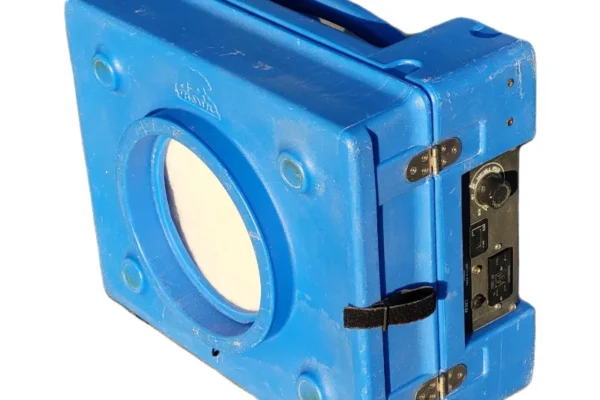
Because the drying check is the one that gets rushed, the equipment for it matters. Mold remediation equipment rental that includes the dehumidifiers and air movers for the drying stage, not just the scrubbers and containment for the removal, is what lets a job reach a real finish rather than a visual one. A supplier holding both sides together keeps the drying stage from being the afterthought that undoes the work. The Los Angeles service area is on the Google Business Profile.
Why the Drying Check Is the One That Gets Skipped
Of the three checks, the structure-dry reading is the one most often rushed, and the reason is human rather than technical. By the time drying matters, the dramatic work is done. The affected material is out, the area looks and smells clean, and everyone involved is ready to call it finished and rebuild.
The drying stage has no visible payoff. It is a machine running against framing that already looks fine, and a meter reading that has to come down to a number nobody can see. The pressure to skip ahead is strongest at exactly the point where skipping does the most damage, because the structure that reads dry on day three in older material may still be wet on day ten.
A job cleared on how it looks, rather than how it reads, is a job that passed two of the three checks and failed the one that decides whether the problem returns.
What a Defensible Finish Looks Like
A mold job that is properly closed out leaves a short record, and it is worth keeping for the same reason the readings on a water loss are. A dated moisture reading on the structure against an unaffected reference. A note or a report from the clearance, whether that is a full air sample on a larger job or a documented visual and meter check on a smaller one. And, on a job of size, the name of the independent party that signed it off.
That record is what separates a job that was finished from a job that was declared finished. It answers the only question that comes up later, which is whether the space was actually dry and clean before it was closed, and it answers it with numbers rather than an assurance.
|
Record kept |
What it proves later |
|
Dated moisture reading against a reference |
The structure was dry |
|
Clearance note or air sample result |
The area was back to baseline |
|
Name of the independent sign-off |
The work was verified, not assumed |
The Equipment That Makes the Finish Possible
None of the three checks can be met without the right equipment through the whole job, and the drying side is the part people under-rent. The containment and the scrubbers get the attention because the removal is the visible work. The dehumidifiers and air movers that dry the exposed structure afterward are the ones that let the job actually reach a clearance, and they are the ones left off the list when the rental is scoped to the removal alone.
A job equipped only for removal reaches a point where the material is out and the structure is still wet, and then the drying equipment has to be sourced separately, mid-job, which is how the drying stage becomes the afterthought that undoes the work. Equipping for the whole job from the start, removal and drying together, is what makes a real finish possible rather than a visual one.
Planning the Job Around the Finish, Not the Removal
The way to reach a real clearance is to plan the whole job backward from it, which means resourcing the drying stage as carefully as the removal. A plan that scopes the scrubbers, containment and labor for the removal, and treats the drying as a follow-on, reaches the point where the material is out and the structure is wet with no machines on hand for it.
Planning from the finish means the dehumidifiers and air movers are on site and ready to run the moment removal is done, so the drying starts immediately rather than after a gap while equipment is found. It means the moisture meter is part of the kit, so the finish is read rather than guessed. And on a job of size, it means the independent clearance is arranged in advance, not scrambled for at the end.
A job planned this way reaches a defensible finish: structure dried to a reading, area checked against an unaffected one, sign-off by someone who did not do the work. A job planned only to the removal reaches a point where everything looks done and the one check that matters, the structure being dry, has no equipment behind it. The difference between the two is whether the drying stage was treated as part of the job or as an afterthought, and that is decided when the equipment is scoped, not when the removal is finished.
The Short Version
A mold job finishes when the structure reads dry against a reference and the area checks out against an unaffected one, confirmed by someone who did not do the work. It does not finish when it looks clean. The gap between those two is where the problem comes back.