Surgery
After TEDx, Dr. Steven R. Cohen’s Bet on Regeneration Shows What Creativity Looks Like in Aesthetic Medicine
By Sculpt Tell
November 19, 2026
Field Notes
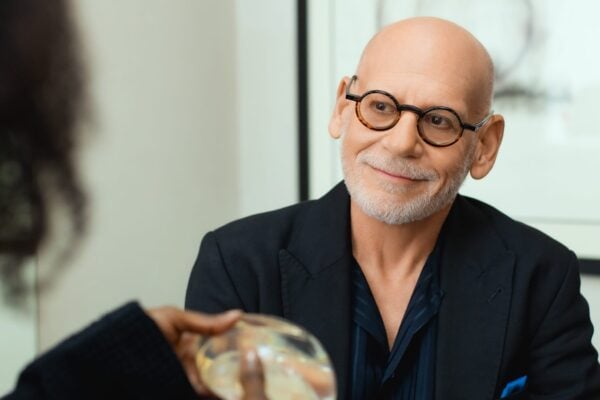
Dr. Steven R. Cohen spoke at TEDxClemsonU on September 26, 2026 about creativity and the role it plays in discovery. In his day job at FACES+, his San Diego practice, the clearest example of the idea is the direction he has pushed aesthetic surgery: away from pulling skin tight and filling hollows with synthetic product, toward restoring the tissue itself.
Dr. Cohen’s talk, titled “How Creativity Can Save Your Life”, can be watched in full on YouTube.
Rethinking fat
For most of its history, fat grafting was treated as a filler, a way to move volume from one place to another. Dr. Cohen asked a different question about the same material. Fat carries a dense population of regenerative cells. If it is processed and placed correctly, could it improve the health of the tissue around it as well as its shape?
That question produced two things. The first is the Lipocube, a device he co-created that processes a patient’s fat into a fine, concentrated graft suitable for the face. The second is Injectable Tissue Replacement and Regeneration, the technique known as ITR², which uses that graft to rebuild facial structures lost to age. His presentation on the method won the Tiffany award for best scientific presentation at the American Society for Aesthetic Plastic Surgery’s 2017 annual meeting.
According to the practice, studies of ITR² have shown 80 percent facial volume retention two years after treatment in patients under 55, against the roughly 35 percent typically reported for conventional fat grafting.
Paired with surgery, not instead of it
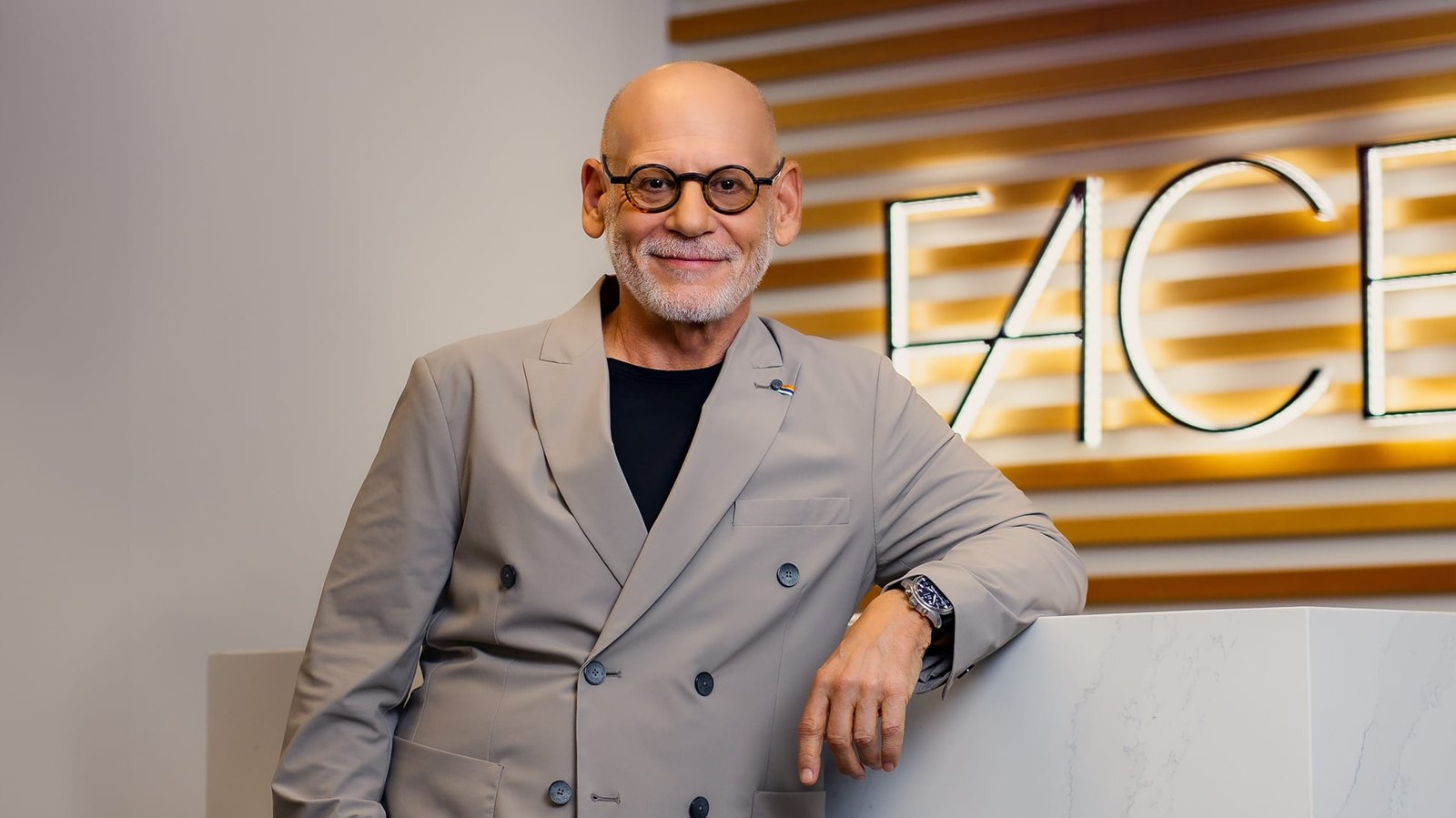
At FACES+, regenerative grafting is often combined with a facelift. The lift repositions; the graft restores volume and improves skin quality. The aim, as the practice puts it, is a result no one can identify as surgery.
Dr. Cohen’s view of what patients want shapes that aim.
“People don’t actually want to look younger.”
They want to look like themselves on a good day. That rules out the overfilled, overpulled look that gives the specialty a bad name, and it puts the emphasis on tissue quality rather than tightness.
The scientific standing
Dr. Cohen serves as section editor for Fat Grafting and Stem Cells at the Aesthetic Surgery Journal, one of the field’s main peer-reviewed publications. The role puts him at the center of how new regenerative work is judged before it reaches patients.
The link to the talk
Regenerative aesthetics did not come from small improvements to existing fillers. It came from looking at a familiar material and asking what else it could do. That kind of reframing is what Dr. Cohen meant by creativity at Clemson, and it is the habit he urged the students there to protect.
Dr. Cohen is a Clinical Professor of Plastic Surgery at UC San Diego. More information is available at facesplus.com.