Have you ever felt unsure about what to expect after plastic surgery? Instead of a long, vague wait, recovery can be broken down into clear, simple steps. At first, you take a few days to rest, then you start with light activities, and eventually, you get back to your regular routine.
In this post, we walk you through each stage of healing so you know what comes next. This step-by-step guide makes the journey less intimidating and helps you feel informed and confident about your progress.
Plastic Surgery Recovery Timeline: Stages and Key Milestones

A clear recovery timeline is like a roadmap for anyone healing after plastic surgery. It explains what to expect at each step, so you know when it's time to move from complete rest to gentle activities and eventually back to your regular daily routine. This plan helps distinguish between feeling well enough to resume daily tasks and actually being fully healed when swelling, bruising, and scars have all faded. Knowing this can ease your worries and help you stick to your aftercare guidelines without any surprises.
| Stage | Timeline | Key Considerations |
|---|---|---|
| Initial | Days 1–7 | High swelling and discomfort; strict rest with minimal movement |
| Intermediate | Weeks 2–6 | Swelling begins to go down; start gentle activities; often wear compression garments for 4–6 weeks (especially after liposuction or tummy tuck) |
| Long-Term | 3–12 months | Scars mature, collagen remodels, and final aesthetic results appear |
Different procedures may change the timeline a bit. For instance, someone who has had nose surgery might remove their splint in 5 or 6 days. Meanwhile, breast augmentation patients might find they can return to desk work in just 3 days. If you’ve had a facelift, you could be back at work by day 10, and someone who had a tummy tuck might wait about 6 weeks before resuming full exercise. Even if you start feeling like your old self early on, complete healing, including the fading of bruises and swelling, can take several months. That’s why extra support and following personalized aftercare instructions are so important for the best long-term results.
Pain Management During Recovery After Plastic Surgery
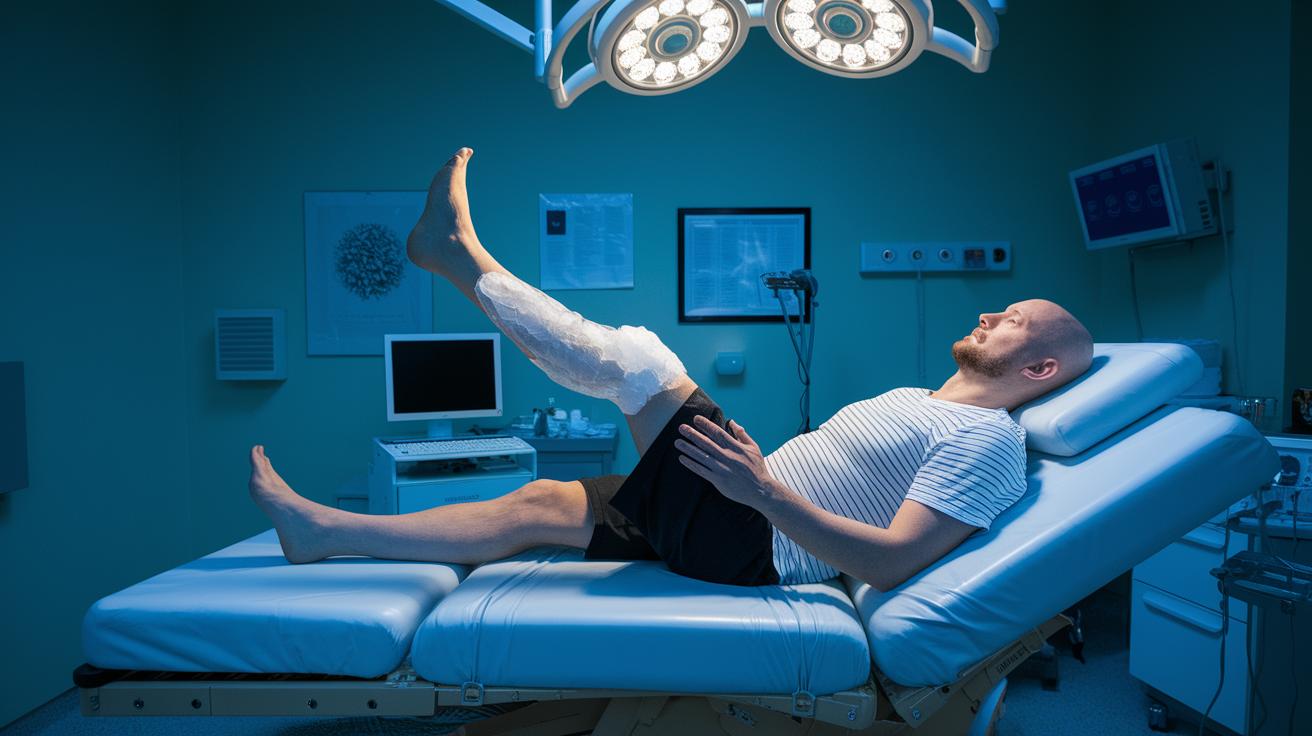
Right after your surgery, pain usually hits its peak, and it’s completely normal to feel the most discomfort in the first few days. Many patients start with prescription opioids during the initial 48–72 hours to tackle severe pain. Then, as you move into the second to fourth week of recovery, you might switch to easier options like ibuprofen or acetaminophen to help keep things under control without relying too much on stronger drugs.
Along with these medications, simple steps such as using ice packs for a little cryotherapy, wearing compression garments to keep swelling down, and elevating your limbs to boost blood flow, can really make a difference.
| Treatment | Details |
|---|---|
| Prescription opioids | Used in the first 48–72 hours to manage severe pain |
| NSAIDs (ibuprofen or acetaminophen) | Often recommended during weeks 2–4 for pain relief |
| Cryotherapy | Ice packs applied for 20 minutes at a time to reduce swelling |
| Compression garments | Helps control edema and supports recovery |
| Rest and limb elevation | Aids in improving blood flow and reducing pain |
It’s really important to follow the prescribed taper schedule provided by your surgeon. These clear guidelines help manage pain effectively while keeping side effects to a minimum. And if you ever feel like the pain is too much or you notice changes around your wound, don’t hesitate to reach out to your surgeon right away.
Compression Garments and Wound Management During Plastic Surgery Recovery

Wearing compression garments is a key part of your recovery after plastic surgery. For treatments like liposuction or a tummy tuck, you might need to wear them for about 4 to 6 weeks, while those who have had breast procedures usually wear them for 1 to 2 weeks. These garments help reduce swelling and support the healing tissues. In simple terms, they apply gentle pressure that nudges fluid away from the treated area, which makes swelling less of an issue.
Taking care of your wound is just as important. Your surgeon will likely suggest changing your dressing every day. This usually means using a mild saline solution to wash away any debris, then applying an antibiotic ointment to help keep infections at bay. Keeping the wound clean and dry until it seals, usually in about 10 to 14 days, creates a safer environment that helps prevent irritation.
Following these aftercare steps closely is your best bet to avoid problems like hematomas, seromas, or infections. It also means steering clear of baths or pools until your incisions are completely healed. Doing so not only speeds up your recovery but also paves the way for the best long-term results.
Safe Resumption of Physical Activity After Plastic Surgery

After plastic surgery, it's important to balance rest with gentle movement to help your body heal. In the first few days, your focus should be on resting as you start to recover. But many doctors recommend taking a slow, light walk within 24–48 hours after your procedure. This simple step can help lower the risk of blood clots and reduce swelling by boosting your lymphatic flow. It’s a bit like waking up from a long nap, starting slow makes all the difference.
Think of these early walks as a gentle way to reconnect with your body. Even a short stroll around your home can work wonders during the first week by helping your tissues adjust to movement. And you might find that a few minutes of light stretching or other low-impact activities can really keep stiffness at bay. It’s all about giving your body time to adapt while gently easing back into daily life.
As you move forward, your activity level will gradually increase. By the second week, you might add a few more stretches to your routine. Then, around four weeks after surgery, moderate cardio exercises can be a good idea. Finally, once your surgeon says it’s safe, usually after six to eight weeks, you can start strength training. Following these steps and checking in with your surgical team will help you rebuild strength while keeping swelling and discomfort under control.
Nutrition and Hydration Strategies for Optimal Recovery After Plastic Surgery

Protein is key when your body is trying to mend itself after surgery. Foods like lean meats, dairy, and beans give you the amino acids needed to build collagen, which supports skin repair. Including these in your meals can help your body heal faster and possibly shorten your downtime. For example, you might start your morning with an egg white omelet and a side of fresh fruit.
Bright fruits like berries and citrus, along with vegetables such as spinach and peppers, are full of vitamins C and E that help your skin regenerate and strengthen your immune system. Whole grains and healthy fats from avocado and nuts provide long-lasting energy and help keep your cells strong. If you're looking for more meal ideas, you can check out some simple healthy eating recipes.
Staying well-hydrated is just as important during recovery. Drinking 8 to 10 glasses of water a day improves circulation and makes sure that healing tissues get the nutrients they need while also helping to reduce swelling. Keeping your body hydrated is a must at every step of your recovery journey.
Mental Well-being and Emotional Support in Plastic Surgery Recovery

Recovering from plastic surgery can bring up a mix of feelings. It’s normal to feel anxious or a bit down while you heal. When you notice these emotions changing how you experience recovery, think of them as natural signals from your body and mind.
Taking a few minutes to practice mindfulness or guided visualization can really help lower stress. Try some slow, deep breathing or quiet reflection, it might feel like a gentle reset for your mood. You might even explore simple mindfulness techniques to ease anxiety and clear your mind during recovery.
Talking openly with your surgeon, friends, or family can make a big difference too. Sharing your worries not only sets clear expectations but also makes you feel less alone. And if you feel you need extra help, consider reaching out to a professional counselor or joining a support group to build a strong network as you continue to heal.
Follow-Up Visits and Long-Term Evaluation of Plastic Surgery Recovery

Having a clear follow-up plan is key for a smooth recovery. After your surgery, you’ll usually see your doctor one week later to have your stitches removed. Then, around one month, they check for any lingering swelling. By three months, your scars get a closer look to ensure they’re healing properly, and at about 12 months, a final review of your overall results is done. These regular visits help your surgeon keep track of your progress and adjust your care if needed.
Noticing the little changes in your healing can make a big difference. Watching bruises fade, scars slowly flatten, and body contours refine gives you valuable feedback. It’s a process that comforts you and helps your doctor decide if any extra steps are needed.
Taking care of scars is also an important part of the journey. Sometimes, a doctor might recommend a small scar revision between six and 12 months to improve how things look. Keeping up with your aftercare routine and having a supportive medical team by your side is essential. If you’re curious about facial procedures, check out Facial Plastic Surgery.
Final Words
In the action of guiding patients through recovery after plastic surgery, this article broke down key phases, from the early days of swelling and controlled movement to later stages of physical activity, nutrition, and mental wellness. It highlighted effective pain control, proper wound care, and the importance of follow-up visits for sustained healing. Each step, from using compression garments to supporting emotional well-being, builds a foundation for safe recuperation. Positive progress is possible when patients follow these timelines and care protocols, helping them make informed decisions for a brighter, healthier future.


