Have you ever thought that technology might become your personal beauty expert? Today, AI in aesthetic medicine uses detailed imaging and smart diagnostics to adjust treatments with care. Imagine a clinic where every scan picks up even the tiniest skin change, allowing your care to evolve as you do. This clever use of tech cuts down wait times and brings customized treatments within reach. In this article, we take a friendly look at how digital tools are reshaping cosmetic care, offering smoother services and better results for both patients and their doctors.
Enhancing Aesthetic Medicine: AI Applications, Benefits, and Patient Outcomes
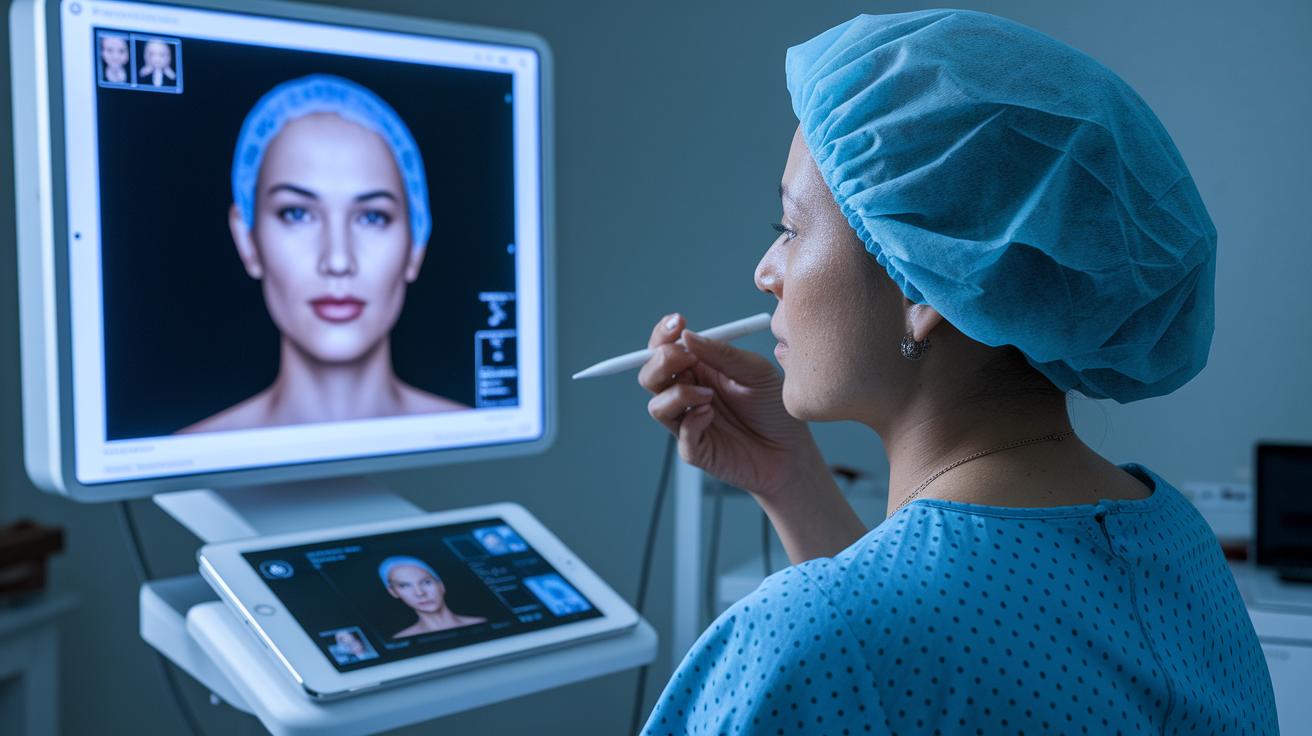
AI is changing the game in aesthetic medicine. It makes it easier for patients to connect with their doctors and helps clinics plan treatments more effectively. Imagine getting a text reminder that not only confirms your appointment but also shares personalized tips for after your laser treatment.
AI also speeds up the check-in process. By cutting down on paperwork and long waits, clinics can focus more on providing great care. These smart tools take a close look at your skin and facial features, almost like a high-resolution camera that spots every little detail, so your treatment can be perfectly tailored to you.
Then there’s the magic of advanced 3D imaging. This technology goes beyond traditional methods by offering a much clearer, detailed view of your skin. For example, a high-definition scan might spot changes in pigmentation and texture, guiding your doctor to choose a gentle, noninvasive rejuvenation plan that’s just right for you.
This digital shift in beauty care boosts both your experience and your safety. Clinics embracing AI are finding that patients are happier, stick around longer, and see better results from their treatments. In short, AI is truly a game changer in cosmetic medicine, streamlining processes and delivering high-quality, personalized care you can trust.
Smart Aesthetic Diagnostics: AI-Driven Skin Analysis and Precision Imaging

Today’s AI tools use high-resolution images to study your skin closely. They can spot very small details like fine lines, uneven skin tone, or slight bumps. Imagine a scan that picks up a tiny wrinkle before it even catches your eye.
These smart systems use neural networks to compare your skin images with lots of data. This lets doctors create treatment plans just for you.
They also update in real time. This helps your doctor watch how your skin changes and adjust your plan as needed. Think of it like putting together a little puzzle where every mark helps shape your treatment.
| Benefit | How It Works |
|---|---|
| Early Detection | High-resolution scans pick up even small skin changes |
| Precise Analysis | Neural networks check images against large data sets |
| Personalized Plans | Real-time updates help tailor treatments to your skin |
Algorithmic Treatment Personalization: Virtual Simulation and Procedure Planning
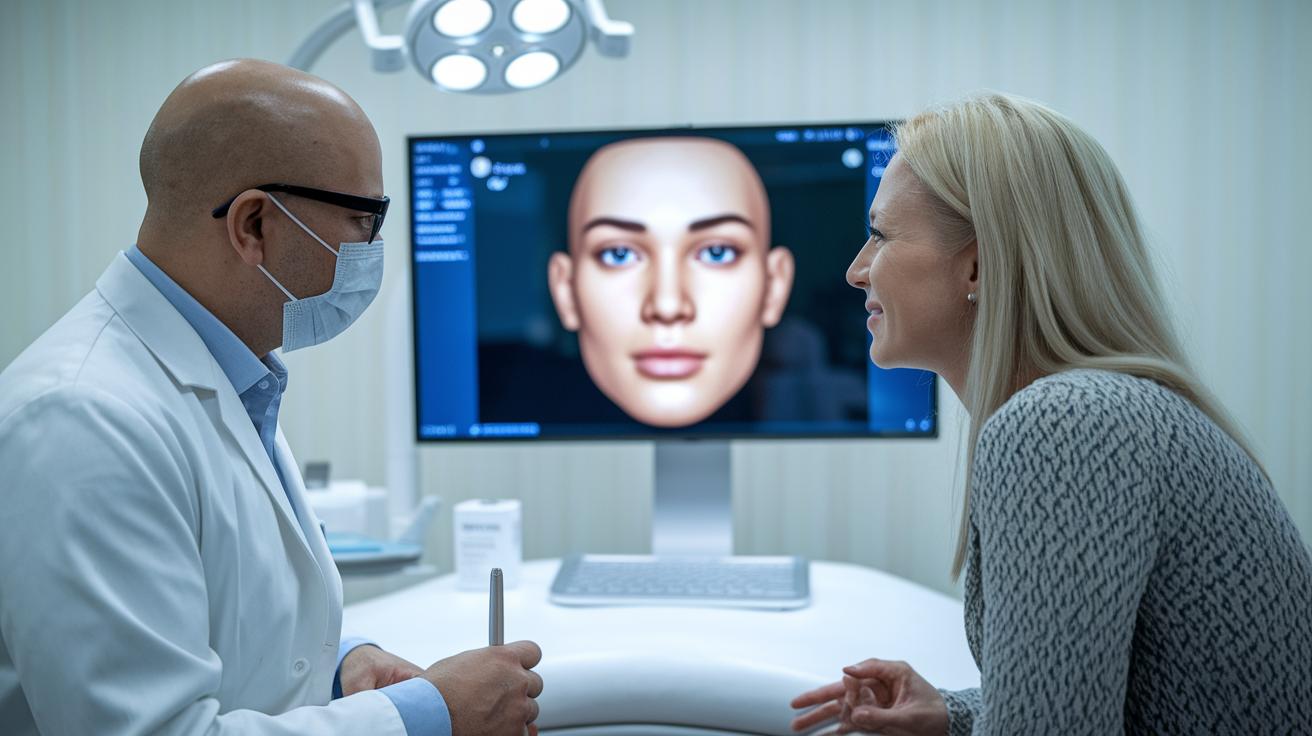
AI has completely changed how doctors plan injectables and contouring procedures. With virtual 3D modeling tools, doctors can preview results without needing to perform tests on you first. Think about it like this: you can see exactly how facial injectables might balance your features before any needle is used. This gives you more confidence and builds trust between you and your provider.
Platforms such as Aesthetic Illusions AI power these virtual consultations by creating dynamic models that update in real time. They predict how each person might react to treatments like botulinum toxin and fillers using outcome modeling. This gives you a clear look at potential results and helps your doctor make small tweaks for a natural, balanced look.
It’s not just about getting a pretty picture on the screen, it’s also about safety. Picture planning a detailed art project: every little detail counts. With virtual simulation, doctors can adjust the dosage and placement of injectables, which can help improve facial symmetry and lower the risk of any problems during the treatment.
Plus, these digital tools make it easier for you and your doctor to have a meaningful discussion about your goals. They work like a digital blueprint, showing step-by-step what needs to be done to reach the look you want with both accuracy and confidence.
Optimizing Aesthetic Procedures: AI in Laser, RF, and Combined Therapies
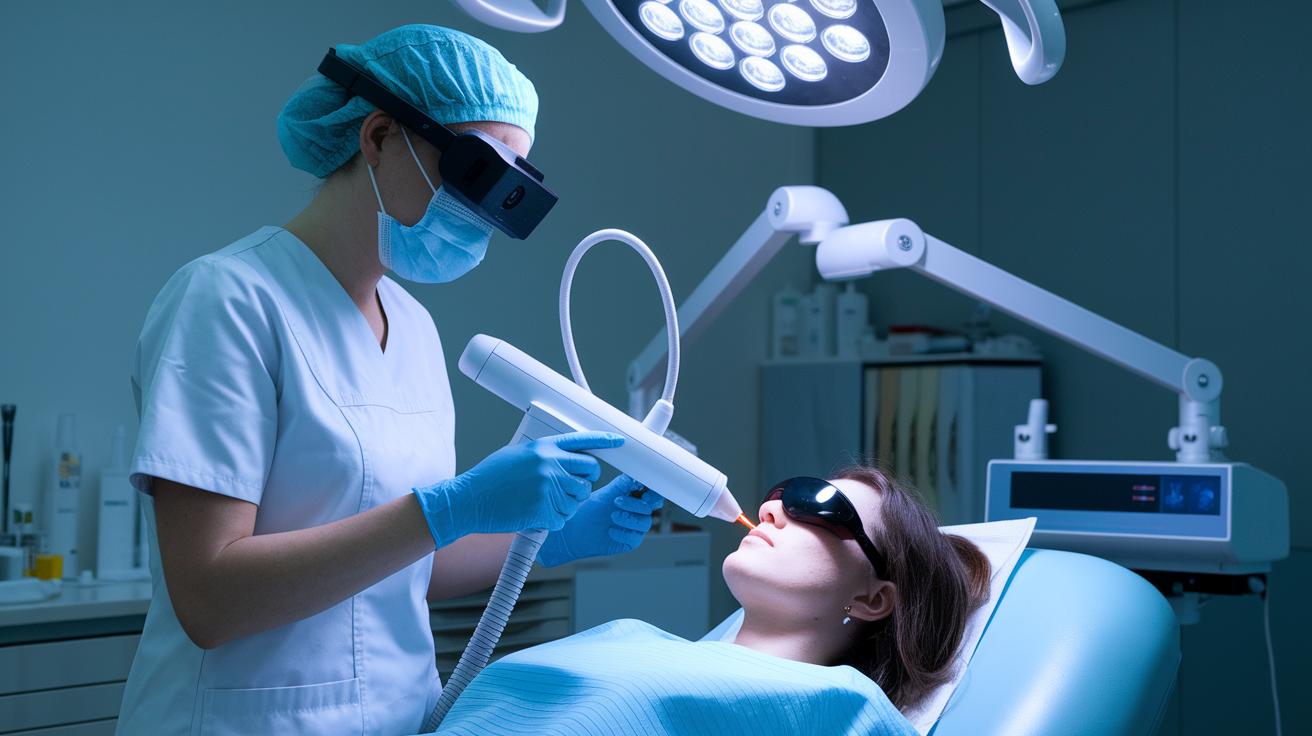
AI is quietly revolutionizing energy-based treatments in aesthetic medicine. It tweaks laser settings on the fly, making sure the energy is evenly spread, kind of like a conductor guiding an orchestra with perfect timing. Imagine a laser that senses when to adjust its power with every pulse, which helps make treatments smoother and outcomes more predictable.
Radiofrequency and ultrasound tools are also stepping up their game with AI. They look back at previous session data to fine-tune each treatment session, encouraging collagen production while targeting your skin precisely. Think of it as a smart helper that remembers your past treatments and nudges things in the right direction for firmer, rejuvenated skin.
With combination therapies like microneedling with radiofrequency and PRP (platelet-rich plasma, a treatment using your blood’s platelets to boost healing), AI is making big strides. Machine learning refines these processes to promote skin regeneration and keep recovery time short. It’s like having a seasoned artist carefully layering subtle strokes to bring out the best in your skin tone and texture.
At its core, using AI in these energy-based treatments isn’t just about high-tech gadgets. It’s about providing safer, more efficient, and truly personalized care. This smart approach helps clinicians offer results that are not only consistent but also finely tuned to your needs, ensuring your skin receives the utmost care.
Data-Driven Aesthetic Medicine: AI Clinical Decision Support and Safety Monitoring

AI is changing how we approach cosmetic treatments. It gathers details like age, treatment history, and results to create a kind of digital roadmap, helping doctors choose the best plan for you. Imagine it as a helpful guide that reviews many cases to figure out what might work best for someone with your unique background.
Predictive algorithms add another layer of safety by spotting potential issues before a procedure even starts. They work like an early warning system, watching over every detail and suggesting adjustments if something doesn’t add up. This extra check helps doctors tweak their plans early on, keeping your treatment safe and sound.
Automated follow-up tools keep track of your recovery as well. Think of these tools as a digital assistant that checks in on your healing process, making sure everything is moving in the right direction. If your progress starts to stray outside the normal path, the care team is alerted and ready to step in.
| Function | Benefit |
|---|---|
| Data Aggregation | Customized treatment protocols |
| Predictive Monitoring | Early flagging of potential issues |
| Automated Follow-Ups | Timely intervention during recovery |
Future Prospects in Aesthetic Medicine: AI Innovations and the Digital Evolution
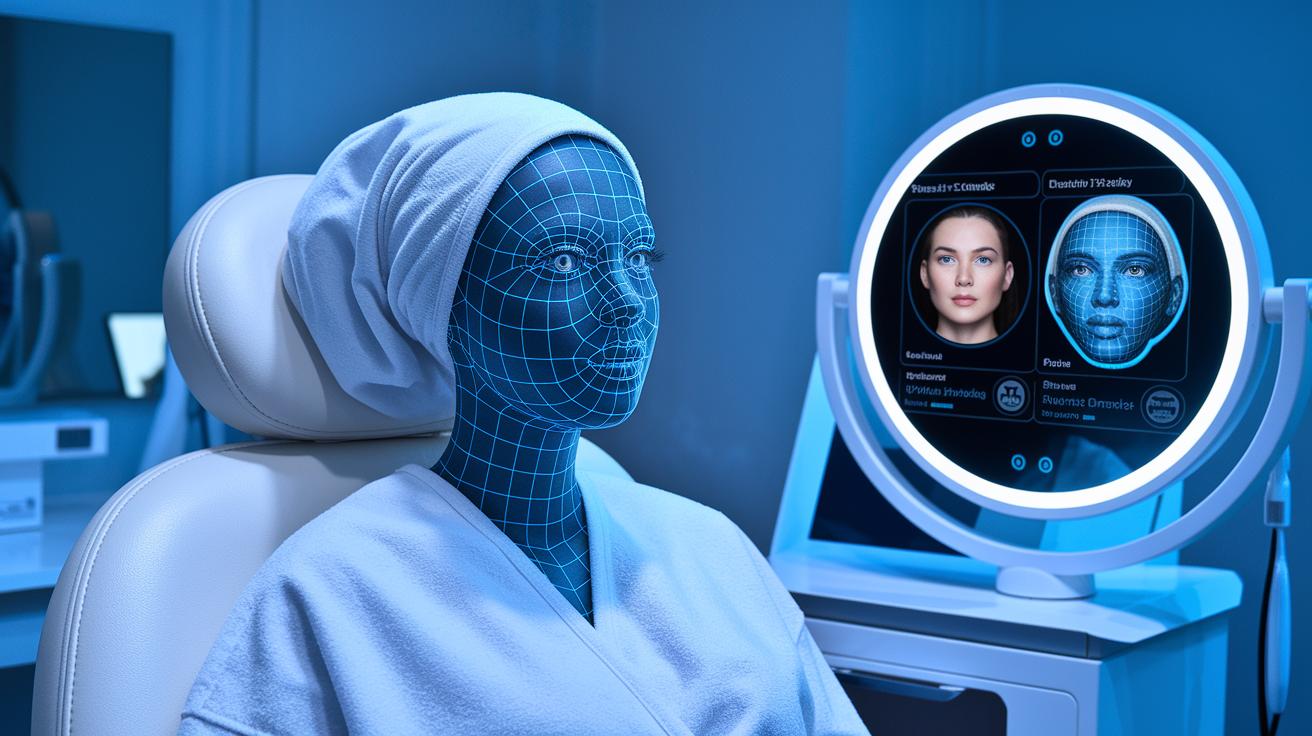
Researchers are now exploring deep learning-driven noninvasive lifts that could reshape your facial contour without surgery. Imagine technology that gently scans your face with AI to map out the best lifting techniques, meaning fewer invasive procedures for you. In addition, automated beauty mapping is emerging. It collects details about your skin and curves so that treatments can be uniquely designed for you. Did you know that before modern imaging, precise facial mapping was almost impossible? Today, AI builds a clear, personalized blueprint for beauty.
Augmented reality is also stepping in. Picture a smart mirror that shows you the potential changes while you sit for injectable procedures. This innovative technology gives your practitioner the ability to adjust the placement and volume of treatments as you watch, making the process interactive and easy to understand.
Robotics-assisted cosmetic treatments are in clinical trials and promise to bring even more precise and controlled care. These advanced systems work like an extra pair of skilled hands, using big data collected over time to guide every move. By analyzing a wealth of patient information, these big data efforts help create beauty routines that are as unique as you are.
This digital shift is more than a peek into tomorrow. With AI at the heart of these innovations, aesthetic medicine is quickly becoming safer, more personalized, and incredibly efficient.
Final Words
In the action of exploring AI in cosmetic treatments, we saw how smart imaging, virtual consultations, and data-driven monitoring are changing the scene. Each section revealed ways to personalize care, improve safety, and streamline processes.
The role of ai in aesthetic medicine shines through every advancement. This innovative approach promises a safer, more precise future, making the next steps in aesthetic transformation feel exciting and hopeful.
FAQ
What role does AI play in aesthetic medicine and cosmetic dermatology?
The role of AI in aesthetic medicine and cosmetic dermatology involves automating patient interactions, refining skin analysis through precision imaging, and personalizing treatment plans based on data-driven insights.
How does AI contribute to medicine and personalize treatment plans?
AI contributes to medicine by processing large amounts of patient data, forecasting treatment outcomes, and tailoring protocols to each individual’s needs for safer, more personalized care.
What role does AI serve in dermatology?
AI in dermatology employs advanced imaging techniques and neural network analysis to identify skin irregularities, optimize diagnostic accuracy, and support targeted treatment strategies.
Is AI assistance in aesthetic medicine aligned with objective medical standards?
AI assistance in aesthetic medicine adheres to objective medical standards by using evidence-based protocols, real-time monitoring, and predictive analytics that promote consistent and safe treatment outcomes.


