Do everyday products sometimes make your skin act up? You’re not alone. Many people with sensitive skin notice changes like itching, redness, or a tingling feeling after using their regular products.
In this post, we explore reasons why your skin might react this way. We also share gentle care routines and practical tips to help soothe your skin and bring back that natural glow so you can feel comfortable every day.
Sensitive Skin: Embrace Calm, Radiant Care
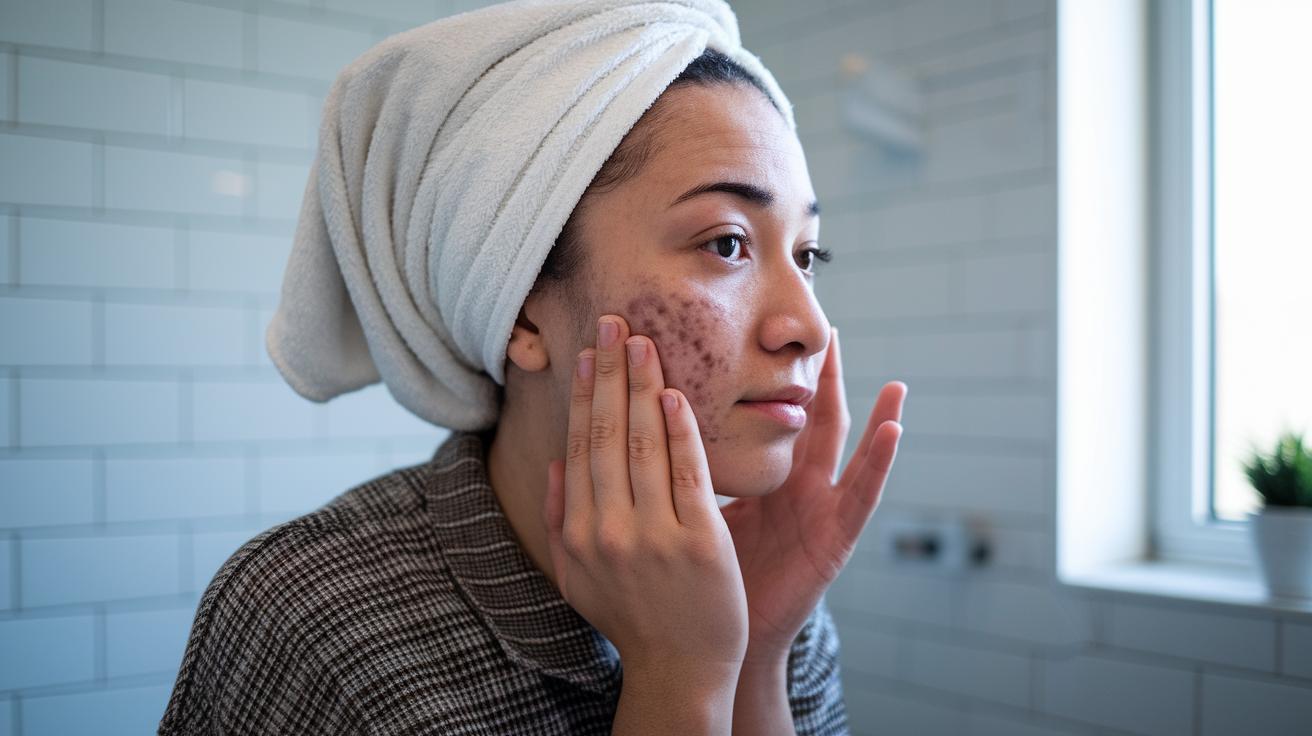
Sensitive skin is a condition that reacts quickly and strongly to everyday factors. It isn’t only about how your skin looks, it also affects how comfortable you feel. Our skin is the body’s largest organ and helps protect us from the world around us. When you have sensitive skin, even regular products or minor temperature changes can lead to discomfort. For instance, a new moisturizer might cause a gentle tingling, a clear sign that your skin needs extra care.
Key signs of sensitive skin include itchiness, redness, flakiness, irritation, and dryness. Itchiness can feel like a soft tickle or an urge to scratch that grows stronger. Redness appears as warm, inflamed spots, while flakiness means small bits of skin begin to peel away. Irritation can happen fast when your skin meets harsh substances. And even if dryness is common, in sensitive skin it often comes with a burning feeling. Each of these clues tells you that your skin could do with some tender, nurturing care.
Sensitive skin is not just about lacking moisture, as in regular dry skin. With sensitive skin, the protective outer layer is weakened, making it easier for everyday stressors to trigger a reaction. This compromised barrier means your skin overreacts to small changes. That’s why using gentle products and routines that soothe and rebuild your skin is so important.
Common Triggers of Sensitive Skin
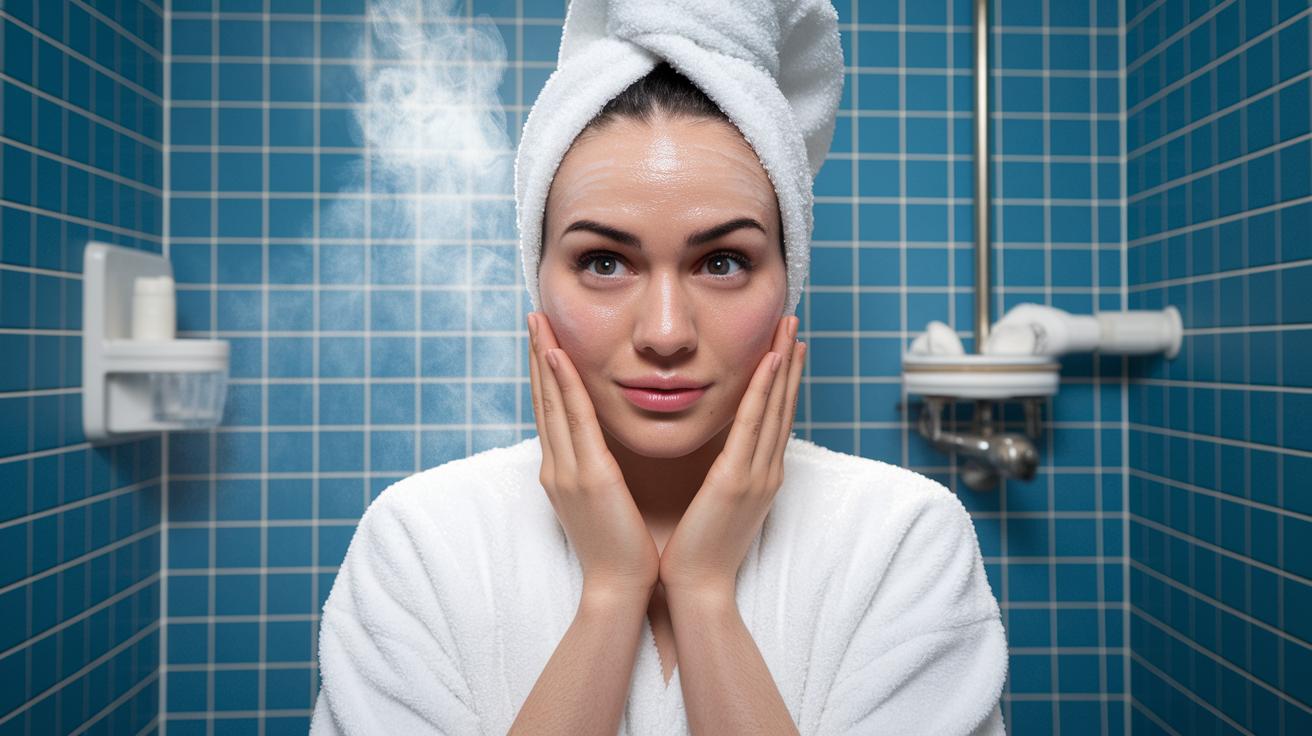
Sensitive skin can easily overreact to everyday influences, even when the change seems minor. It’s like your skin is working extra hard to protect you, so even a small exposure can make it feel uncomfortable. Knowing what causes irritation can help you adjust your routine and keep your skin calm and glowing.
Some common triggers include:
- Fragrances in products, which can upset delicate skin
- Dyes found in makeup and personal care items
- Preservatives in formulations that might spark a reaction
- Harsh cleansers that strip away natural oils needed for protection
- Hot water and long showers that take away moisture
- UV exposure and extreme temperatures that add stress
- Pollution that settles on your skin and irritates it
- Internal factors like stress, hormonal changes, caffeine, and alcohol
Everyone’s skin is unique, and what bothers one person might not affect another. By staying aware of your personal triggers, you can make small changes, like switching to gentler skincare products or cutting back on steamy showers, to help soothe your skin and boost its natural strength.
Gentle Skincare Routine Essentials for Sensitive Skin

Begin your day with a simple, soothing routine designed to calm and protect your sensitive skin. This plan focuses on cleaning, hydrating, and safeguarding your skin without overloading it with ingredients like fragrance, dyes, or preservatives.
-
Use a gentle facial cleanser – Pick a cleanser approved by dermatologists that softly lifts away dirt and impurities. This helps keep your skin’s natural moisture intact without causing irritation.
-
Pat your face dry – After washing, gently pat your skin with a towel. Rubbing too hard can cause redness and more irritation, so a light touch keeps your skin calm.
-
Apply a light, fragrance-free moisturizer – Choose a hypoallergenic moisturizer that soothes and strengthens your skin’s barrier. It’s a good idea to test any new product on a small patch of skin first, just to be safe.
-
Keep your showers short and use lukewarm water – Long, hot showers can strip your skin of moisture, making it feel even more sensitive. A brief rinse with water that’s not too hot helps keep your skin balanced.
-
Don’t forget sun protection – Finish your routine with a broad-spectrum SPF of at least 30, free of fragrance. This step protects your skin from harmful UV rays that can worsen sensitivity.
Following these steps consistently can help keep your skin soothed, hydrated, and well-protected throughout the day.
At-Home Remedies to Calm Sensitive Skin

Drinking plenty of water is one of the easiest ways to help your skin feel better. It hydrates you and helps your skin repair itself naturally. A gentle skin cream can add extra moisture to protect your skin from daily irritants. Think of water as a quiet, dependable guard that works behind the scenes to strengthen your skin's defenses.
Natural, plant-based remedies can also soothe an irritated complexion. An oatmeal bath can ease inflammation, while a bit of aloe vera gel delivers a cool, gentle touch to relieve discomfort. A chamomile compress may reduce redness and calm irritation, much like a gentle, refreshing breeze on a warm day. Some people also use cold compresses to minimize swollen capillaries and soothe flare-ups from heat.
A few simple lifestyle changes can go a long way in keeping your skin hydrated. Cutting back on caffeine and alcohol is a smart move because both can dry out your skin. Keeping a refillable water bottle nearby can remind you to sip throughout the day. These little changes support your skin's natural barrier, helping you enjoy a calm and balanced complexion every day.
Sun Protection Tactics for Sensitive Skin

When you’re outdoors, it’s key to protect your sensitive skin the right way. Try a mineral sunscreen that’s free of fragrances, using safe ingredients like zinc oxide or titanium dioxide. Pick one with broad protection and an SPF of 30 or more. This means it blocks harmful sun rays while being gentle, so your skin stays calm.
Wearing protective clothing is a smart move too. A wide-brim hat, a pair of sunglasses, and long-sleeved shirts help keep the sun off your skin. These additions work well with your gentle sunscreen, giving you extra defense on bright, sunny days.
And don’t forget to reapply every two hours, especially if you’ve been swimming or sweating. A fresh layer of sunscreen helps keep your skin safe from UV damage all day long. With this simple routine, you can enjoy the outdoors while your sensitive skin stays comfortable and well-protected.
Lifestyle Adjustments to Reduce Sensitive Skin Flares

Everyday tweaks can really help keep your sensitive skin calm. For instance, swapping a long, hot shower for a milder one and choosing soft fabrics over scratchy ones can protect your skin's natural barrier. In drier areas, using a humidifier adds much-needed moisture to the air, which can help reduce dryness and irritation. Even small changes in your surroundings can lessen the chance of a flare-up.
Stress is another big factor. When you're stressed, your cortisol levels can rise, making your skin's defenses weaker. So, getting enough sleep, cutting back on caffeine, and checking out some practical tips on stress relief might be just what you need. Keeping a simple journal of your skin's reaction can also reveal patterns, helping you figure out what might be triggering your breakouts.
Lastly, setting up a regular self-care routine and paying close attention to the products and fabrics you use every day can make a big difference. These consistent, easy changes not only soothe your skin but also help nurture a more balanced, calm complexion.
Professional Care and Treatment Options for Sensitive Skin

If your delicate skin continues to feel irritated or shows strong flare-ups even after gentle home care, it might be time to see a professional. When basic remedies just aren’t working, a dermatologist can offer advice that’s made just for you. They look closely at your skin, sometimes with a patch test, to check if an allergen or a particular ingredient is causing the reaction. And if your symptoms seem to worsen quickly, it’s really important to reach out for help right away.
Often, doctors will suggest using low-strength steroid creams or special creams called calcineurin inhibitors to help reduce swelling and ease discomfort. Many people also benefit from barrier-repair creams that contain ceramides and niacinamide; these ingredients work to rebuild the skin’s natural protection, making it less prone to irritation over time. These trusted products are designed to nurture fragile skin without adding more irritation. In each case, your treatment plan is made to support your skin’s overall health while addressing its specific sensitivities.
If regular treatments aren’t enough, your dermatologist might suggest prescription options that are a bit stronger. They could use advanced therapies to gently calm your skin and strengthen its barrier, so it can handle everyday challenges better. And very rarely, if there’s a risk of a serious allergic reaction, you might need immediate emergency care. Keeping an open conversation with your doctor means your treatment plan can change as your skin’s needs evolve.
Final Words
In the action, we explored what sensitive skin really is, spotting key symptoms and understanding daily triggers. We discussed simple, gentle routines for cleansing, soothing at-home remedies, and smart sun protection tactics. We also highlighted lifestyle tweaks and professional advice that help maintain your skin’s health.
Every piece of insight shared here is meant to boost confidence while guiding safe, informed choices for your sensitive skin care. Keep moving forward with a positive spirit and clear vision for healthier skin.
FAQ
What are sensitive skin products and treatments?
Sensitive skin products and treatments are specially designed to soothe irritation by avoiding harsh chemicals, fragrances, dyes, or preservatives. They help calm reactive skin and support its natural protective barrier.
How do you treat sensitive skin on the face and body?
Treating sensitive skin on the face and body means using gentle cleansers, moisturizers, and sun protection. Choosing fragrance-free, hypoallergenic products and testing them on a small patch minimizes redness and discomfort.
What are sensitive skin symptoms?
Sensitive skin symptoms include redness, itchiness, dryness, irritation, and flakiness. These signs show that your skin is overreacting to environmental triggers or certain cosmetic ingredients.
What is sensitive skin allergy?
Sensitive skin allergy involves an immune reaction to cosmetic ingredients or environmental allergens. It can cause redness, itching, and swelling, underscoring the need to use hypoallergenic and gentle skincare products.
What is sensitive skin on the face?
Sensitive skin on the face is a condition where the skin reacts quickly to external factors, leading to redness, irritation, and sometimes a burning sensation. Gentle cleansing and moisturizing help keep it comfortable.
What might sensitive skin be a symptom of?
Sensitive skin can be a symptom of conditions like eczema or rosacea, or it can indicate a reaction to allergens and irritants. Identifying triggers and consulting a professional can help manage these symptoms.
What are the four types of sensitive skin?
The four types of sensitive skin generally include irritated, allergic, reactive, and combination sensitive. Each type may require different approaches with tailored, gentle care to soothe discomfort.
How do you fix sensitive skin?
Fixing sensitive skin involves adopting a routine with gentle cleansing, hydrating moisturizers, and careful product selection. Consistent use of non-irritating products supports the skin’s barrier and reduces reactivity.
Why is my skin sensitive to touch all of a sudden?
Skin that becomes suddenly sensitive to touch might be reacting to new environmental factors, allergens, or stress. This change suggests a need to review your skincare routine and consult a professional if irritation persists.


