Ever thought that too much scratching might actually harm your skin? When you scratch repeatedly, it can wear away the top layer, leaving your skin raw and uneven. This article walks you through simple care options to calm irritation and help your skin heal. We explain what over-scratching looks like, how it can affect you, and offer practical tips to bring back comfort. Let’s explore real steps to help you enjoy smoother, healthier skin.
Skin Excoriation: Definition, Clinical Features, and ICD-10 Classification
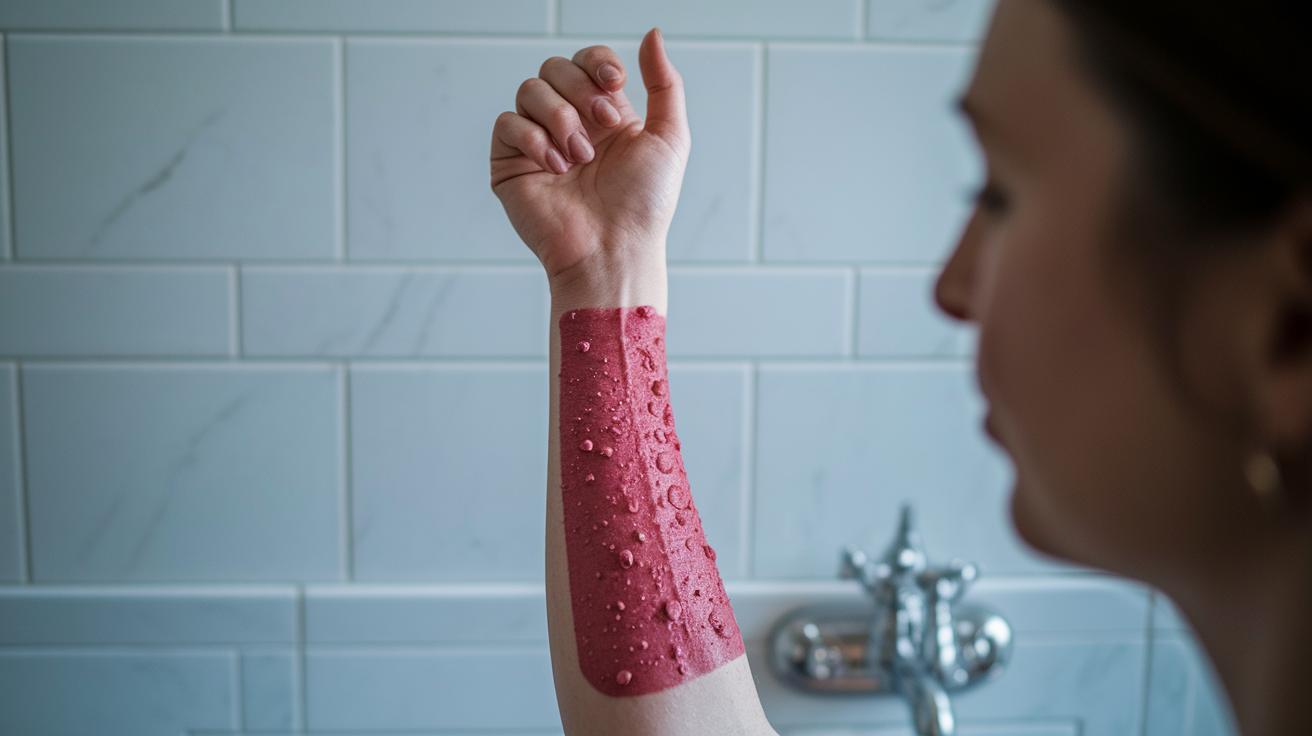
Skin excoriation happens when repeated scratching or rubbing pulls away the outer skin layers. This can leave your skin red and swollen, often with small breaks, scabs, and even sores. When this behavior continues for a long time, you might notice thicker, rougher patches or dark spots forming where the skin has healed differently. If you're curious about how deep these changes can go, you might want to check out the "layers of skin" resource for a closer look.
Here are the main signs you might see with skin excoriation:
- Redness
- Abrasions (small, scraped areas)
- Scabbing
- Oozing of fluid
- Lichenification (thickening of the skin)
ICD-10 codes are important because they help doctors record and diagnose these skin injuries accurately. For example, if the injury is on the head, it’s usually coded as S00–S09, while injuries on the neck fall under S10–S19. These codes make it easier for healthcare providers to tell the difference between new, active injuries (like fresh abrasions or oozing) and older, more persistent problems such as skin thickening.
Using this standardized coding system is key in planning out treatment and keeping track of progress. It helps ensure that everyone involved in your care, from your doctor to medical researchers, has a clear picture of what’s happening with your skin and how well it’s healing.
Causes of Skin Excoriated Lesions: From Dermatitis to Compulsive Picking
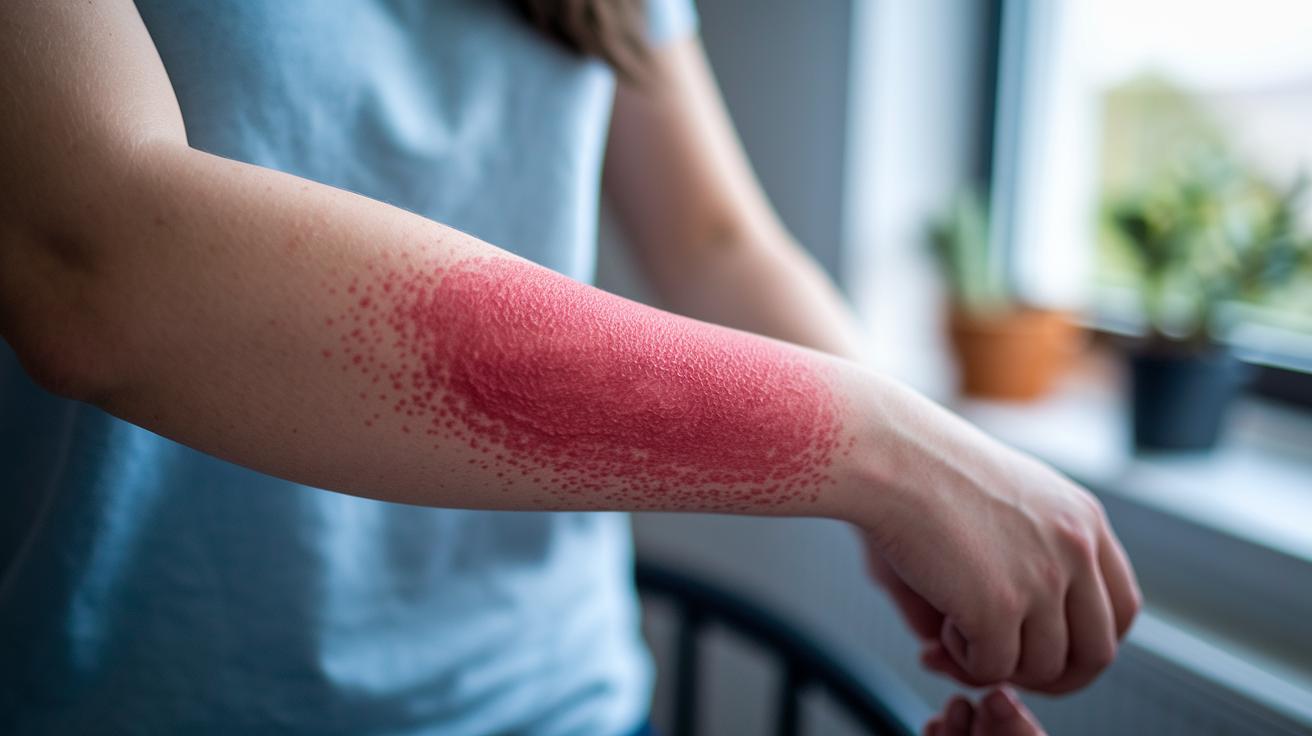
Sometimes your skin gets hurt from things like bug bites or allergies. An insect bite or a reaction to something you touched can make your skin red, itchy, and inflamed, signaling that something isn’t right. Conditions like atopic dermatitis, eczema (a skin rash), and xerosis (very dry skin) leave your skin delicate and more likely to be damaged if you scratch too much.
But there’s another side to this story, compulsive skin-picking. This behavior often mixes physical irritation with stress or mental health challenges. If you deal with anxiety, obsessive-compulsive disorder, or body dysmorphic disorder, you might experience Dermatillomania. In simple terms, that means the urge to pick at your skin can become overwhelming. This habit not only deepens skin damage but can also leave scars and create a chance of infection.
Below are some common triggers for skin lesions:
| Trigger | Description |
|---|---|
| Insect Bites | Bites can cause irritation and itching. |
| Allergic and Atopic Dermatitis | Allergies and irritants can lead to inflamed, sensitive skin. |
| Eczema and Xerosis | Rashes and very dry skin make accidental damage more likely. |
| Anxiety-Driven Compulsive Behavior | Stress and anxiety can lead to an overwhelming urge to pick at the skin. |
Finding out why your skin is getting hurt is the first step to breaking the cycle. Whether it’s a reaction from your environment or an internal struggle with stress, understanding the root cause can help you find the right treatment and get back to healthier skin.
Differentiating Excoriation from Maceration and Other Superficial Injuries

When you scratch or rub your skin too much, it can lead to a small injury called excoriation. This happens when the skin is abraded from repeated contact. You might notice red spots, dry scabs, and even darker patches where the skin has started healing. It’s common in people who habitually pick at their skin, and these marks look very different from those caused by excess moisture.
Maceration occurs when the skin is exposed to too much moisture for a long time, making it soft, white, and puffy. On the other hand, a dermal laceration is the result of a sharp injury that causes open cuts, bleeding, and uneven edges. Understanding these differences helps doctors choose the right treatment based on what caused the injury.
| Condition | Cause | Key Features |
|---|---|---|
| Excoriation | Scratching or rubbing | Red spots, scabs, darker healing patches |
| Maceration | Extended exposure to moisture | Soft, white, and puffy skin |
| Dermal Laceration | Sharp trauma | Open cuts, bleeding, and uneven edges |
Clinical Evaluation and Imaging of Skin Excoriated Lesions

Dermoscopy is a key tool for checking scratched or irritated skin. With a tiny, gentle buzz, this device helps doctors see details that are invisible to the naked eye. It highlights subtle changes in the skin’s texture, revealing the depth and boundaries of each lesion. Plus, it can even catch signs of a secondary infection, guiding the next steps in treatment.
Taking clear, high-quality photos is just as important. Regular, high-resolution images let clinicians compare how a lesion changes over time. They can sort cases into mild ones with just small, shallow marks and more severe ones that show crusting or thickened skin. By keeping a consistent set of photos, both doctors and patients can easily follow the healing journey and tweak care plans when needed. For example, even slight changes in skin texture become noticeable with standard photo documentation.
- Consistent lighting during photo capture
- Use of a scale marker to ensure accurate size comparison
- Serial photography to document progression over time
Skin Excoriated: Clear, Effective Care Options

When your skin gets scratched or irritated, start by cleaning it gently. Using a saltwater solution or a mild antiseptic washes away dirt and germs without adding more irritation. Then, cover the area with a non-stick dressing to protect it while still letting the skin breathe. This simple care helps speed up healing and lowers the risk of infection.
- Clean the affected area with saltwater or a gentle antiseptic. This removes debris and germs without further upsetting the skin.
- Apply a mild antibiotic cream or, if recommended, a light steroid to fend off infection and ease any irritation.
- Cover the wound with a non-stick dressing to keep dirt and bacteria out while the skin heals.
- Change the dressing every day so you can keep the area clean and watch it heal.
- Keep an eye on the wound. If it starts to look redder, swell, or if you notice any unusual discharge, reach out to your healthcare provider.
It’s also important to understand that sometimes skin picking can continue even when the wound is healing. If you catch yourself picking at the area, you might already be in a pattern of self-injury. In these cases, pairing your wound care routine with stress management techniques or talking to a professional about habit reversal strategies can really help break the cycle. Taking care of both your skin and your overall well-being supports a smoother journey to recovery.
Psychological and Behavioral Therapies for Compulsive Skin Picking

Compulsive skin picking, known medically as excoriation disorder, can really disrupt daily life, both on the outside and the inside. It’s not just about the marks on your skin, it’s often a sign of deeper emotional struggles. Many find that, over time, this behavior leaves them with lingering feelings of guilt and anxiety. Research and hands-on experience tell us these mental-health strategies can help manage the urge, while also teaching healthier ways to cope.
Let’s break down some common approaches:
- Cognitive Behavioral Therapy (CBT): This therapy helps you recognize and change the negative thoughts that spark the urge.
- Habit Reversal Training: A method that replaces skin picking with more constructive actions.
- Exposure Response Prevention: A strategy designed to ease the anxiety that comes from facing triggers.
- SSRIs: Medications that balance mood and can ease underlying feelings of depression.
- Mindfulness Meditation: Techniques to boost awareness and bring calm when impulses start to rise.
- Biofeedback: A process that shows real-time signs of how your body reacts, helping you gain better self-control.
It’s really all about personalizing your treatment plan. When you address both the thoughts and the actions behind skin picking, you’re setting the stage for fewer episodes, and you move toward a healthier, more balanced life.
Rapid Recovery and Home Care Tips for Excoriated Skin

This guide works with your usual clinical wound care to help cut down on scars and boost comfort naturally. Use these extra tips along with your basic care routine.
- Try aloe vera to calm any irritation. Think of it as nature’s own cooling gel that gently eases the discomfort.
- Consider using silicone sheets to soothe your skin. They create a soft, protective cover that may lower the risk of scarring.
- Keep the area moisturized with a light, non-greasy lotion so it stays soft and hydrated.
- Shield your skin daily with SPF 30 or higher. This protects against the sun and helps stop spots from forming after inflammation.
- At night, you might use a snug bandage that locks in moisture and keeps your skin undisturbed for a peaceful healing environment.
And remember, avoid picking at the skin to prevent any more damage.
When to Seek Professional Help for Recurrent or Severe Excoriation

Sometimes when a skin infection goes untreated, it can make tissue damage worse and lead to more skin trauma. Keep an eye out for signs that mean it’s time to see a doctor. For example, if you notice that the hurt spot starts to sting more, if the red area grows beyond where it began, or if you develop a fever, these can be warning signs. You might also see pus-like discharge, increased swelling or warmth around the area, or even find that self-inflicted wounds are getting worse.
It’s a good idea to chat with both a dermatologist and a mental health professional. They can help manage your skin’s healing while also addressing any emotional challenges that come with excoriation disorder.
Final Words
In the action, you’ve seen a clear breakdown of skin excoriated issues, from definitions and clinical signs to ICD-10 classifications and the nuances of treatment. The blog post walked you through causes, imaging, care tips, and even behavioral therapies that can help manage self-induced skin injuries.
Each segment aimed to simplify complex ideas and support confident decision-making. Every detail matters in guiding safe, informed choices for your aesthetic care. Keep moving forward with optimism and clarity.


