Have you ever noticed that some areas of your skin seem to glow while others look lighter or darker? Our skin’s color and its natural protection from the sun come from pigments made by tiny cells. These cells work much like a painter’s brush, adding bursts of color or gently fading certain spots. In this article, we’ll explore why these changes happen and share some simple tips for caring for your skin. Stick with us as we uncover the natural beauty and artistry of your skin.
Skin Pigmentation: Radiant Facts on Causes and Care

Melanin gives your skin its natural color and is made by tiny cells called melanocytes, which live in the lower layers of your skin. These cells use a substance called tyrosine, a building block found in your body, to make melanin through a series of simple steps. This process not only shapes your unique skin tone but also helps protect your skin from the sun and other everyday stressors.
Melanin isn’t a fixed process. Sometimes, when melanocytes work harder, they produce extra pigment that shows up as darker patches, known as hyperpigmentation. On the flip side, when these cells slow down, lighter patches, or hypopigmentation, can appear. It’s interesting to note that even a small change in melanin production can noticeably alter your skin tone, like a painter adding a fresh stroke to their canvas.
Many things can change how much melanin your skin makes. Your genes set the starting point, while spending time in the sun nudges melanocytes to boost melanin as a shield against UV rays. Hormonal shifts, such as during pregnancy or due to certain medications, can also stir up changes that lead to conditions like melasma. Even everyday factors like pollution or minor skin injuries can prompt your skin to adjust its pigmentation. All these factors mix together to constantly shape the natural look of your skin.
Common Pigmentation Variations: Hyperpigmentation and Hypopigmentation

Our skin sometimes changes color. When your skin makes extra pigment, you may see darker patches. This is called hyperpigmentation. It shows up as age spots, melasma, or marks left after an injury. When your skin makes less pigment than usual, lighter spots appear. This is known as hypopigmentation. These changes can happen because of your genes, too much sun, skin injuries, or shifts in your hormones.
- Melasma – Brown patches that often appear evenly on your cheeks and forehead, usually due to hormone changes.
- Sunspots – Small dark spots that form after spending a lot of time in the sun.
- Post-inflammatory hyperpigmentation – Dark marks that show up after your skin heals from an injury or pimple, reminding you of past inflammation.
- Vitiligo – Clear, well-defined patches where your skin stops making pigment.
- Freckles – Tiny spots that grow more obvious with sun exposure, especially if you have lighter skin.
If you start to worry about these changes, it might be time to see a professional. If you notice that your skin tone is changing quickly or over a large area, or if it makes you feel uncomfortable, talking to a dermatologist is a smart move. Sometimes, everyday treatments aren’t enough for things like stubborn melasma or advanced vitiligo, so expert care becomes very important. A skin specialist can look at your condition, figure out if other factors are involved, and suggest treatments that might be as simple as changing your skincare routine or as advanced as other medical options. This way, your treatment is tailored just for you.
Primary Causes of Pigment Irregularities

Sunlight doesn’t just tan your skin, it also plays a big role in how pigment changes over time. When UV-B rays hit the top layers, your body ramps up melanin quickly as a short-term shield, which can show up as sudden sunspots. Meanwhile, UV-A rays dive deeper, creating oxidative stress that slowly leads to an uneven skin tone.
Everyday factors like urban pollution add to this mix by producing free radicals that disturb your skin’s balance, even on overcast days. Inside your body, things like shifting hormone levels, especially changes in estrogen and progesterone, can boost melanin production. This explains why you might see concentrated dark patches, such as those seen in melasma. Even minor skin irritations can leave behind lasting color changes, and your genetic makeup often sets the stage for how much melanin is produced and how sensitive your skin is to these triggers.
Preventive Skin Care Strategies for Even Tone

Daily sun protection is key to a balanced skin tone. Every morning, use a broad-spectrum sunscreen with SPF 30 or higher to block harmful UV rays that can make your skin produce too much pigment. When sunlight hits your skin, it might trigger extra pigment production and lead to dark spots. Think of sunscreen as your skin’s protective gear that keeps discoloration at bay.
Using a gentle, pH-balanced cleanser helps wash away dirt and pollutants without stripping your skin. This light cleansing process prevents irritation and keeps your skin’s natural barrier safe, much like rinsing off after a long day. It also leaves your skin feeling fresh and ready for the next steps in your routine.
Moisturizing is super important for maintaining an even skin tone. Look for products that include ingredients like ceramides, which rebuild your skin’s barrier, and hyaluronic acid, which helps lock in moisture. These ingredients work together to keep your skin hydrated, smooth out uneven textures, and support natural cell turnover. When you pair a good moisturizer with your sunscreen and gentle cleanser, your daily routine joins forces to fend off dark spots and keep your skin healthy over time. Stick with these simple habits, and you’ll notice a real boost in your skin’s look and feel.
Topical Treatments and Key Active Ingredients

Topical treatments bring active ingredients straight to your skin, working to even out color and brighten your overall tone. They either help break up excess pigment or boost your skin’s natural process of shedding older cells, imagine a little helper speeding up the removal of stubborn dark spots. It’s a small change that adds up over time.
| Ingredient | How It Works | Common Strength | Safety Tips |
|---|---|---|---|
| Hydroquinone | Stops an enzyme that builds up dark spots | 2–4% | Use with professional guidance to prevent irritation |
| Retinoids | Speeds up cell turnover and spreads out pigment | Varies by product | May cause dryness or irritation at first |
| Vitamin C | Works as an antioxidant and helps limit pigment formation | 10–20% | Choose stable formulas to avoid oxidation |
| Niacinamide | Boosts skin’s barrier and lessens pigment transfer | 2–5% | Usually well-tolerated, even on sensitive skin |
Mixing these agents can really boost your results, but it’s best to start with one and introduce the others slowly. If you notice redness or dryness, give your skin a break before adding more products. This careful, step-by-step approach not only targets hyperpigmentation but also nurtures your skin’s overall health, making your daily routine truly effective and gentle.
In-Office and Advanced Cosmetic Procedures for Pigmentation
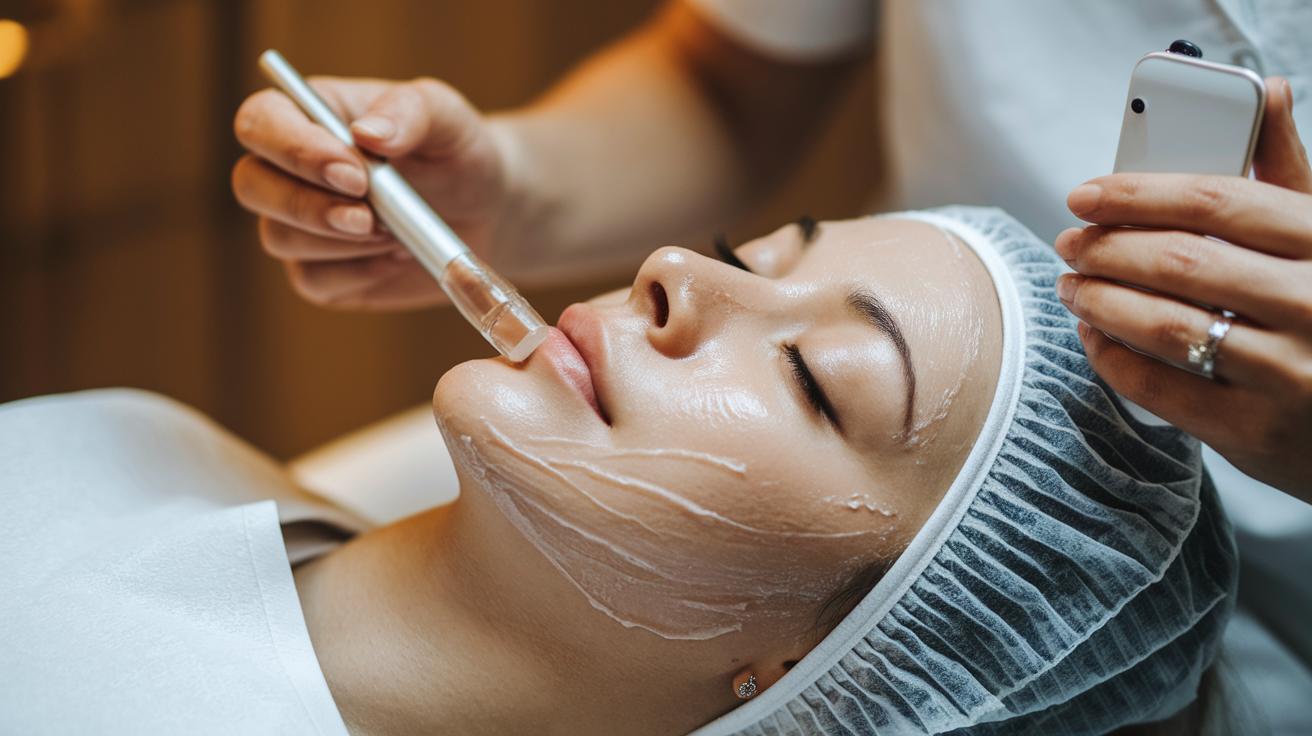
When at-home treatments just don’t do the trick, in-office procedures can help brighten up persistent skin discoloration. These treatments use focused techniques that gently lift stubborn pigment and even out your skin tone. Clinics rely on trusted methods like chemical peels, laser treatments, and microdermabrasion, all tailored to tackle specific pigmentation issues with expert care.
Take chemical peels, for example. Using ingredients like glycolic or trichloroacetic acid, they carefully remove the top layer of skin to target discoloration right at the source. Fractional lasers, on the other hand, zero in on clusters of melanin by giving the skin a mild, precise heat treatment that breaks down unwanted pigment while keeping the surrounding skin safe.
Microdermabrasion is another option. This treatment gently exfoliates the outer layer of your skin, helping to fade dark spots and smooth out texture. There’s also Intense Pulsed Light (IPL), which uses bursts of controlled light to slowly reduce pigment clusters for a more balanced complexion.
Sessions are usually spaced about 4 to 6 weeks apart so your skin can heal and renew itself naturally. And really, talking with a skin expert is key to figuring out the perfect blend of treatments to meet your unique needs.
Natural and At-Home Pigmentation Remedies

If you’ve noticed light changes in your skin from sun exposure or small injuries, at-home remedies might be a good option. They offer a gentle, natural way to even out your skin tone without having to quickly jump into professional treatments. These methods work best with subtle discoloration and when your skin responds well to natural ingredients.
Natural extracts from plants can help balance your skin tone. Aloe vera, for example, contains substances that may slow down pigment production. Licorice extract is another option, it has a compound that might lessen pigmentation caused by UV light. Green tea is full of antioxidants that support clearer skin, and even black tea water has shown promising lightening results in some studies. By mixing these ingredients, you can create a mild remedy that helps reduce brown patches over time. These time-tested solutions are affordable and easy to find at your local store.
Fermented dairy ingredients can also improve pigmentation through gentle exfoliation. Lactic acid from milk helps to remove dead skin cells and reveals a fresher, more even complexion. When combined with casein hydrolysate, another gentle exfoliant, these ingredients work together to smooth your skin’s texture. Many at-home creams use these natural acids to support regular skin renewal. This method is popular because it gradually fades the appearance of brown patches without the need for harsh chemicals.
Remember to apply these remedies carefully. It’s best to start by testing a small patch of skin to make sure you don’t experience any irritation. Begin with a little amount on a small area and watch for any reactions before you use it more broadly. Using these products consistently, and giving your skin a few days between applications, can lead to a gradual lightening of spots while keeping irritation at bay. Consistent daily care makes all the difference in achieving a more balanced and harmonious complexion.
Expert Dermatologist Insights and Future Directions
New research in skin care is showing a promising way to treat pigmentation more precisely. Scientists are now testing things like peptide inhibitors and tyrosinase blockers to help target unwanted spots with better accuracy. And thanks to AI-driven imaging, specialists can design treatment plans that really fit your unique skin. They’re also looking at stem cell–derived exosomes in clinical trials, which might help refresh your skin from the inside out.
For those looking to keep clear, even-toned skin over the long run, experts suggest gentle yet effective routines. Using low-concentration active ingredients can help maintain your skin’s natural balance, while regular photoprotection defends against UV rays that could change your skin’s appearance. Ongoing studies mean these methods are always getting better, so treatments are becoming more personal and trustworthy. This new approach makes skin care not only simpler but also more reliable for lasting results.
Final Words
In the action, we explored how skin pigmentation is crafted by melanocyte activity and swayed by genetics, UV exposure, and hormones. We broke down pigment variations and shared practical tips on gentle skin care, from broad-spectrum sunscreens to targeted topicals that balance tone. We also touched on in-office procedures, natural remedies, and expert insights that keep you informed. Every detail aims to make safe, effective treatments clear and approachable, giving you a confident path toward a more even, glowing complexion.


