Have you ever noticed that a small change in your skin’s color can make you feel a bit off? Uneven skin tone often appears as dark spots or patchy areas, and these little marks can tell a story about your time in the sun, a bout of acne, or even stress.
With the right daily care, you can smooth out those differences to reveal a bright, healthy glow. Try using a gentle cleanser and follow a thoughtful routine, you might be surprised at how refreshing a little consistency can be.
Understanding Uneven Skin Tone: Causes, Definition, and Prevention

Uneven skin tone means that your skin shows differences in color and texture. It can appear as dark spots, melasma, sun spots, post-inflammatory marks, dry patches, and even fine lines. Recognizing these pigment changes is an important first step in understanding your skin’s needs.
Sometimes, your skin’s color changes because it reacts differently to challenges. Acne scars, for example, can leave behind darker patches, and environmental factors can also mix up your skin’s pigment. You might notice other small differences like a slightly red nose or a naturally varied hairline. When these signs become stronger, it might be time to look at lifestyle choices or hormonal shifts that could be influencing your skin.
- Extended sun exposure, especially from early years, can lead to noticeable dark spots.
- Acne scars often leave traces of darker pigmentation.
- Pollution can trigger uneven skin tone by affecting the skin cells.
- Your diet and stress levels may alter the skin’s natural balance over time.
- Hormonal changes can also cause pigment shifts like melasma.
- Skin injuries and inflammation might result in post-inflammatory darkening.
- Natural variations in skin tone can become more apparent as you age.
A key part of preventing uneven skin tone is taking good care of your skin every day. Using a broad-spectrum sunscreen with at least SPF 30 is essential, even indoors, to protect against further discoloration. Look for a lightweight, non-greasy formula that keeps your pores clear while providing the right level of protection. In addition, gentle cleansing and regular moisturizing help repair your skin barrier and reduce visible unevenness. By following a simple daily routine, you can gradually improve your skin’s look and keep the pigment changes in check.
Skincare Regimen to Address Uneven Skin Tone

Begin by tailoring your skincare routine to suit your unique skin type, whether it’s dry, oily, combination, or sensitive. Using the right products helps avoid extra irritation or discoloration. For example, if you have sensitive skin, you might choose a gentle, fragrance-free cleanser. And if you have oily skin, a gel-based cleanser can clear out impurities without taking away too much moisture. This thoughtful selection sets the stage for a routine that improves uneven skin tone while keeping overall pigment balance in check.
Every morning, wash your face with a pH balanced cleanser that refreshes without upsetting your skin's natural barrier. Then, a couple of times each week, use a light exfoliation treatment with AHAs or BHAs. Exfoliating gently removes dead skin cells, smooths the skin, and gradually fades dark spots. Next, dab on a serum filled with natural ingredients, think of niacinamide, which helps balance skin tone and reduce discoloration. After that, lock in hydration by applying a brightening moisturizer that has ingredients like hyaluronic acid. And don’t forget your daytime SPF moisturizer, which adds a sunny shield that protects your skin from UV rays and further pigment issues.
Stick with this twice-daily routine, morning and night, because consistent care is key. Over time, this steady approach and smart ingredient picks support lasting skin barrier repair and leave you with a more even tone. Regular use of tailored skincare can brighten and smooth your complexion, just as consistent steps can make even the roughest path smoother.
Effective Ingredients and Product Picks for Uneven Skin Tone
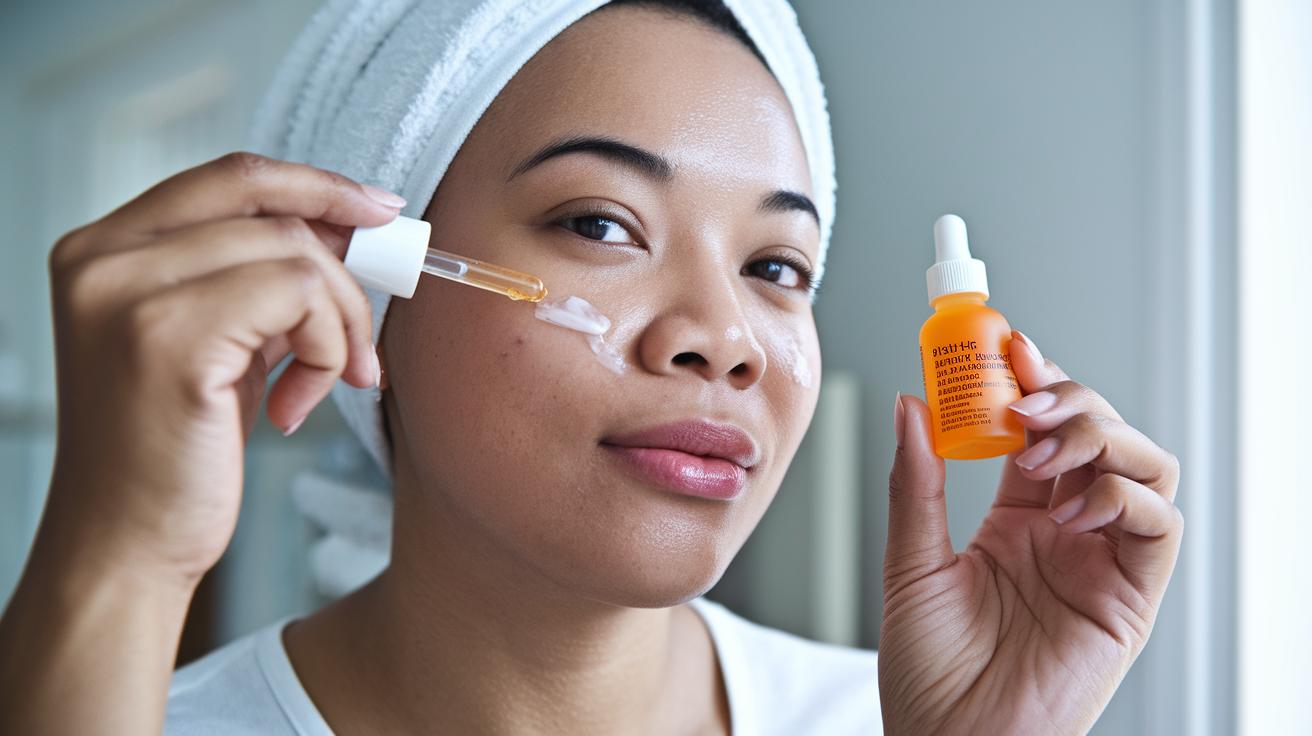
When you’re aiming for a more balanced skin tone, picking the right ingredients is a game changer. In this section, we explore key actives that work to brighten your skin, refresh its look, and care for those areas with discoloration.
Vitamin C Serums
Vitamin C is a true skin booster. It works by reducing the production of melanin, the pigment behind dark spots, giving you a brighter, more energized complexion. Imagine it like a daily burst of radiance that fades dark patches and shields your skin from future discoloration.
Retinol Treatments
Retinol is famous for speeding up cell turnover, helping to smooth rough textures and reduce stubborn pigmentation. By gently peeling away old skin cells, retinol helps reveal a clearer skin tone and even softens fine lines over time.
Peptide Formulations
Peptides are little proteins that encourage your skin to produce collagen. This not only strengthens your skin but also helps repair areas with uneven coloring. If you’re curious about peptide solutions, check out our resource on peptides for skin.
Hydration Boosters
Keeping your skin hydrated is key to preventing patchiness. Boosters that use hyaluronic acid work to lock in moisture, keeping your skin soft and well-protected. A hydrating moisturizer can double as a brightening serum, promoting clarity and balance in your skin tone.
Starting with gentle formulations and slowly introducing stronger actives is a smart way to combine products. Blending vitamin C, retinol, peptides, and hydration can set the stage for a natural, confident glow that feels as nurturing as it looks.
Professional Procedures for Correcting Uneven Skin Tone
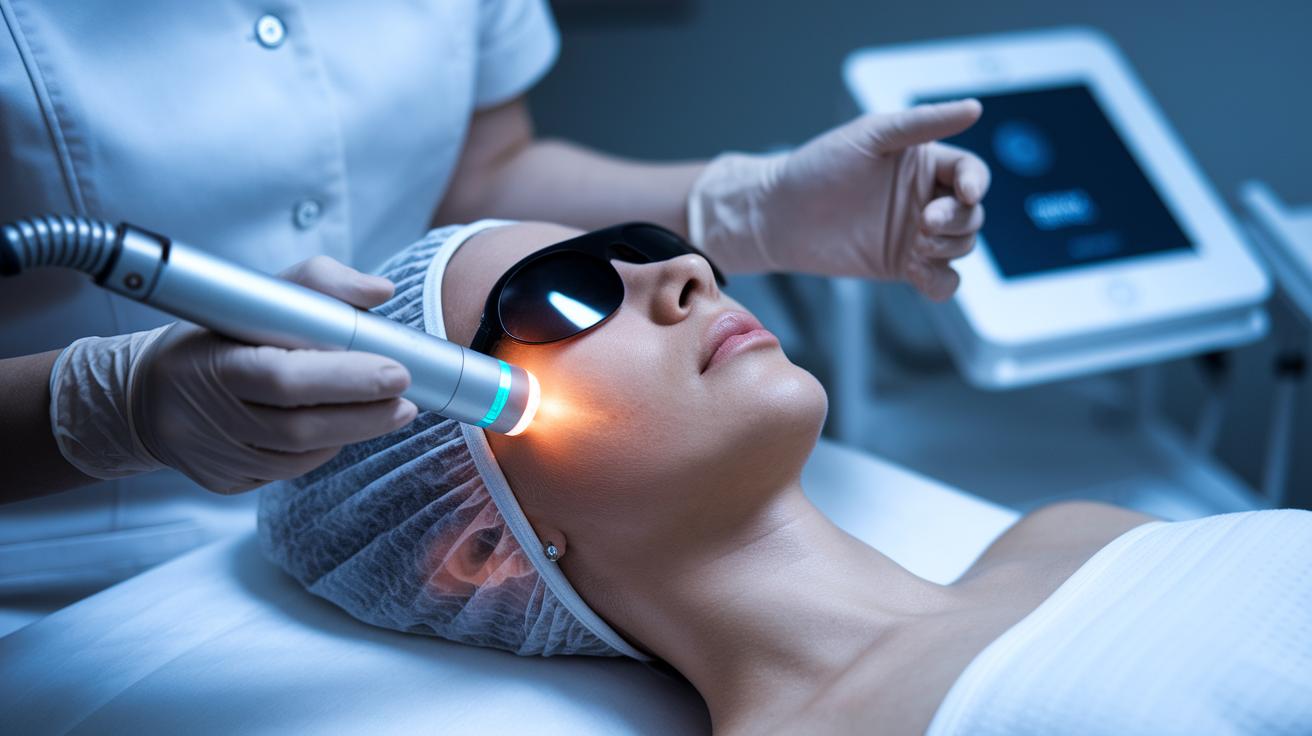
Sometimes, your everyday skincare just doesn’t cut it when stubborn discoloration lingers. That’s when professional treatments come into play, working below the surface to even out your skin and give you a natural glow. These in-office procedures help rebalance pigment and boost collagen, all tailored to your skin’s unique needs. Some treatments gently resurface your skin to sweep away old, dead cells, while others use focused light or tiny tools to refine and smooth your skin’s texture. Even noninvasive options can work wonders by rebalancing melanin and clearing up your complexion. In a nutshell, these professional choices can help you achieve a more balanced look that fits your skin type and lifestyle.
| Procedure | How It Works | Typical Sessions | Recovery Time |
|---|---|---|---|
| Chemical Peel | Gently removes the top skin layer to reveal an even tone | 3-6 sessions | 3-7 days |
| Laser Treatment | Targets deep pigmentation and helps boost collagen | 2-4 sessions | 1-3 days |
| Microdermabrasion | Uses a mechanical resurfacing technique for smoother skin | 4-8 sessions | Immediate |
| Light Therapy | Uses controlled light energy to balance melanin | 6-12 sessions | None |
Lifestyle Measures and Prevention Strategies for Uneven Skin Tone
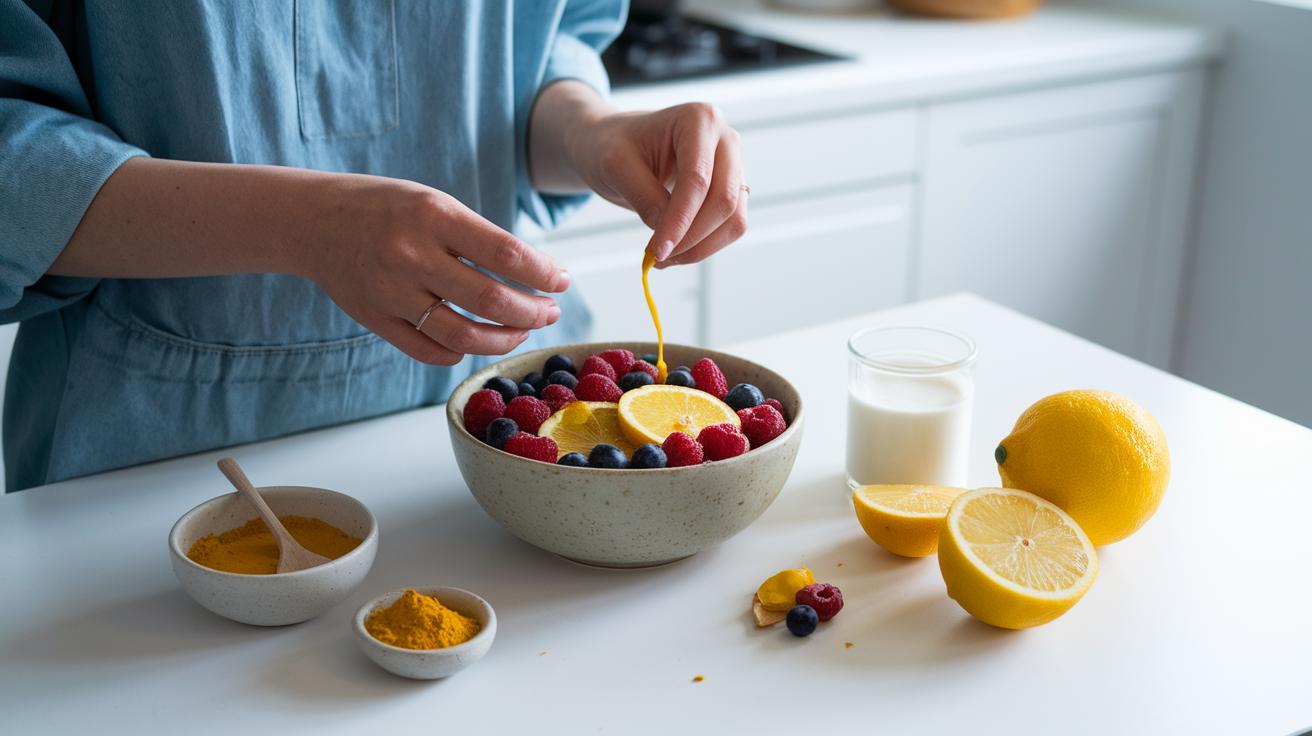
A healthy, balanced diet plays a big role in keeping your skin tone even. Foods rich in vitamins C and E, plus fruits and vegetables packed with natural antioxidants, help support your skin’s health and calm inflammation. Imagine starting your morning with a zesty citrus fruit and a bowl of berries, it’s like a refreshing boost that works from the inside out.
There are also some simple, homemade remedies that can gently balance your skin tone. For example, you might try a DIY mask once a week using a mix of turmeric and yogurt or blend a bit of honey with lemon. These everyday ingredients work together to soothe your skin, offer antibacterial benefits, and naturally lighten mild spots, all without the need for harsh chemicals.
Lastly, a consistent daily skin care routine and a few seasonal tweaks are key to maintaining an even color and a resilient skin barrier. A broad-spectrum sunscreen every day protects you from UV rays that can cause hyperpigmentation, while a moisturizer with rich hydration and barrier-supporting nutrients helps fend off post-inflammatory marks. Small habits, like carrying a sun shield for your face when stepping out, can really add up over time to keep your skin glowing evenly.
Final Words
In the action, we explored uneven skin tone by breaking down its causes, from sun exposure and acne scars to natural melanin shifts, and outlined practical daily prevention tips. We discussed how a smart skincare regimen, featuring ingredients like vitamin C and retinol, can help even out these pigment challenges. We also reviewed professional procedures and lifestyle measures that support skin clarity. Moving forward with these insights can boost confidence and encourage a positive, informed approach to achieving balanced and radiant skin.
FAQ
What are uneven skin tone products?
The uneven skin tone products include items developed to minimize discoloration through ingredients like vitamin C, retinol, peptides, and broad-spectrum sunscreens that work to restore a balanced complexion.
What does uneven skin tone treatment involve?
The uneven skin tone treatment involves using both topical products and in-office procedures, such as chemical peels and laser treatments, to fade dark spots and promote a more harmonious skin color.
What causes uneven skin tone on the body?
The uneven skin tone on the body can be due to factors like sun exposure, hormonal changes, or post-inflammatory hyperpigmentation, so protecting your skin with sunscreen and using targeted treatments is beneficial.
What is an uneven skin tone serum?
The uneven skin tone serum typically features brightening ingredients like vitamin C, niacinamide, and antioxidants that help fade discoloration while providing hydration and boosting overall radiance.
What are some effective uneven skin tone home remedies?
The uneven skin tone home remedies often include DIY masks with ingredients such as turmeric paired with yogurt or honey with lemon, along with regular use of sunscreen and a healthy diet to support skin clarity.
What can uneven skin tone discussions on Reddit offer?
The uneven skin tone Reddit discussions provide genuine user experiences and advice about effective products and home treatments, offering a community perspective that complements professional guidance.
How is uneven skin tone addressed for men?
The uneven skin tone treatment for men typically involves lightweight, non-greasy formulas that target discoloration from sun exposure and lifestyle factors, helping maintain a smoother and more even complexion.
What does uneven skin tone on the face look like?
The uneven skin tone on the face often appears as dark spots, patches, or melasma, usually caused by acne scars or sun damage, encouraging the use of targeted serums and a consistent skincare routine.
How do you fix uneven toned skin?
The process to fix uneven toned skin includes using actives like vitamin C and retinol, gentle exfoliation, and broad-spectrum sun protection, which together help fade dark spots and balance your skin tone.
How do I know if I have an uneven skin tone?
The presence of uneven skin tone is noticeable through visible dark spots, patchy areas, or inconsistent pigmentation across your skin, indicating that your current regimen may need adjustments.
What deficiencies cause uneven skin tone?
The deficiencies that cause uneven skin tone can include low levels of vitamins C and E, which are important for skin repair and reducing inflammation, thereby leading to irregular pigmentation.
Can vitamin C help even skin tone?
The use of vitamin C can help even skin tone by reducing melanin production, brightening the skin, and neutralizing free radicals, which together contribute to a clearer and more radiant complexion.


