Health and Beauty
What to Expect at Your First Dental Exam as a New Patient
By Headlines Team
April 23, 2026
Field Notes
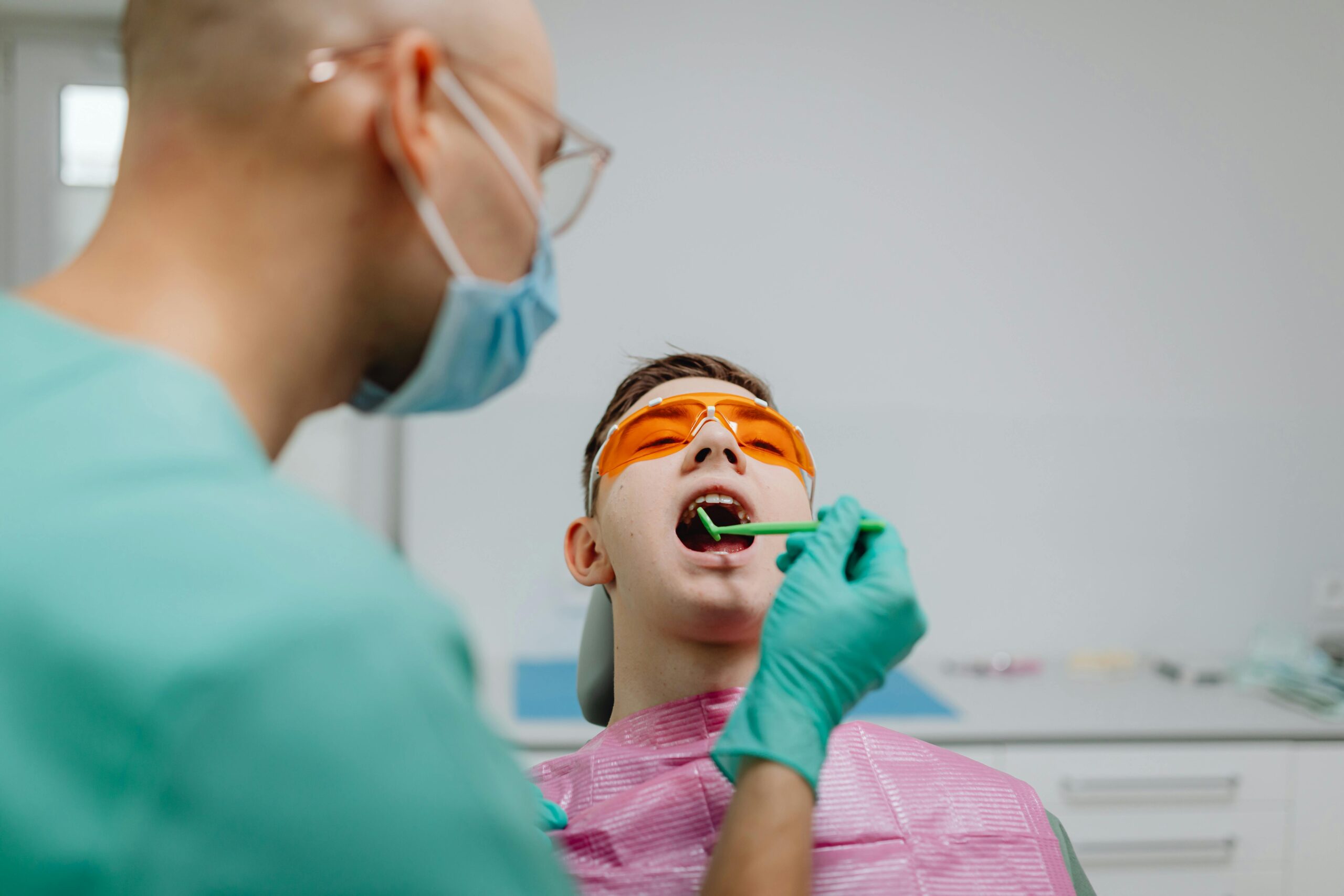
Walking into a new dental office can feel like a small leap of faith. Maybe you moved cities, switched insurance, or finally decided to stop putting off a visit. Whatever brought you in, your first appointment as a new patient is almost always longer and more detailed than a routine checkup. That is a good thing. The dentist is meeting your mouth for the first time, and they want to know you well enough to actually help you.
Here is a straightforward look at what usually happens, why it happens, and how to walk in feeling prepared instead of nervous.
Before the Appointment
Most practices send over paperwork ahead of time, either by email or through an online portal. It looks like a lot, but it is worth doing at home while you have time to think. You will answer questions about your medical history, medications you take, allergies, past surgeries, and any dental work you have had done. If you grind your teeth, have TMJ pain, sleep poorly, or deal with acid reflux, mention it. These all affect your mouth in ways that matter.
If you have records from a previous dentist, ask them to send X-rays and charts to your new office. This saves you from unnecessary imaging and gives the new dentist useful history. Insurance information should be in order before you arrive so the front desk can verify coverage and walk you through any out-of-pocket costs.
Arriving at the Office
Try to show up 10 to 15 minutes early for your first visit. You might need to finish paperwork, and a buffer lets you settle in without feeling rushed. The front desk will check your ID and insurance, and someone will bring you back to the treatment area within a few minutes of your appointment time.
Take a quick look around. A good office feels clean, organized, and welcoming. The team should make eye contact, speak clearly, and be willing to answer any question you have. These small signals tell you a lot about how the rest of your care will go.
The Conversation Before the Cleaning
Before anyone touches your teeth, the hygienist or dentist usually sits down with you to talk. This is the part many offices skip or rush, and it is actually one of the most useful parts of the visit. Expect questions like:
What brought you in today? How do you feel about your smile? Are you in any pain? What is your brushing and flossing routine like? Do you have any sensitivities, clicking in your jaw, or headaches? When was your last cleaning? Any past experiences that made you nervous about the dentist?
Be honest. If you have not flossed in years, say so. If a previous dentist scared you, say so. If you hate the sound of the drill, say so. Your answers shape how the team works with you. A good team will adjust pace, explain more, use numbing gels, or give you breaks based on what you share.
X-rays and Photos
Most new patient exams include a full set of X-rays unless you brought recent ones from another office. This might be a panoramic image that shows your whole jaw, plus smaller bitewing X-rays that show between your teeth where decay loves to hide. Digital X-rays are quick, use a very small amount of radiation, and give your dentist the view they need to spot cavities, bone loss, and other things the naked eye cannot catch.
You may also have intraoral photos taken. These are close-up pictures of each tooth and your gums. They are helpful for tracking changes over time and for showing you exactly what your dentist sees.
The Cleaning Itself
If your gums are healthy, a standard cleaning usually follows. The hygienist uses a combination of hand tools and a small ultrasonic scaler to remove plaque and tartar. The scaler vibrates and sprays water, which can feel strange the first time but is not painful. After scaling, your teeth get polished with a slightly gritty paste that feels like a spa treatment compared to the scaling. Many practices offer flavor choices for the polish.
If your gums are inflamed, bleeding heavily, or showing signs of early gum disease, the hygienist may recommend a different type of cleaning called scaling and root planing. This goes below the gumline to remove bacteria and tartar from the roots. It is usually split across two visits and often done with local anesthetic. It is not the default first visit experience, but it is worth mentioning so you know what it is if the topic comes up.
The Exam
After the cleaning, the dentist comes in and does a thorough exam. They check every tooth for cavities, wear, cracks, and old fillings that need attention. They measure the pockets around your gums to check for early gum disease. They look at your bite and how your teeth come together. They feel under your jaw and around your neck to check your lymph nodes. They examine your tongue, cheeks, and the roof of your mouth for any unusual spots, which is part of an oral cancer screening.
This is the part of the visit where your dentist is building a real picture of your mouth. If you want to see a modern example of how a patient-focused practice handles this kind of thorough review, you can read about the full range of dental services offered at Luka Dental Care, a family practice in London, Ontario that walks new patients through each step.
The Treatment Plan Conversation
At the end of the appointment, the dentist sits down with you again to share what they found. Good dentists speak in plain language, show you the X-rays or photos, and explain your options rather than handing you a list and sending you out the door. If anything is unclear, ask them to slow down or repeat. This is your mouth and your money.
You should walk out with a written treatment plan that lists everything the dentist recommends, how urgent each item is, what it will cost, and what your insurance will cover. Some items will be must-do, like treating an active cavity. Others will be optional, like whitening or cosmetic work. Urgent items usually need to be scheduled within a few weeks. Less pressing items can wait for the next cleaning.
What If Nothing Is Wrong?
Sometimes the whole first visit ends with a clean bill of health. That is a great outcome. The dentist will probably suggest a schedule for future cleanings, usually every six months, and send you home with any brushing or flossing tips that are specific to your mouth. If you are in Chicago and looking for that kind of welcoming first-visit experience, Bite Club’s Wicker Park dental office is a good example of a practice that puts a lot of care into making new patients feel comfortable from the first visit forward.
How to Prepare Like a Pro
If you want to make the most of your first visit, a little prep goes a long way. Brush and floss before you come in, but not so aggressively that your gums are sore. Make a list of questions, no matter how small they feel. Bring a list of your medications, including supplements. Write down anything that has been bothering you, even if it seems unrelated, like jaw popping or morning headaches.
If you have dental anxiety, say so when you book the appointment, not just when you arrive. The office can schedule extra time, and many offer sedation or calming options for anxious patients. Bringing earbuds or a podcast for the cleaning can also help if sounds bother you.
What Happens After
You will probably leave with a toothbrush, floss, and maybe some samples. Your next appointment will be booked based on what was discussed. Keep an eye out for follow-up communications, whether that is a reminder about an upcoming treatment or paperwork to submit to insurance.
If anything felt off during the visit, whether your gums are tender longer than expected or a tooth feels strange, call the office. A good practice wants to know, and they would much rather hear from you early than have you wait.
The Bottom Line
Your first dental exam as a new patient is a chance to start fresh. It is longer than a regular cleaning because the dentist is building a baseline of your oral health and meeting you as a person, not just a mouth in a chair. If the experience is rushed, cold, or hard to understand, trust that instinct and consider looking elsewhere. If it feels thorough, kind, and clear, you have probably found a good home for your dental care.
A first visit is never just about your teeth. It is about finding a team you trust, because dental care is a relationship that plays out over years. A little time spent on that first appointment sets the tone for everything that comes after.