Surgery
How Orthopedic Cold Compression Wraps Support Postoperative Recovery
By Headlines Team
September 2, 2026
Field Notes
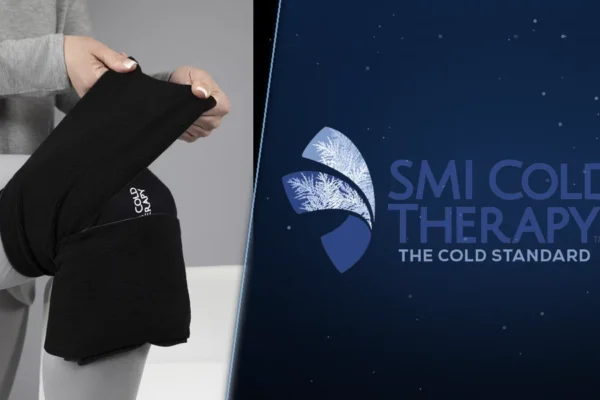
Recovery after orthopedic surgery often includes a combination of rest, prescribed movement, medication, wound care, physical therapy, and strategies for managing swelling and discomfort. Cold therapy is commonly used in that recovery process because cooling can temporarily reduce pain and swelling in the treated area. Compression may also be incorporated to provide gentle pressure around the joint or surgical region.
Orthopedic cold compression wraps combine these two approaches in a form designed to fit specific areas of the body. SMI Cold Therapy offers reusable cold therapy and compression wraps intended for postoperative and orthopedic use.
Why Cold Therapy Is Common After Surgery
Surgery creates a controlled tissue injury, and the body responds with inflammation. Some inflammation is part of normal healing, but swelling and discomfort can make early recovery more difficult. Cold temporarily narrows blood vessels near the surface and can reduce pain.
Patients are often instructed to use cold therapy in scheduled intervals rather than continuously. The surgeon or healthcare team should determine the exact timing because recommendations can vary by procedure, patient, skin sensitivity, circulation, and other medical factors.
The Role of Compression
Compression applies pressure around an area and may help manage swelling. In orthopedic recovery, a wrap that combines cooling and compression can provide more consistent contact than a loose bag of ice.
Fit matters. A wrap should be secure enough to stay in place without being so tight that it causes numbness, tingling, increased pain, discoloration, or other signs of impaired circulation. Patients should follow the product instructions and their clinician’s guidance.
Why Anatomical Fit Matters
A knee, shoulder, ankle, hip, or elbow has a different shape and range of motion. A wrap designed for a particular body area can make it easier to position the cold source where it is needed while maintaining more even contact.
This can be especially useful after surgery when movement may be limited. A reusable wrap that is easy to apply can help patients follow a home recovery routine more consistently.
Cold Therapy Versus a Basic Ice Pack
Traditional ice packs can be effective, but they may shift, leak, or provide uneven contact around a curved joint. A purpose-designed wrap can hold the cooling material closer to the treatment area and may help the patient stay more comfortable while resting.
The right option depends on the procedure, clinician instructions, budget, and personal preference. Patients should never assume that more intense or longer cooling is better. Excessive cold can injure skin or tissue.
Use Cold Therapy Safely
Patients should protect the skin as directed and check the treatment area regularly. Generally, do not use cold therapy over areas with impaired sensation without medical guidance, because the patient may not recognize excessive cooling.
Stop and contact a healthcare professional if the skin becomes unusually pale, blue, blistered, or severely painful, or if the patient experiences concerning numbness or circulation changes. Anyone with vascular disease, neuropathy, diabetes-related sensation problems, or other relevant medical conditions should ask a clinician before using cold therapy.
Make Cold Therapy Part of the Larger Recovery Plan
Cold compression is not a replacement for medical care, prescribed exercises, medications, or rehabilitation. It is one tool within a broader postoperative plan. Patients should follow weight-bearing restrictions, wound-care instructions, physical therapy recommendations, and medication directions from their healthcare team.
As recovery progresses, cold therapy may play a different role. Some patients use it most frequently during the first days after surgery and later after physical therapy or activity. A surgeon or therapist can guide use based on swelling, pain, and healing progress.
Convenience Can Support Consistency
Recovery routines are easier to follow when the equipment is simple to prepare and apply. Reusable cold therapy wraps can be stored and used repeatedly, which may make them more practical than constantly preparing loose ice.
Patients should inspect reusable wraps for damage and follow cleaning and storage instructions. Keeping the wrap ready can make it easier to use cold therapy when recommended.
SMI Cold Therapy provides orthopedic cold compression wraps for postoperative recovery. Patients considering a cold therapy wrap should choose the appropriate body-area design and use it according to medical guidance and product instructions.
Preparing a Cold Therapy Routine at Home
Before surgery, patients may find it helpful to discuss postoperative cold therapy with the care team and prepare the recovery area in advance. If you will use a cold compression wrap, confirm which body-area design is appropriate, how to chill the wrap, how long each application should last, and whether to place a barrier between the cold surface and the skin. Written instructions can be useful when medications, fatigue, and discomfort make it harder to remember details after the procedure.
A comfortable recovery setup can make consistent use easier. Patients may want pillows for elevation, a timer, an accessible place to store the wrap, and an extra fabric barrier if recommended. If the wrap requires refrigeration or freezing, plan how you will rotate it and return it to the cooling area to reduce unnecessary movement during the first days of recovery.
It is also important to distinguish normal postoperative discomfort from symptoms that require medical attention. Cold therapy may temporarily reduce pain and swelling, but it should not be used to ignore worsening symptoms. Increasing redness, drainage, fever, unexpected swelling, severe calf pain, shortness of breath, or other concerning changes should be reported according to the surgeon’s instructions. Patients should never delay contacting their healthcare team simply because cooling provides temporary relief.
As mobility improves, patients may use cold compression after rehabilitation exercises or periods of increased activity rather than on the same schedule used immediately after surgery. Recovery is dynamic, and the most appropriate routine can change over time. Following clinician guidance helps ensure that cold therapy remains a supportive tool within the larger rehabilitation plan.